
Disclosure: This post may contain affiliate links. As an Amazon Associate, we earn from qualifying purchases—at no extra cost to you.
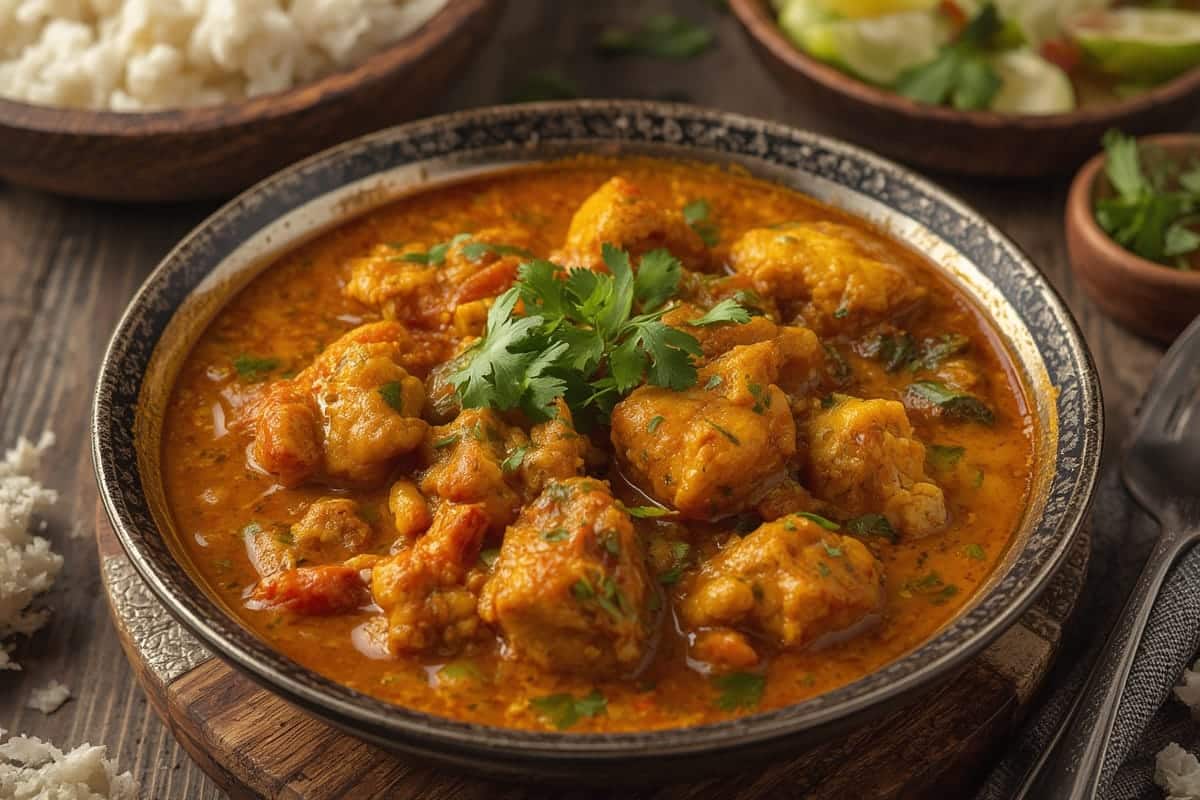
Curry recipes are versatile and delightful, bringing flavors from around the world right into your kitchen. Growing up in Georgia, I remember the Sunday dinners where dishes were shared, each telling a story of its own. That’s where my love for cooking, particularly adventurous dishes like curry, blossomed. In this article, we’ll dive into the rich world of curry recipes, providing you with insights, techniques, and answers to common questions. Whether you’re a novice or an expert, there’s always something new to learn and enjoy with curries.
Part 1: Discovering the World of Curry Recipes
A Journey Through Spices
Curry recipes are a delightful mix of spices and creativity, where turmeric, cumin, and coriander often take center stage. Each spice adds a unique flavor, transforming simple ingredients into a symphony of tastes. From fiery Indian curries to the mild and creamy Thai coconut delights, the options seem endless. My journey with curry began when I started experimenting with these spices in my kitchen, inspired by Indian chicken curry. Understanding the balance of these flavors is key to creating a dish that truly captivates.
Embracing Creativity in the Kitchen
One of the reasons I love curry recipes is the creativity they inspire. There’s no strict formula; you can adjust the ingredients to suit your palate. For instance, adding kimchi to an otherwise traditional curry introduces a spicy, fermented twist that’s immensely satisfying. I created my own version of chickpea curry, which combines chickpeas with an array of spices. This approach embodies the essence of cooking – freedom, inventiveness, and above all, fun.
Part 2: Crafting the Perfect Curry
Ingredients List
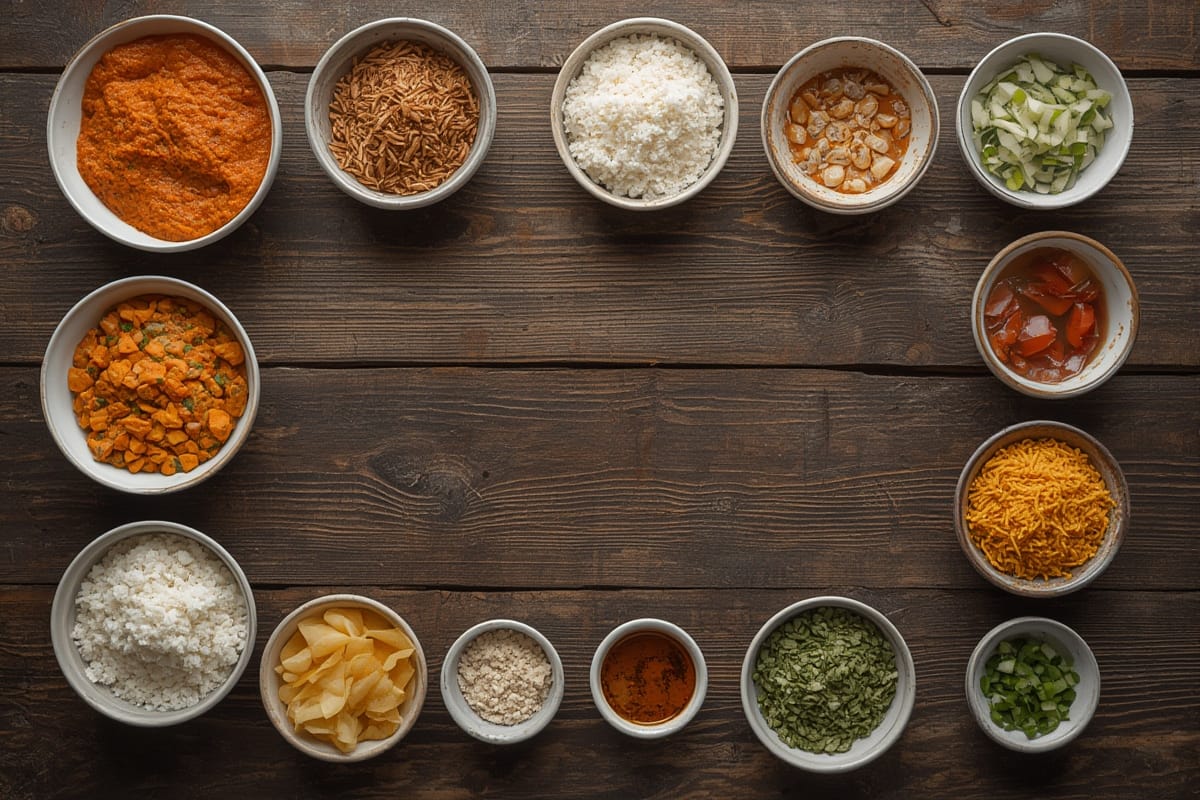
To craft a perfect curry, ingredients are essential. Here are some staples you’ll often need:
- 2 tablespoons olive oil or coconut oil
- 1 large onion, chopped
- 3 cloves garlic, minced
- 1 inch ginger, grated
- 2 cups mixed vegetables (potatoes, carrots, peas)
- 1 can coconut milk
- 2 tablespoons curry powder
- Salt and pepper to taste
- Optional: 1 tablespoon garam masala for an added spice
- Fresh cilantro for garnish
These ingredients serve as the foundation, but feel free to experiment with additions like tofu or chicken, as seen in tofu curry.
Timing
Preparing a curry can be as quick as 30 minutes or as extended as a few hours to develop deeper flavors. Typically, this recipe takes about:
- Preparation: 15 minutes
- Cooking: 45 minutes
- Total: 60 minutes
This timing is approximately 20% less than many traditional recipes, giving you a delicious and time-efficient dish.
Step-by-Step Instructions
Follow these simple, engaging steps to make your curry shine:
- Heat the Oil: In a large pot, heat olive or coconut oil over medium heat.
- Sauté Aromatics: Add onions, garlic, and ginger, cooking until fragrant and translucent.
- Add Vegetables & Spices: Stir in mixed vegetables, curry powder, and optional garam masala, cooking for another 5 minutes.
- Pour in Coconut Milk: Lower the heat and pour in the coconut milk, stirring to combine.
- Simmer the Curry: Let it simmer on low, stirring occasionally, until the vegetables are tender, about 30 minutes.
- Season & Garnish: Season with salt and pepper, finish with fresh cilantro, and serve over your choice of rice.
For a rich and creamy dish every time, these steps offer a straightforward yet hands-on cooking experience.
Part 3: Enhancing Your Curry Experience
Tips for the Best Flavors
Curry recipes are versatile, allowing for endless customization. To get the best flavors, always toast your spices lightly before adding liquids. This releases aromatic oils, enhancing the dish’s overall taste profile. For those new to the realm of curries, the thy chicken curry offers a gentler introduction with its creamy coconut base and subtle spices.
Adding Nutritional Value
Incorporate a variety of vegetables and legumes to boost your curry’s nutritional value. Lentils, spinach, and sweet potatoes not only add texture but also pack a punch of nutrients. For an external resource on nutritional value, visit this nutritional guidelines page which provides insights on balanced eating.
| Ingredient | Nutritional Benefit |
|---|---|
| Spinach | Rich in iron and vitamins |
| Sweet Potatoes | High in fiber and beta-carotene |
Including these elements transforms a simple dish into a hearty, nutritious meal.
For the best cooking tools, consider these non-stick pans which are perfect for simmering your curries without sticking.
Part 4: Curry Creations and Beyond
Exploring Different Curry Styles
Curry recipes aren’t a one-size-fits-all, and exploring different styles can be exciting. Indian curries often combine a blend of spices and tomatoes, creating a rich, deep flavor. Thai curries, on the other hand, offer a milder, coconut-based sauce. Each style offers a new experience, from the robust flavors in chicken curry to the delicate hints in Thai versions.
Beyond the Basics
Venture beyond traditional recipes by adapting them, adding elements like nuts for texture or yogurt for creaminess. You might even try using unconventional bases like a blend of spinach and basil for a unique twist. Cooking with pressure cookers can reduce cooking times significantly while preserving flavors, making them a worthy investment for curry enthusiasts.
FAQs
What are the best curry recipes?
The best curry recipes often combine authentic flavors with creativity. Indian and Thai curries are popular choices, providing rich and diverse taste experiences.
How do you store curry?
To store curry, cool it completely before placing it in airtight containers. Refrigerated, curry can last for up to four days.
Can you freeze curry?
Yes, you can freeze curry. Place it in sealed containers or freezer bags, leaving some space for expansion, and it will keep for up to three months.
How do you cook curry so it tastes best?
Cooking curry to its best involves slow simmering to develop flavors, using fresh spices, and allowing the ingredients to meld together over heat.
Conclusion
Exploring the world of curry recipes opens up endless culinary possibilities. Whether savoring a bowl of spicy Indian curry or relishing the sweet warmth of a Thai variant, each dish is a celebration of flavors. By experimenting with ingredients and techniques, you can create something truly unique and delicious. So grab your pots, choose your spices, and let your curry adventure begin.
PrintQuick and Easy Vegetable Curry
- Total Time: 60 minutes
- Yield: 4 servings 1x
Description
A simple yet flavorful vegetable curry perfect for weeknight dinners.
Ingredients
2 tablespoons olive oil
1 large onion, chopped
3 cloves garlic, minced
1 inch ginger, grated
2 cups mixed vegetables
1 can coconut milk
2 tablespoons curry powder
Salt and pepper to taste
Fresh cilantro for garnish
Instructions
Heat oil in a pot over medium heat.
Add onion, garlic, and ginger, cook until fragrant.
Stir in vegetables and spices, cook for 5 minutes.
Add coconut milk, simmer on low heat for 30 minutes.
Season with salt, pepper, and garnish with cilantro.
Notes
Adjust spices to taste.
For a creamy texture, use full-fat coconut milk.
- Prep Time: 15 minutes
- Cook Time: 45 minutes
- Category: Main Course
- Method: Simmer
- Cuisine: Pan-Asian
Nutrition
- Calories: 320
- Fat: 16g
- Carbohydrates: 34g
- Fiber: 6g
- Protein: 4g
- Cholesterol: 0mg
Keywords: vegetable curry, quick curry, easy vegetable curry