
Disclosure: This post may contain affiliate links. As an Amazon Associate, we earn from qualifying purchases—at no extra cost to you.
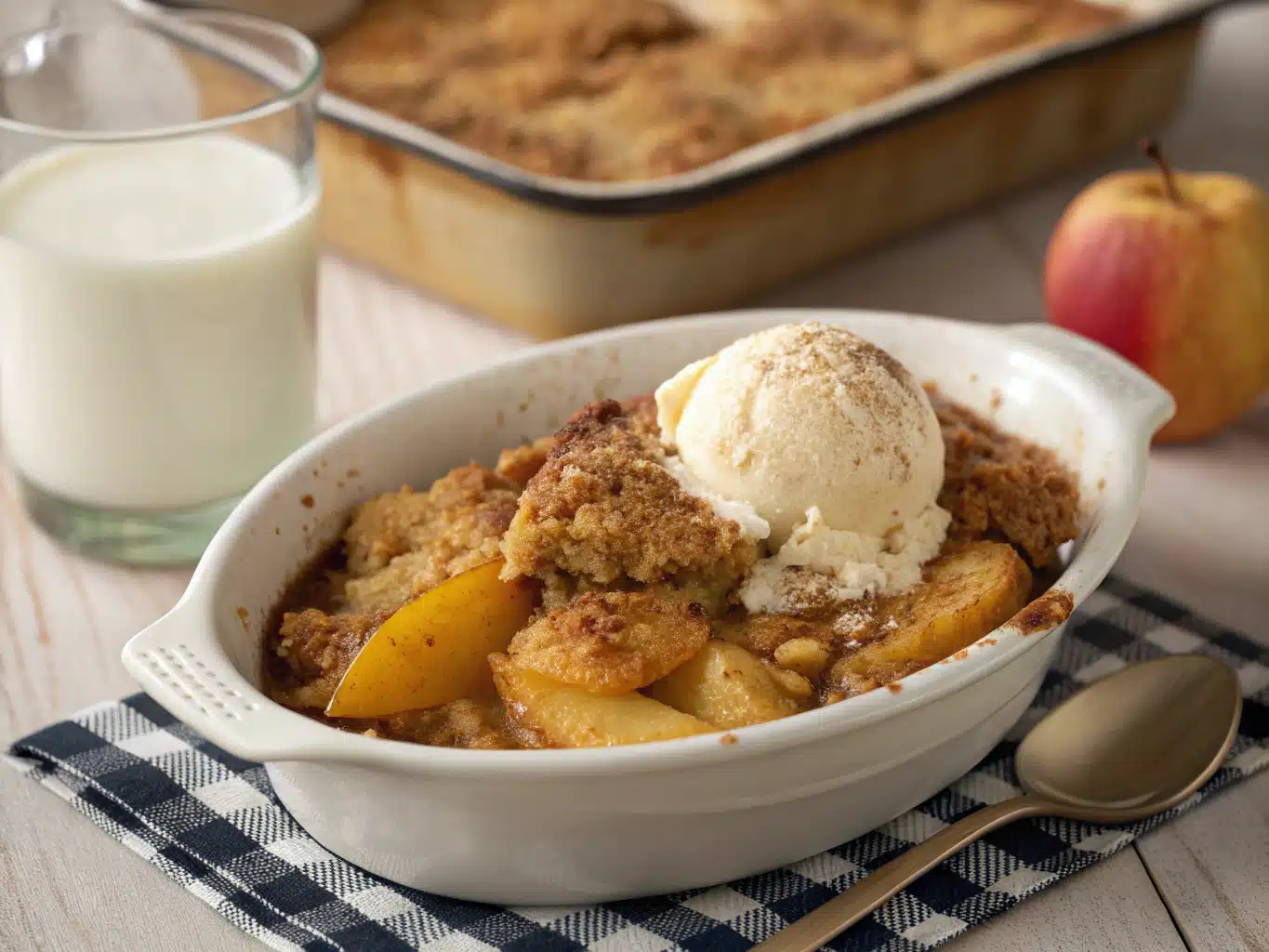
Few desserts evoke home like a warm, bubbling apple cobbler fresh out of the oven. In this guide, we’ll explore how to create the perfect apple cobbler—from choosing the right apples to avoiding common baking pitfalls. We’ll also dive into the best ingredients, step-by-step instructions, and helpful tips to make your cobbler pop with Southern charm and bold flavor. Whether you’re a cobbler newbie or a seasoned baker, you’ll walk away with everything you need to master this beloved dessert.
A Memory Baked into Every Bite
From Sunday Dinners to Everyday Cravings
Growing up in Georgia, I could always count on someone bringing an apple cobbler to Sunday supper. My aunt Millie made the kind of cobbler that blanketed the house in cinnamon sugar aroma, its golden crust bubbling over with tart-sweet apples. I watched her bring it all together with simple ingredients and a whole lot of heart. Years later, living in Austin and spending endless hours experimenting in my kitchen, that memory guided me back to cobbler—but with a few fun twists.
Apple cobbler isn’t just dessert—it’s an edible hug. It’s my go-to when the weather cools down or when I’ve got too many apples piling up on the counter. It’s nostalgic, but flexible enough to handle whatever I’ve got on hand: an extra handful of oats, a splash of apple vinegar, or even a touch of ginger for drama. It’s never the same twice—but it’s always delicious.
Why Apple Cobbler Still Wins Fans
There’s just something about apple cobbler. It’s not flashy. It doesn’t need layers of frosting or intricate swirls. What it brings to the table is warmth, comfort, and an irresistible texture mashup—soft, jammy fruit under a cloud of biscuit or cake-like topping. Compared to apple crisp, which uses a crumbly oat-based topping, apple cobbler delivers a richer, more substantial bite that feels like dessert and dinner-roll hybrid— in the best way.
These days, I love riffing on tradition, whether it’s rendering down apples with chai spices or sneaking in pecans for added crunch. And, hey, if you’ve got extra apples after your cobbler, why not try something extra like these apple fritters or this cinnamon-apple bread? But today, we’re bringing it back to the roots and baking the ultimate homemade apple cobbler—just like Aunt Millie, only with a Raymond twist.
How to Make the Perfect Apple Cobbler
Key Ingredients and Easy Substitutions
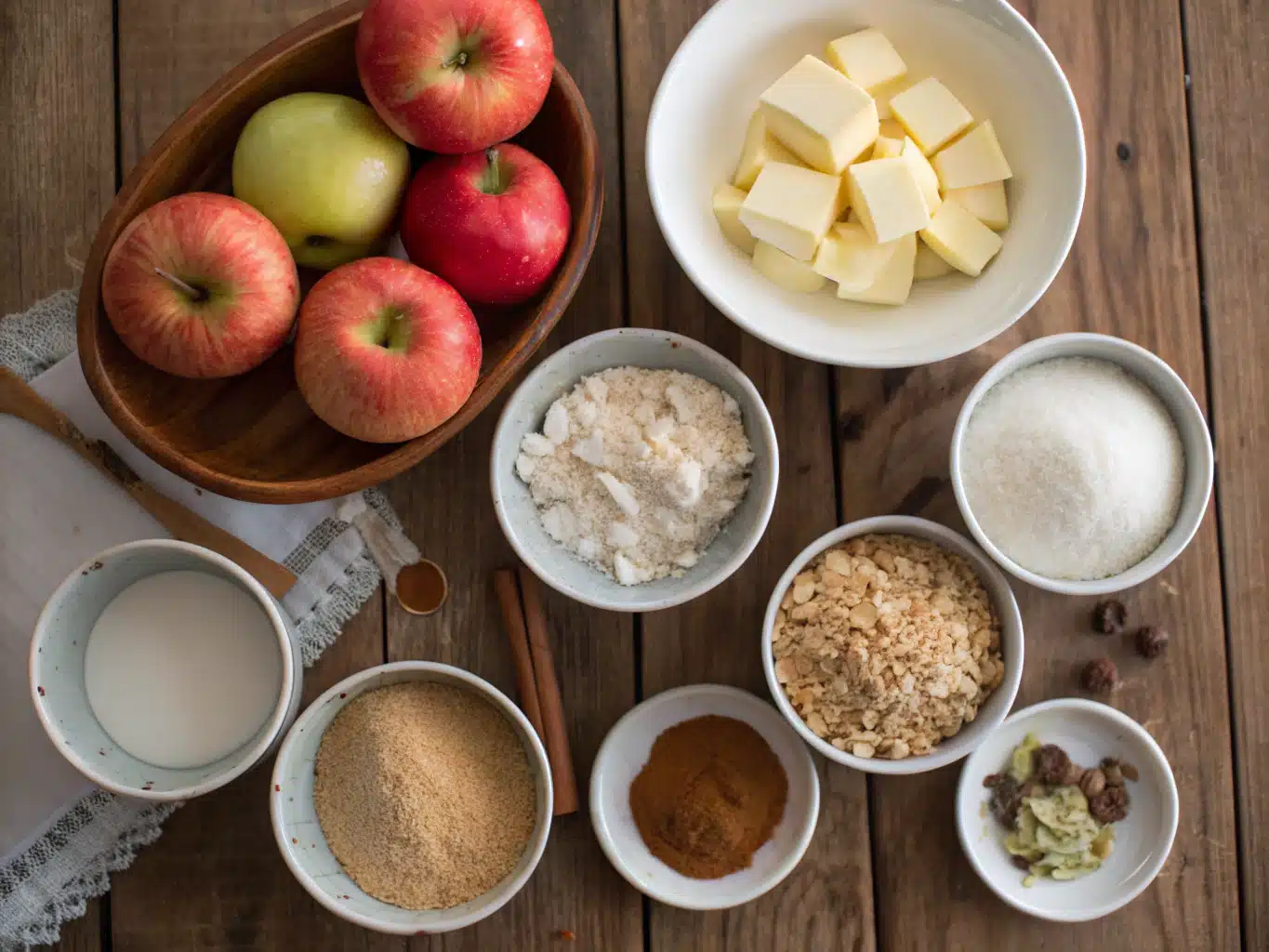
Your apple cobbler is only as good as what you put into it. Here’s my go-to list with flexible tweaks depending on what’s in your pantry.
| Ingredient | Substitution Idea |
|---|---|
| 6 cups peeled, sliced apples (Granny Smith preferred) | Honeycrisp, Fuji, or a mix for added depth |
| 1/2 cup granulated sugar | Maple syrup or coconut sugar |
| 1/2 tsp cinnamon | Pumpkin pie spice or chai masala |
| 1 tbsp lemon juice | Apple cider vinegar in a pinch |
| 1 cup all-purpose flour | Gluten-free flour blend |
| 1/2 cup butter, melted | Coconut oil or vegan butter |
| 1 tsp baking powder | Ensure freshness for a fluffy topping |
I’ve even tossed chopped apple donuts into the batter once for a wild spin—and guess what? It worked.
Cobbler Timing & Tips
Apple cobbler doesn’t take forever, and it’s worth every minute. Here’s the full timeline:
| Stage | Time |
|---|---|
| Prep Apples & Batter | 15 minutes |
| Assemble & Bake | 45 minutes |
| Cool Slightly | 15 minutes |
| Total Time | ~75 minutes |
That’s about 20% quicker than many layered desserts and twice as soul-satisfying.
Instructions to Bring It All Together
- Preheat oven to 375°F. Butter a 9×13″ baking dish.
- In a bowl, toss apples with lemon juice, 1/4 cup sugar, cinnamon, and a pinch of salt. Let sit 10 minutes.
- In another bowl, whisk flour, remaining sugar, baking powder, and milk until smooth. Stir in melted butter gently.
- Pour batter into pan. Spoon apples (and their juices!) evenly on top without stirring.
- Bake for 45 minutes until deep golden and bubbling. A toothpick in the topping should come out clean.
- Let cool at least 15 minutes. Serve with vanilla ice cream or, if you’re wild like me, a dollop of whipped mascarpone.
For apple fans, pairing this with a caramel apple dip on the side makes dessert feel like a true celebration.
Why Your Apple Cobbler Might Flop—And How to Prevent It
Common Mistakes to Avoid
Even seasoned bakers can fumble cobbler. Here’s where things often go sideways:
- Using apples that break down too much (like Red Delicious). Stick to firm varieties.
- Overmixing the batter, which could lead to a tough or doughy crust.
- Leaving out acid (lemon juice or vinegar). That zing balances the sugar.
- Skipping cool down time. Hot cobbler may taste watery straight out of the oven.
Interestingly, according to the Produce for Better Health Foundation, apples retain more nutrients when cooked gently—so cobbler can actually be a better-for-you treat than some expect.
Juicy Cobbler Secrets
Want that luscious, gooey center and golden topping? Here’s what I swear by:
- Macerate the apples (let them sit in sugar and spice) for at least 10 minutes to pull out natural juices.
- Don’t stir the batter; pour it first then add the fruit on top. The magic unfolds in the oven.
- Bake uncovered. The topping forms its crust better with direct heat.
- Let your cobbler sit for at least 15 minutes so the juices can thicken.
If you’re short on apples? You can even blend in leftovers from these apple pancakes or cut up slices from a viral apple cake to jazz up the filling.
Making Apple Cobbler Your Own: Creative Mix-Ins & Seasonal Swaps
Flavor Upgrades
Traditionalists might scoff, but cooking is about play—not just precision. Here are a few bold moves I’ve tested:
- Replace half the apples with pears or peaches in spring.
- Mix crushed pecans or oats into the topping for extra crunch.
- Toss in cranberries during Thanksgiving or include cinnamon chips near Christmas.
You can also make protein-dessert hybrids—like adding mashed banana and rolled oats into the batter for a nod to apple pie magic cookies.
Serving Suggestions for Every Mood
Cobbler can swing upscale or downhome depending on presentation:
- Keeping it simple? Just a scoop of vanilla bean ice cream.
- Weekend brunch mood? Top your cobbler with Greek yogurt and maple syrup drizzle.
- Fancy dinner party? Spoon into ramekins and crown with crème fraîche and granola crumbles.
There’s no “wrong” way to serve apple cobbler—unless, of course, you forget to make enough for seconds.
Frequently Asked Questions
What’s the difference between apple crisp and apple cobbler?
Apple crisp typically has a crumbly, oat-based topping, while apple cobbler features a thicker, biscuit or cake-like topping. Both highlight baked apples, but the textures are very different.
What are the ingredients for apple cobbler?
The basic ingredients include sliced apples, flour, sugar, cinnamon, baking powder, butter, and milk. Optional add-ins like lemon juice, nutmeg, or vanilla give it extra depth.
What’s the secret to a juicy cobbler?
Letting the apples rest in sugar and spice before baking (macerating) helps draw out the juices. Also, layering the batter and fruit properly—fruit on top, no stirring—ensures the juices soak into the cobbler without turning it soggy.
What are common cobbler mistakes?
Using apples that get too mushy, overmixing the batter, skipping acid (like lemon juice), and not allowing the cobbler to rest after baking are all frequent errors.
Conclusion: Reconnect through Cobbler
There’s something beautifully grounding about apple cobbler. It’s humble, hearty, and invites togetherness—not just around the table, but in the kitchen too. It’s why I keep coming back to it, tweaking it, and sharing it. Try it once, and it might just become your go-to recipe too. No matter the season or occasion, having a reliable, comforting dessert like this in your back pocket makes every meal feel like home.
Now, roll up those sleeves, prep your apples, and let the aroma of cinnamon and baked fruit fill your space. Cobbler’s calling.