Disclosure: This post may contain affiliate links. As an Amazon Associate, we earn from qualifying purchases—at no extra cost to you.
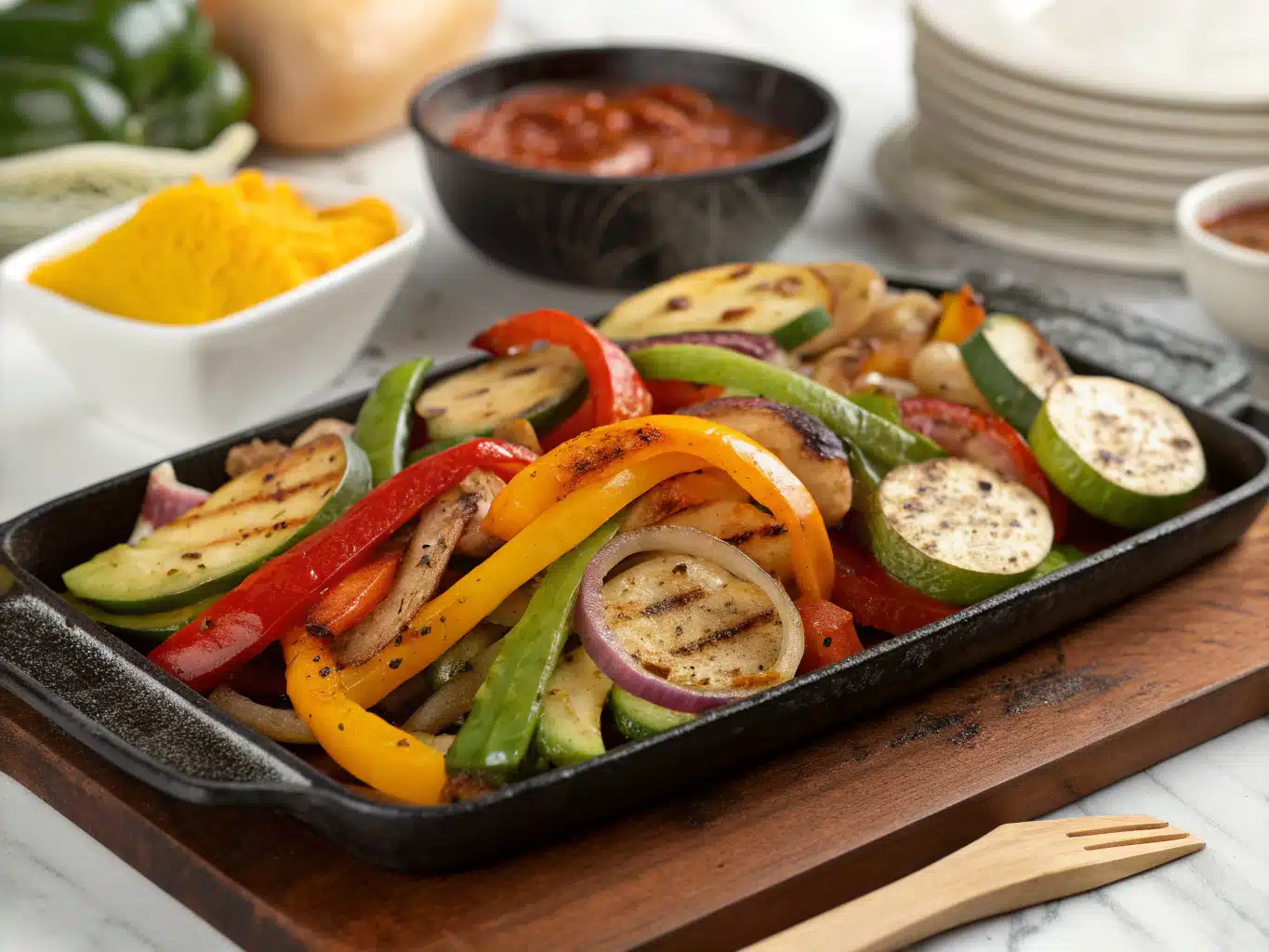
If there’s one thing I learned growing up in Georgia, it’s that food has a voice. Every Sunday, my family gathered around the dinner table, each dish humming its own tune. The potluck centerpiece? Colorful fajita veggies sizzling hot in a cast iron pan, singing with spices and filling the air with flavor. Back then, they weren’t just peppers and onions. They were memories wrapped in warmth.
Even now, in my Austin kitchen, fajita veggies remain a go-to in my cooking—versatile, bold, and endlessly customizable. Which is exactly why I’m diving into this hearty guide. Whether you’re layering them into tacos, piling them on burrito bowls, or scooping them off a sizzling platter with a fork (guilty!), these veggies deliver flavor and flair.
In this guide, you’ll learn how to prep perfect fajita veggies, how to customize them to your taste, why a cast iron skillet is your best friend, plus brilliant uses and flavored upgrades. We’ll walk through ingredients and effortless technique, then wrap it all with bonus FAQs. Pull up a chair—let’s get cooking.
The Legacy of Fajita Veggies
How Southern Roots Taught Me to Love Fajita Veggies
I’ll never forget the first time I heard the sizzle of fajita veggies in a market in San Antonio. I was only fifteen, still fresh from Georgia and used to collard greens and gravy. But these peppers—red, yellow, orange, all char-kissed and glistening—spoke a new language. They were bold, aromatic, and dancing with heat. That’s when I fell in love.
What makes fajita veggies so special? They’re more than a side dish; they’re a celebration of heat, texture, and color. Whether tucked into tacos or topping off a rice bowl, these veggies carry the same soul-warming purpose they did back home—bringing people together, one delicious bite at a time.
Why Everyone Needs Fajita Veggies in Their Weekly Menu
One of the first dishes I taught my grandkids to make was—you guessed it—fajita veggies. Why? Because they’re approachable and extraordinarily forgiving. Got a soft bell pepper? Cook it. Low on spice? Adjust it. Can’t find a yellow onion? Red will do. Fajita veggies are perfect for weeknights or celebrations.
They’re also incredibly versatile. Pile them into a chicken bowl, fold them into quesadillas, or pair them with steak bites for a hearty protein crunch. No matter how you use them, fajita veggies add color, flavor, and originality to everyday meals.
Perfecting Fajita Veggies: Ingredients, Timing & The Method
Ingredient Playground: What Goes In the Pan
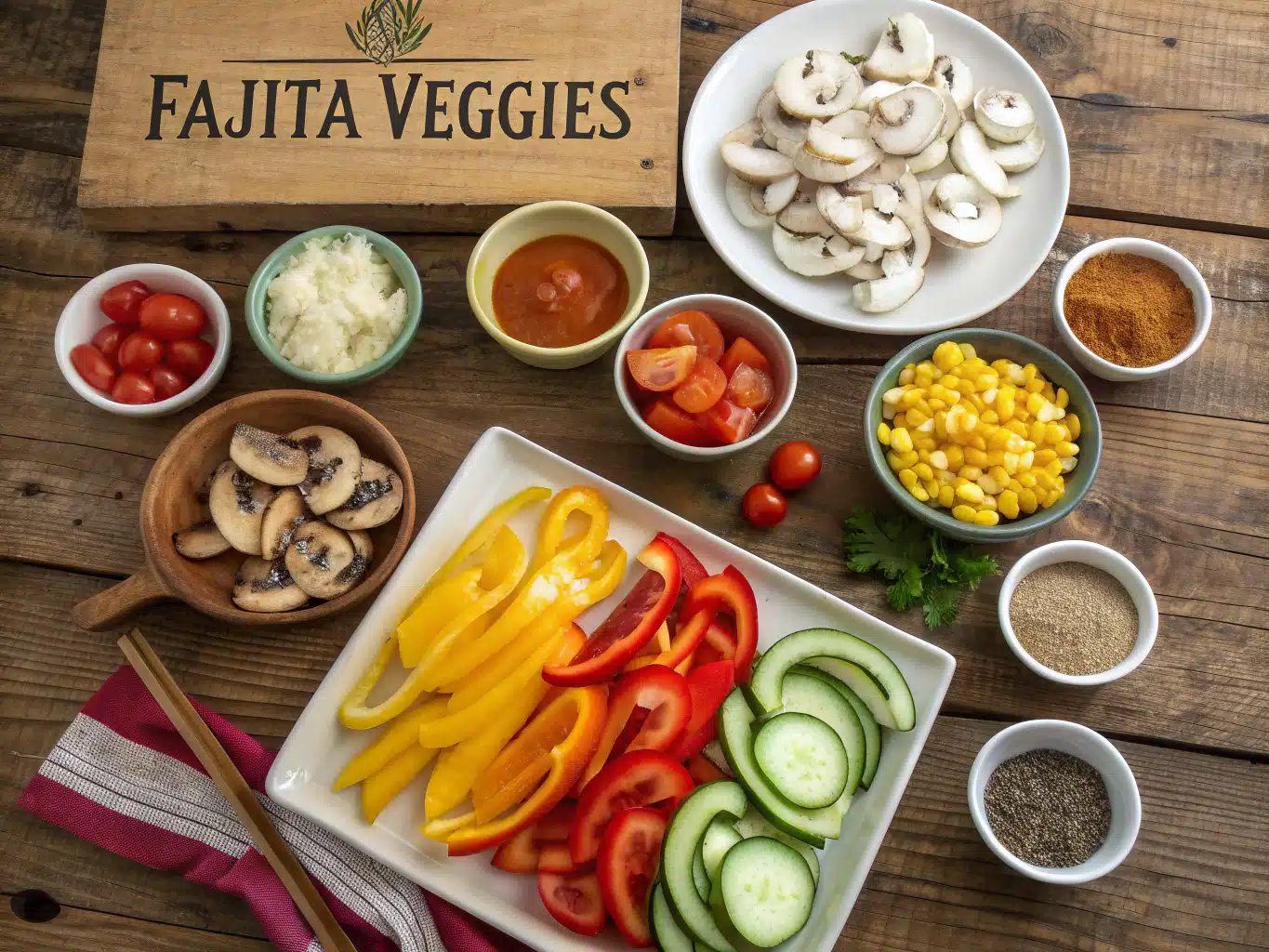
Ready to make magic happen? Let’s look inside the produce drawer and line up the team:
Ingredient
Substitutes & Notes
Red, Yellow, and Green Bell Peppers
Use mini sweet peppers or Anaheim peppers for added spice
Red Onion
White or yellow onion works fine; shallots for a sweeter edge
Garlic (minced or sliced)
Garlic powder in a pinch (but fresh is magic)
Olive Oil
Avocado or sunflower oil for high-heat cooking
Fajita-Style Seasoning
Smoked paprika, cumin, chili powder, lime zest, black pepper
Don’t forget a hit of lime juice to brighten everything up. And honestly, a little sea salt brings it all to life.
Prep Time vs Cook Time: Keep It Simple
Let’s break down your time, pan-to-plate. On your busiest weeknight, this recipe comes through.
Prep: 10–15 mins (just slicing and seasoning) Cook: 12–15 mins on medium-high heat Total Time: About 25–30 mins
That’s roughly 20% faster than most roasted veggie recipes. For comparison, my sheet pan chicken meal clocks in around 40 minutes.
Step-by-Step: How to Cook the Ultimate Fajita Veggies
Skip the guesswork and cook like a pro:
Preheat a large cast iron or sauté pan over medium-high heat. Add a tablespoon of olive oil once hot.
Toss your chopped peppers and onions in fajita seasoning, then add them to the hot pan. Let them sit without moving for two minutes to char.
Stir and sauté another 5–6 minutes, adjusting heat if needed. You want softened edges with a tender bite.
Add garlic last. Stir until fragrant—about 30 seconds—then squeeze lime juice over the top.
Taste and season with salt. Serve immediately.
Cooking tip: Craving crunchier veggies? Pull them early. Want them sweeter and softer? Let ’em go a full 15 minutes.
Fajita Veggie Upgrades & Customizations
Should You Marinate Your Fajita Veggies?
Let’s bust a myth. Do you need to marinate fajita veggies?
Not necessarily—but it can work wonders. A light marinade made of lime juice, olive oil, garlic, and spice (even a splash of orange juice or vinegar) adds a kick. I marinate mine when I want deeper flavor, like when I’m layering them into cilantro chicken tacos.
Just don’t go overboard. Marinating for 15–20 minutes is plenty. Too long, and your veggies may lose that signature sizzle on the skillet.
According to Nutrition.gov, lightly marinating vegetables before cooking may help with nutrient retention when using high heat—bonus!
Creative Combos: Add-Ins That Change the Game
Want to give your fajita veggies a twist? Try tossing in:
Mushrooms (Portobellos or shiitake)
Zucchini or yellow squash coins
Thin asparagus
Roasted broccoli for texture (check out this roasted broccoli recipe for tips!)
The goal is texture contrast. Think smooth zucchini, crisp peppers, and deep umami mushrooms. You’ll redefine what fajita veggies mean on your dinner table.
—
How to Serve & Store Fajita Veggies
Toppings That Make Fajita Veggies Pop
Layering your veggies into tacos or bowls? Don’t stop there. Great fajita toppings turn a good meal spectacular.
Consider: shredded cotija or pepper jack cheese, sour cream (or crema), avocado slices, jalapeños, fresh cilantro, pico de gallo, and a dramatic squeeze of lime.
If you’re feeling bold, try kimchi for a punch of acidity—it’s how I convert lunch leftovers into a spicy fusion taco experience. Works especially well with fajita steak or tofu.
Burrito bowl, wrap, or open-faced tostada—your veggies deserve the full flavor show.
Best Ways to Store & Reheat Leftover Fajita Veggies
Storage makes meal prep with fajita veggies a total breeze.
Let them cool to room temp first. Then transfer to an airtight glass container and refrigerate for up to 4 days. Avoid plastic lids that trap condensation.
Reheat tricks:
Skillet > microwave: Sear them in a small pan for that reheated char.
Add a splash of broth or water to revive moisture.
Eat cold! Seriously—folded into leftover rice or tucked into a wrap, they’re still magic.
And if there’s something irresistibly cozy about warming up a mix of deeply flavored fajita veggies on a rainy evening, I won’t argue. It hits home every time.
FAQs About Fajita Veggies
What vegetables do you put in fajitas?
Classic fajitas use a mix of bell peppers (red, yellow, green) and onions. You can also throw in mushrooms, zucchini, and even roasted carrots to customize.
What’s the secret to flavorful fajita veggies?
Use high heat for that signature sizzle, don’t overcrowd the pan, season boldly, and finish with lime juice for brightness. A quick marinade can enhance depth too.
What are typical fajita toppings?
Sour cream, cheese, avocado, salsa, jalapeños, beans, and cilantro all pair beautifully alongside fajita veggies.
Should fajita veggies be marinated?
You don’t have to, but a short marinade—15-20 minutes—can deepen flavor, especially for grilled or oven-roasted versions.
Conclusion: Let the Sizzle Speak
There’s something deeply satisfying about turning a handful of humble veggies into a dish so soulful it can anchor your meal. Fajita veggies aren’t a sidekick—they’re the main act when done right. Whether you’re tossing them into a wrap, piling them on a bowl, or eating them straight from the pan, their versatility and bold flavor are always welcome.
Every time I cook them, I’m reminded of my roots, my family, and the unique places food can take us. And now it’s your turn to enjoy the sizzle. Fire up that skillet and let those fajita veggies sing.
Bold, colorful, and irresistibly smoky, these sizzling fajita veggies are the ultimate quick-and-easy side or main. Perfect for tacos, bowls, or straight from the pan—this recipe brings the Tex-Mex magic.
Ingredients
Red, Yellow, and Green Bell Peppers
Red Onion
Garlic (minced or sliced)
Olive Oil
Fajita-Style Seasoning (smoked paprika, cumin, chili powder, lime zest, black pepper)
Lime Juice
Sea Salt
Instructions
1. Preheat a large cast iron or sauté pan over medium-high heat. Add olive oil once hot.
2. Toss chopped peppers and onions in fajita seasoning, then add to the pan. Let them sit undisturbed for 2 minutes to char.
3. Stir and sauté another 5–6 minutes until tender with charred edges.
4. Add garlic last and stir for about 30 seconds until fragrant.
5. Finish with a squeeze of lime juice and season with salt. Serve immediately.
Notes
Marinate your veggies for 15–20 minutes in lime juice, oil, and spices for extra depth.
Great add-ins: mushrooms, zucchini, roasted carrots, asparagus, or broccoli.
Store in an airtight container up to 4 days. Reheat in skillet for best texture or enjoy cold in wraps and bowls.