
Disclosure: This post may contain affiliate links. As an Amazon Associate, we earn from qualifying purchases—at no extra cost to you.
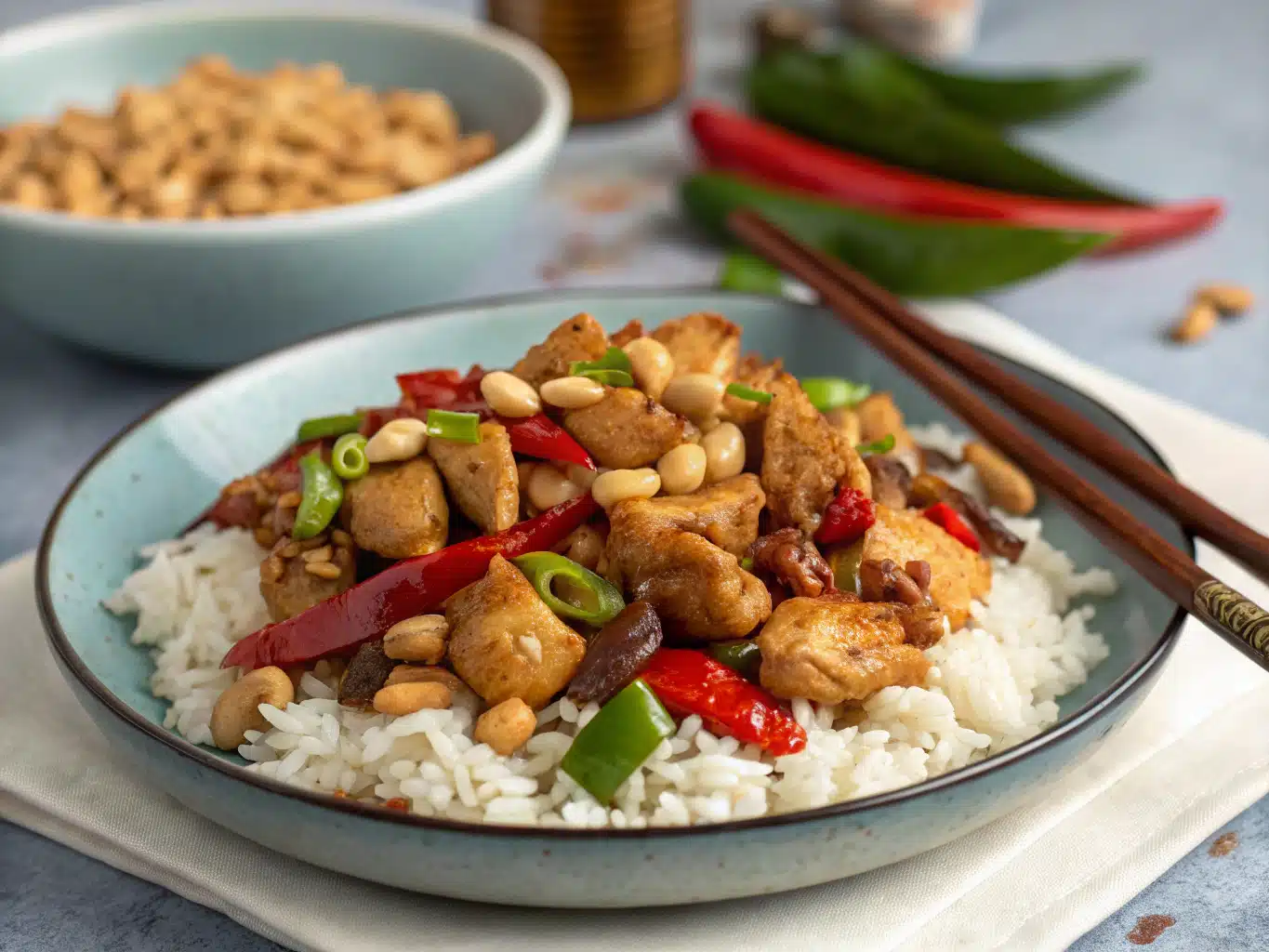
Kung Pao chicken might be a household name now, but for me, it didn’t really strike a chord until a summer in my late twenties when I visited Chinatown in San Francisco. I’d been working crazy hours on the line at a fine dining spot, and I just needed comfort food—something loud, colorful, with a little crunch and a whole lotta heart. That first bite of sizzling Kung Pao was unforgettable: crispy chicken, roasted peanuts, tangy sauce with a whisper of heat. It reminded me of the bold flavors I grew up on but with a twist of something faraway and fascinating.
As a chef steeped in Southern roots but addicted to flavor exploration, Kung Pao felt like culinary chemistry. A little sweet, a little spicy, crispy yet saucy—it’s the dish that pulls no punches. If you’ve ever wondered how to bring that restaurant magic home without diving into complicated methods or hard-to-find ingredients, you’re in the right place. We’re gonna dig deep into what makes Kung Pao special and how to make it sing in your own kitchen.
By the end of this article, you’ll know exactly what’s in Kung Pao, how it compares to dishes like Szechuan chicken or General Tso’s, when you can use shortcuts, and how to nail its distinctive flavor every single time. Plus, I’ll throw in some ideas on how to mash it up creatively, as well as where it fits alongside favorites like sesame chicken or orange chicken. Let’s get into it.
From Takeout Favorite to Flavor Classic
What is Kung Pao Made Of?
At its core, Kung Pao is a Sichuan-born dish traditionally made with diced chicken, dried chili peppers, peanuts, and a signature sauce that delivers sweet, sour, and spicy notes simultaneously. It’s a brilliant balance of texture: the chicken should be crisp on the outside while tender inside, the peanuts toasty and nutty, and the veggies slightly blistered but crunchy. The magic, though, lies in the sauce—a combo of soy sauce, vinegar and sugar,that hits that sweet-spicy-savory trifecta.
Over time, Kung Pao made its way into American-style Chinese cuisine, morphing a bit to satisfy local palates. Here, you’ll often find it a touch sweeter and less fiery, sometimes served with bell peppers and zucchini for extra crunch. It’s endlessly versatile, too. Swap in shrimp, tofu, or even roasted cauliflower for the chicken, and the flavors still hold strong.
What keeps Kung Pao from being “just another stir fry”? That unmistakable zip—it doesn’t overpower, but it lingers in the best kind of way.
How It Became So Popular in the U.S.
Kung Pao didn’t rise in popularity overnight. When Chinese immigrants brought their culinary traditions to the States in the 1800s, they adapted their recipes to available ingredients and American tastes. Kung Pao chicken slowly solidified its place on takeout menus in the 1970s and ’80s, right around when dishes like teriyaki chicken and mongolian beef were also having a moment.
But something about Kung Pao kept it around longer—it’s the contrast in flavors and textures. Much like how we love garlic noodles for their bold punch or find ourselves obsessed with korean beef bowls, Kung Pao delivers complexity that doesn’t require a culinary degree to appreciate.
It also plays well with mashup culture. Take my version with charred peaches and jalapeños—untraditional but undeniably Southern with a kick of that Sichuan spirit. Kung Pao has become a canvas for creativity, and that’s what makes it timeless.
Inside the Kung Pao Kitchen
Ingredients List: What You’ll Need
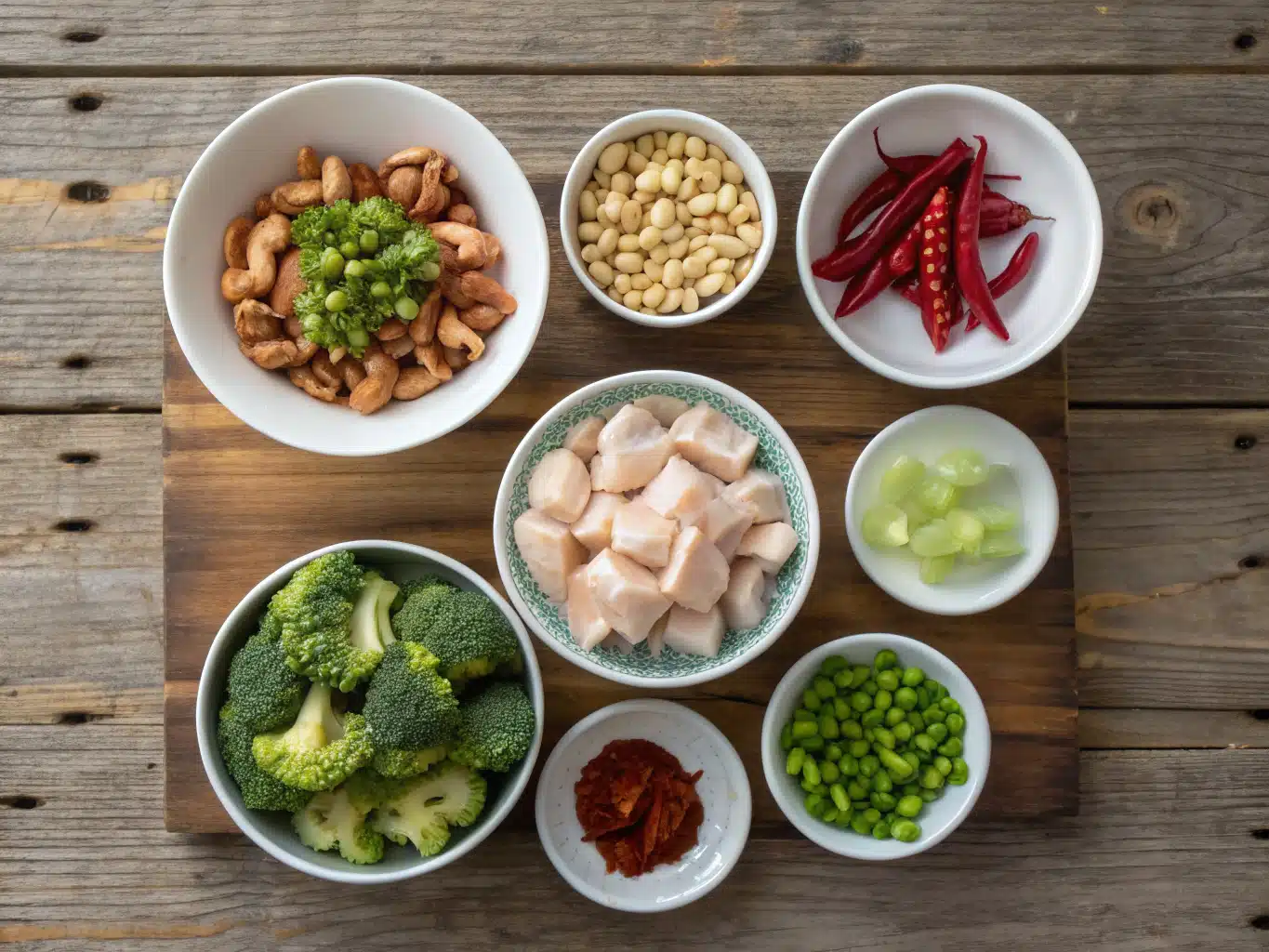
To nail your Kung Pao from scratch, here’s what to gather:
- 1 lb boneless, skinless chicken thighs (cut into bite-sized pieces)
- 1/2 cup roasted unsalted peanuts
- 8–10 dried red chilies (adjust for spice tolerance)
- 2 tablespoons soy sauce
- 1 tablespoon dark soy sauce (for color and depth)
- 1 tablespoon Chinkiang vinegar (or balsamic as a backup)
- 1 tablespoon dry sherry
- 1 teaspoon sugar
- 1 teaspoon cornstarch
- 1/2 teaspoon sesame oil
- 3 cloves garlic (minced)
- 1-inch piece of ginger (grated)
- 1/2 cup diced green onions
- 1 tablespoon oil (preferably peanut or neutral oil)
Substitutions: Tofu, shrimp, or even leftover rotisserie chicken can substitute for the chicken thighs. Allergic to peanuts? Roasted cashews work beautifully.
The greatest part is, these are pantry-friendly staples. With just a few tweaks, you can bring intense flavor with maximum flexibility.
Timing: Quick, Crunchy, and Ready in 30
Kung Pao may taste complex, but it’s weeknight-friendly. Prep everything before heating your wok—once it starts, things move fast.
| Step | Time |
|---|---|
| Chopping + marinating chicken | 10 minutes |
| Stir-frying | 15 minutes |
| Total Time | 25–30 minutes |
That’s about 20% quicker than your average beef stir fry or honey chicken recipe, with much bolder flavor payoffs.
Step-by-Step Instructions
- Toss chicken with 1 tsp soy sauce, cornstarch, and a splash of dry sherry. Let it marinate while prepping your other ingredients.
- Heat oil in a wok or heavy skillet. Add dried chilies and toast until fragrant but not burned.
- Add the marinated chicken. Cook on high heat until golden and cooked through, about 6 minutes.
- Stir in garlic, ginger, and green onions. Sauté for 1 minute.
- Pour in sauce: mix remaining soy sauces, vinegar, sugar, and sesame oil.
- Add peanuts and cook for another minute until sauce is glossy.
- Serve immediately with jasmine rice or lo mein noodles.
Insider tip: For even more authentic flavors, lightly crush the dried chilies, but don’t eat them—just let them release their heat and aroma.
Heat Meets Harmony: Understanding Kung Pao’s Appeal
What Is the Flavor of Kung Pao?
Kung Pao is all about exploding flavor harmony. The sauce is its heart—a mix of sweet, sour, savory, and umami. You get sweetness from sugar, a vinegary tang, richness from soy sauce, and the kicker: dried chilies delivering deep, smoky heat.
What makes this dish special is the balance: spice that doesn’t burn your taste buds but enhances everything it touches. Add ginger and garlic, and you’ve got brightness underscoring the sauce’s complexity.
A great Kung Pao isn’t just spicy—it’s refined. A good comparison is this guide on spice chemistry that shows how spices activate our taste receptors beyond heat. That’s why Kung Pao hits so right.
What’s the Difference Between Kung Pao and General Tso?
Though often mistaken for one another, these two dishes march to different beats. General Tso is deep-fried, heavily battered, and smothered in a sticky-sweet sauce. It leans more indulgent and definitely sweeter. Kung Pao, on the other hand, is stir-fried with real vegetable flavors showing through. Sauce-wise, it’s brighter, tangier, and usually spicier.
Use this comparison when ordering out or meal planning—General Tso’s satisfies a sugar craving, but Kung Pao walks that balanced flavor tightrope with more complexity.
Kung Pao Variations & Pairings That Work
What’s the Difference Between Kung Pao and Szechuan Chicken?
Both dishes hail from Sichuan cuisine, but they differ in spice profile and ingredients. Szechuan chicken is typically hotter and often includes Sichuan peppercorns that bring a numbing sensation, absent in Kung Pao.
If you’re after that famous “mala” (numbing-heat) feel, Szechuan chicken is your ticket. Kung Pao’s heat is simpler—red pepper and chili oil—but grounded in sweetness and acidity.
How to Reimagine Kung Pao at Home
Kung Pao is endlessly customizable. Swap proteins, try stir-fried tempeh or portobello mushrooms. Change up the sauce profile with citrus zest or even miso paste.
Need inspiration? Picture a mashup with sesame beef, combining toasted sesame oil into the sauce and using sliced beef strips instead of chicken. The results? Stellar. Kung Pao pasta? Toss cooked spaghetti in the mix for an East-meets-West finish.
Kung Pao is not just a dish—it’s a format.
FAQs
What is Kung Pao made of?
Kung Pao typically includes chicken, roasted peanuts, dried red chilies, garlic, ginger, and a soy-based sauce with vinegar and sugar for flavor contrast.
What’s the difference between Kung Pao and General Tso?
Kung Pao is stir-fried with a balanced spicy-tangy flavor, while General Tso’s is deep-fried and heavily sweet.
What is the flavor of Kung Pao?
It delivers a sweet, spicy, umami-rich profile with a tangy finish, thanks to vinegar, chilies, and soy sauce.
What is the difference between Kung Pao and Szechuan Chicken?
Szechuan chicken features the mouth-numbing heat from Sichuan peppercorns. Kung Pao focuses on dried chili spice with a sweeter, milder taste.
Conclusion
Kung Pao isn’t just a weeknight meal—it’s a cultural bridge, a flavor bomb, and an invitation to get creative in your kitchen. Whether you stick to tradition or remix it with local produce and personal flairs, mastering Kung Pao means unlocking that perfect bite: spicy, crunchy, tangy, and endlessly satisfying.
Try pairing it with a side of honey-glazed chicken or mix up some sesame chicken for a family-style table spread everyone remembers. Food is about more than recipes—it’s about connection. And Kung Pao, to me, will always mean tapping into memory, legacy, and just a bit of bold experimentation.
Print
How to Make Kung Pao Like a Pro: Flavor, Fire & a Southern Twist
- Total Time: 25 minutes
- Yield: 2–3 servings 1x
Description
A bold, spicy, and sweet stir-fry classic from Sichuan cuisine featuring crispy chicken, roasted peanuts, and a tangy, umami-rich sauce.
Ingredients
1 lb boneless, skinless chicken thighs (cut into bite-sized pieces)
1/2 cup roasted unsalted peanuts
8–10 dried red chilies (adjust for spice tolerance)
2 tablespoons soy sauce
1 tablespoon dark soy sauce (for color and depth)
1 tablespoon Chinkiang vinegar (or balsamic as a backup)
1 tablespoon dry sherry
1 teaspoon sugar
1 teaspoon cornstarch
1/2 teaspoon sesame oil
3 cloves garlic (minced)
1-inch piece of ginger (grated)
1/2 cup diced green onions
1 tablespoon oil (preferably peanut or neutral oil)
Instructions
1. Toss chicken with 1 tsp soy sauce, cornstarch, and a splash of dry sherry. Let it marinate while prepping your other ingredients.
2. Heat oil in a wok or heavy skillet. Add dried chilies and toast until fragrant but not burned.
3. Add the marinated chicken. Cook on high heat until golden and cooked through, about 6 minutes.
4. Stir in garlic, ginger, and green onions. Sauté for 1 minute.
5. Pour in sauce: mix remaining soy sauces, vinegar, sugar, and sesame oil.
6. Add peanuts and cook for another minute until sauce is glossy.
7. Serve immediately with jasmine rice or lo mein noodles.
Notes
Substitute tofu, shrimp, or rotisserie chicken for a twist.
Roasted cashews are a great peanut alternative.
For authentic flavor, lightly crush dried chilies before stir-frying.
- Prep Time: 10 minutes
- Cook Time: 15 minutes
- Category: Main Dish
- Method: Stir Fry
- Cuisine: Chinese
Nutrition
- Serving Size: 1 bowl
- Calories: 380
- Sugar: 5g
- Sodium: 800mg
- Fat: 20g
- Saturated Fat: 4g
- Unsaturated Fat: 14g
- Trans Fat: 0g
- Carbohydrates: 15g
- Fiber: 2g
- Protein: 32g
- Cholesterol: 90mg
Keywords: Kung Pao Chicken, Chinese takeout, spicy stir fry