Disclosure: This post may contain affiliate links. As an Amazon Associate, we earn from qualifying purchases—at no extra cost to you.
There’s something about stuffing that instantly transports me back to my grandma’s cozy kitchen in Georgia. I can still smell the buttery cornbread, the onions sizzling in a cast iron skillet, and the earthy aroma of sage wafting through the house. Stuffing wasn’t just a side dish—it was the centerpiece of connection. But years later, after meeting folks in Austin with celiac disease and gluten sensitivities, I realized how many people miss out on this memory simply because traditional stuffing is off-limits.
So I rolled up my sleeves. If I could reinvent classics with a twist—like my kimchi-laced mac and cheese—why not reimagine stuffing with gluten free joy and flavor? That’s how my gluten free stuffing journey began. Whether you’re newly gluten free or just aiming to add more mindful choices to your table, this guide will help you create stuffing that’s every bit as nostalgic, savory, and satisfying—without a single crumb of regret.
Reinventing Tradition with Gluten Free Goodness
Why Gluten Free Stuffing Is More Than a Trend
Gluten free stuffing isn’t just for folks with dietary restrictions anymore—it’s become a highly requested dish at potlucks and Thanksgiving tables alike. Whether you’re avoiding gluten for health reasons or simply want to try something new, gluten free stuffing is a fantastic gateway into creating inclusive, delicious meals that still honor tradition. By using creative swaps and thoughtful ingredients, you can achieve the same rich flavors and texture that classic stuffing offers—without compromising on health or taste.
Adding gluten free stuffing to your holiday menu also means opening your table to more people. Imagine a dish everyone can enjoy without fuss over allergies or dietary blocks. The process invites new flavors, like cornbread, wild rice, or even savory pineapple stuffing as delicious twists. It’s a way to turn a nostalgic classic into an exciting, crowd-pleasing evolution.
The Secret Sauce: Technique and Texture
Making gluten free stuffing work is all about mastering texture. Traditional stuffing made with wheat-based bread gets that perfect crisp-on-the-outside-soft-on-the-inside feel from gluten elasticity. Without gluten, your stuffing needs structure from the right kind of bread and enough moisture from broth and eggs.
Cornbread is a fantastic base because it holds moisture beautifully and delivers that comforting Southern flavor I grew up with. I occasionally toss in protein perks like sage-spiced sausage—like in this cornbread sausage stuffing—perfect for Sunday supper or Thanksgiving elite status.
To keep things balanced, I use a blend of dried gluten free bread cubes and fresh ingredients, then bake it uncovered for crunch and tenderness. Looking to switch it up further? Try stuffing muffins—a fun, portion-controlled take that’s great for potlucks or picky eaters.
Ingredients and Technique Behind the Best Gluten Free Stuffing
Ingredient Essentials (And Smart Substitutes)
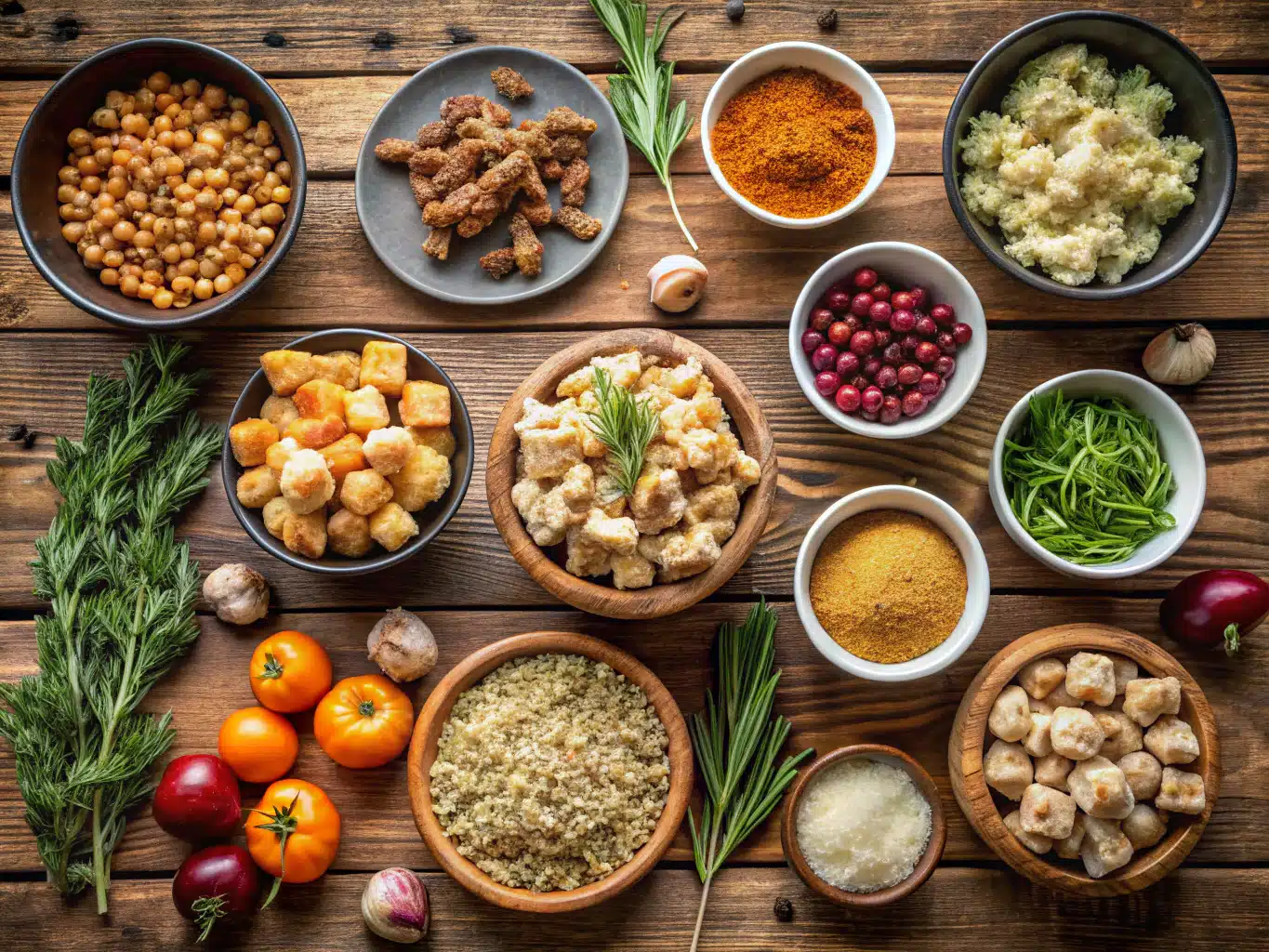
The road to the ultimate gluten free stuffing definitely goes through your pantry. Here’s my basic list, along with some swaps for flavor adventurers or folks clearing out the fridge:
Ingredient
Substitution Ideas
Gluten Free Bread (cubed & dried)
Cornbread, rice-based breads, or GF baguette
Chopped Onions & Celery
Add fennel or leeks for complexity
Sage, Thyme & Rosemary
Try poultry seasoning for quick flavor fix
Gluten Free Chicken or Veggie Broth
Bone broth or mushroom broth to deepen flavor
Eggs
Flax eggs or aquafaba (for egg-free option)
A good gluten free bread will absorb broth without turning into mush. If you’re baking your own cornbread like in my cornbread stuffing recipe, make sure it’s cooled completely before cubing it to help it dry out properly.
Timing: From Prep to Plate
Making gluten free stuffing is easy, but timing matters if you want it to hold its shape and deliver the depth of flavor stuffing lovers crave. Here’s a time-saving breakdown:
Stage
Duration
Drying the Bread
Overnight (or 60 mins at 250°F)
Prep & Sauté Aromatics
15 mins
Assembly
10 mins
Baking
35–45 mins at 350°F
Total time lands you at about 90 minutes—20% quicker than many traditional recipes thanks to streamlined prep and naturally smaller batches.
Cooking Directions Made Simple
Preheat your oven to 350°F.
Sauté diced onions and celery in butter or olive oil until soft (about 7 mins). Add your spices.
In a bowl, mix dried bread cubes with aromatics, then pour your broth in small doses until bread softens, but doesn’t soak.
Lightly beat two eggs and combine into the mix—this helps bind things.
Spoon into a greased baking dish, cover with foil for the first 25 mins, then bake uncovered for another 15–20 mins till golden.
Want a meaty punch? Sauté sausage ahead of time and fold it in before baking, just like I do in my sausage stuffing recipe.
Flavor Variations & Nutrition Power
Embrace Gluten Free Creativity
The beauty of gluten free stuffing is its adaptability. Some of the most-requested variations from my kitchen include wild rice versions, vegan mushroom medleys, or spicy Southwest themes with jalapeños and corn. Curious minds might explore sweet-savory combinations like apple or cranberry sausage mix-ins.
Want more kick? Stir in some fermented veg or pepper relish for a punch, much like I did when twisting a holiday classic into this cornbread dressing recipe. The key is contrast—balancing soft and crunchy, sweet and savory for a recipe that dances on your palate.
Nutritional Benefits and Dietary Flexibility
Going gluten free isn’t just a matter of substitution—it can open doors to cleaner, nutrient-rich eating. Many gluten free breads and broths have fewer preservatives and more fiber than processed white bread. Plus, gluten free dishes are safe for guests with celiac disease or non-celiac gluten sensitivity.
According to the U.S. Department of Health & Human Services, identifying safe gluten free recipes is essential for long-term wellness in individuals with diagnoses like celiac. This makes your recipe not only delicious but medically meaningful.
You can make your stuffing dairy free by using olive oil instead of butter, and nut free by avoiding pre-made gluten free bread mixes that include almond flour—always read your labels.
Making it Memorable: Presentation and Leftover Magic
Presentation Elevates the Plate
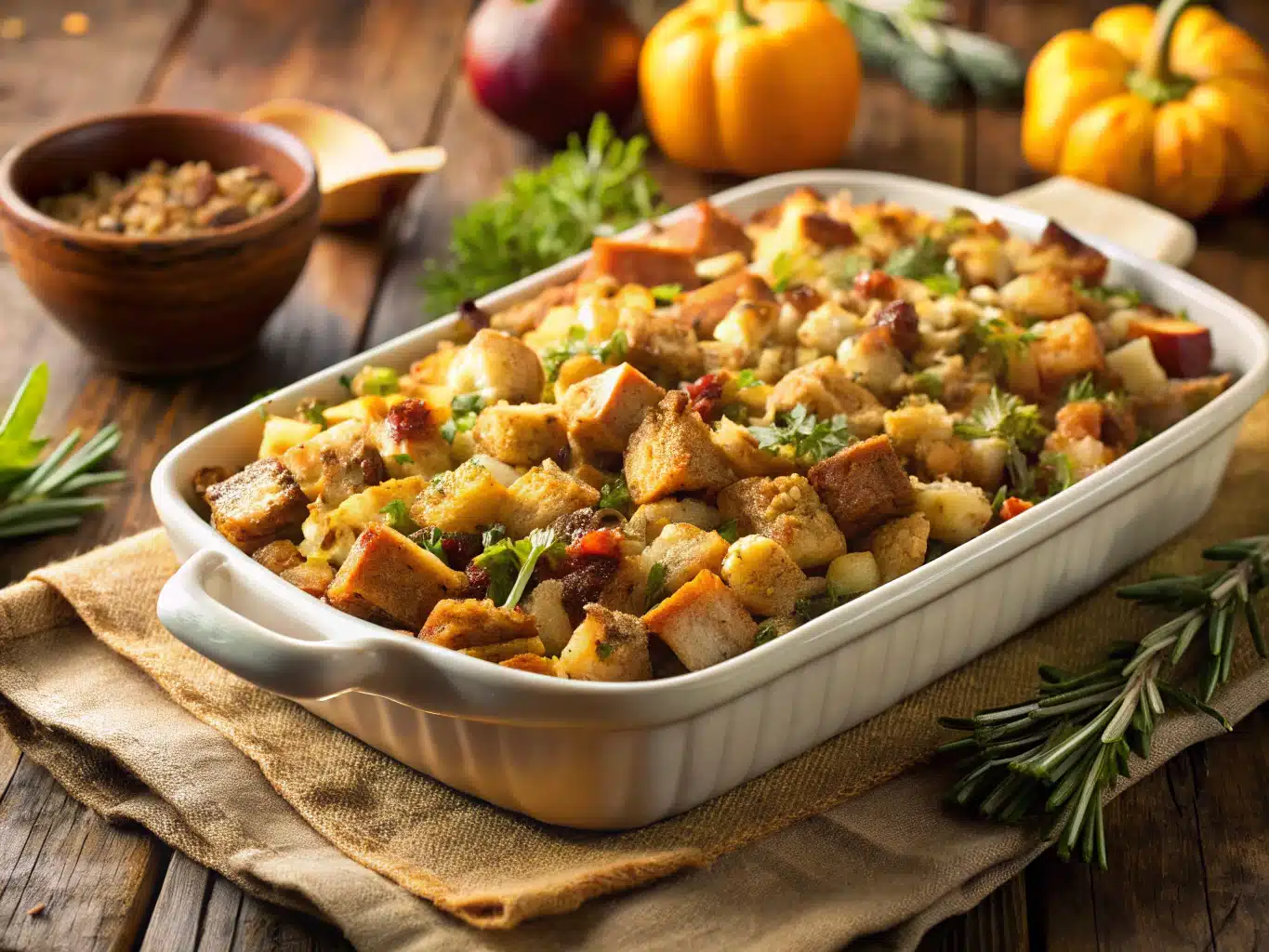
Your gluten free stuffing deserves a showstopper moment. I love layering mine in a rustic cast iron pan and topping it with fresh sage leaves for an easy but elegant touch. For dishes like my homemade stuffing, I arrange crispy edges on top to catch the eye—and tempt the fork.
Another crowd pleaser? Molding it into muffin pans, turning family-style stuffing into individual bites. That’s how my stuffing muffin recipe always gets devoured—ideal for Friendsgiving or catering spreads.
Best Ways to Use Leftovers
Got extras? Lucky you. Next-day gluten free stuffing is a culinary playground. Shape into patties, pan-fry for breakfast, or add to casserole layers with leftover turkey and gravy. One of my surprise hits was stuffing waffles—just press it into a waffle iron and top with cranberry sauce or an over-easy egg.
Leftovers store beautifully in the fridge up to 4 days, or freeze well in pieces for up to a month. Just remember to reheat slowly so they don’t dry out.
FAQs About Gluten Free Stuffing
Does Aldi have gluten free stuffing?
Yes, Aldi offers a seasonal variety of gluten free stuffing under its LiveGfree brand, typically around Thanksgiving. It’s a budget-friendly option with surprisingly bold flavor.
Is Pepperidge Farm stuffing gluten free?
No, Pepperidge Farm’s classic stuffing mixes are not gluten free. Always check labels for wheat and gluten indicators.
How to make your own gluten free stuffing?
Start with a gluten free bread base—either cornbread, store-bought GF loaf, or even dried wild rice—then follow a traditional mix: chopped aromatics, broth, herbs, and eggs. The full instructions above detail every step with optional add-ins.
Does Trader Joe’s have gluten free stuffing?
Trader Joe’s frequently offers a gluten free stuffing mix during the holiday season. It’s made with rice and hearty vegetables, giving it a distinct, wholesome flavor.
Conclusion
If you’ve ever felt left out of the holiday feast because of gluten, it’s time to reclaim stuffing as your own. This ultimate gluten free stuffing won’t just fill a space on your plate—it’ll fill hearts around the table. From crispy corners to rich umami broth-soaked bites, it brings all the joy and tradition of the original, plus more.
Whether you jazz yours up with sausage, go classic with cornbread, or mold it into Thanksgiving-ready muffins, your stuffing is your story. Make it bold. Make it flavorful. Most of all, make it yours—gluten free, no compromises.
Now go ahead. Bake with joy. Savor every bite. And pass that pan with pride.
This gluten free stuffing is a nostalgic, savory reinvention of a classic holiday favorite—perfect for guests with gluten sensitivities or anyone wanting a mindful, hearty twist on traditional stuffing.
Ingredients
Scale
4 cups gluten free bread cubes (dried or toasted)
1 medium onion, chopped
2 celery stalks, chopped
2 tbsp butter or olive oil
1 tsp dried sage
1 tsp thyme
1/2 tsp rosemary
1/2 tsp salt
1/4 tsp black pepper
1 1/2 cups gluten free chicken or vegetable broth
2 eggs, lightly beaten
Optional: 1/2 lb sage sausage, cooked
Optional: fresh herbs or leeks for garnish
Instructions
1. Preheat oven to 350°F.
2. Sauté onions and celery in butter or oil until soft, about 7 minutes. Add herbs and mix well.
3. In a large bowl, combine dried bread cubes with sautéed aromatics.
4. Slowly pour in broth, mixing until bread is moistened but not soggy.
5. Add lightly beaten eggs and mix gently to combine.
6. Fold in cooked sausage if using.
7. Spoon mixture into a greased baking dish.
8. Cover with foil and bake for 25 minutes.
9. Remove foil and bake an additional 15–20 minutes until top is golden and crisp.
10. Serve warm with fresh herbs or as stuffing muffins for individual portions.
Notes
Make it dairy-free by using olive oil instead of butter.
Try stuffing muffins for fun, portion-controlled servings.
Leftovers make great breakfast patties or stuffing waffles.
Store in fridge up to 4 days or freeze for up to a month.
Experiment with wild rice, apples, or jalapeños for creative variations.