
Disclosure: This post may contain affiliate links. As an Amazon Associate, we earn from qualifying purchases—at no extra cost to you.
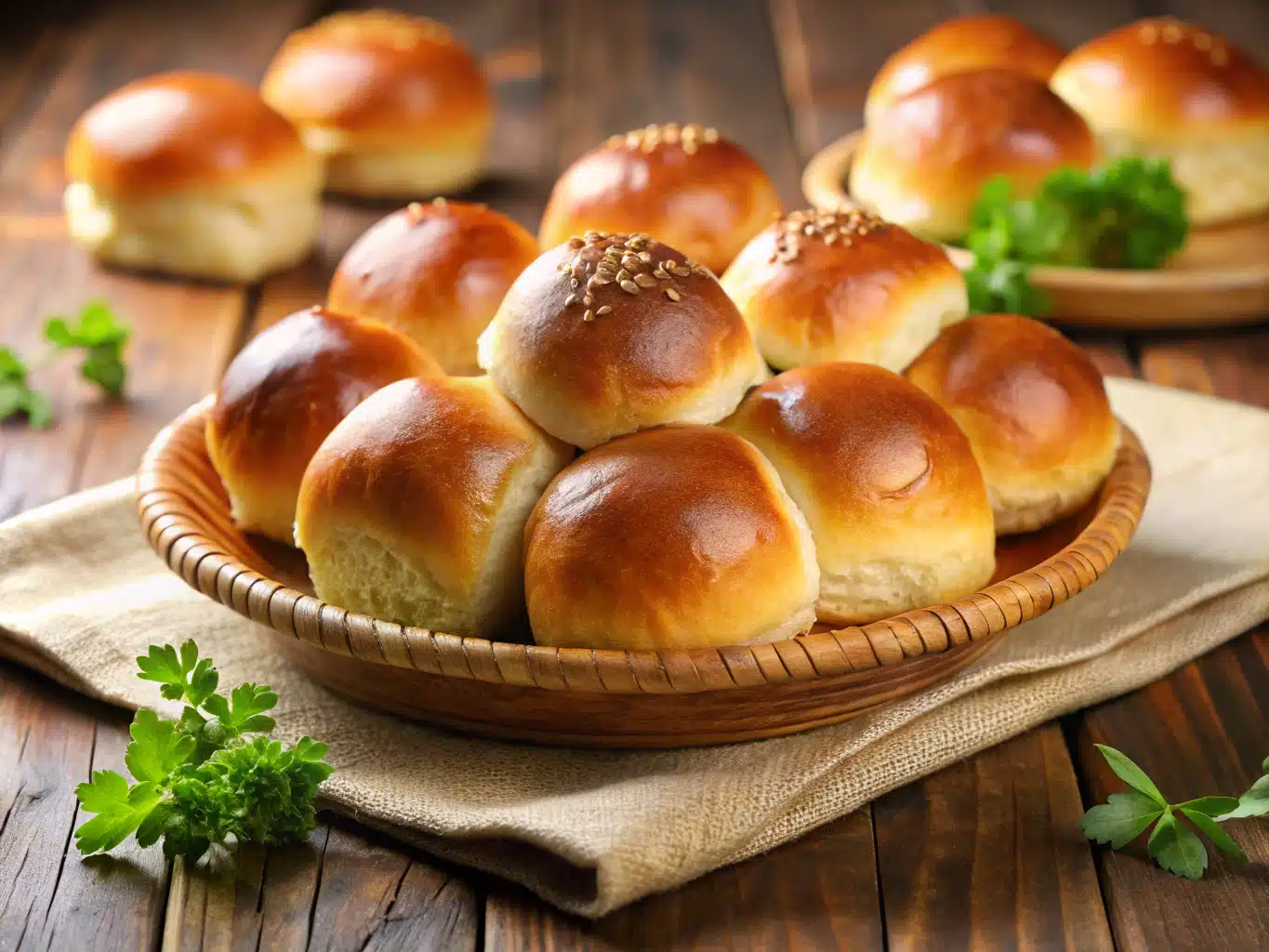
There’s nothing quite like breaking into a fresh, warm batch of soft dinner rolls. That delicate golden crust on the outside and the pillowy-soft center that practically melts with a smear of honey butter — it instantly takes me back to my childhood in Georgia. Back then, my granny’s rolls were the centerpiece of our Sunday dinners. No matter what roast or stew was on the table, it was always those soft dinner rolls people reached for first. Years later in culinary school, I chased that same nostalgic softness in professional kitchens, until I began experimenting in my home kitchen.
This article is for folks who want to recreate that soft, luscious bite of homemade dinner rolls without fuss. We’ll explore the ingredients, techniques, and secrets to getting consistently soft, buttery rolls every time — whether it’s your first try or your fiftieth. I’ll show you how to balance tradition with personality (like sneaking in herby richness), compare popular recipes, and even troubleshoot if your rolls turn out more like hockey pucks than heavenly buns.
Let’s break bread — quite literally — and bring the joy of soft dinner rolls right into your home kitchen.
What Makes Dinner Rolls Perfectly Soft?
Unlocking the Texture You Crave
There’s a big difference between good rolls and unforgettable soft dinner rolls. It comes down to texture. That soft, feathery crumb results from a mix of high-moisture dough, enriched ingredients, and proper kneading. A lot of people think it’s simply about butter, but it’s deeper than that. You need enough milk and eggs to enrich the dough, while sugar not only feeds the yeast but helps tenderize the crumb.
Structure-wise, the secret lies in activating enough gluten without exhausting it. Over-kneading? You’ll get dense rolls. Under-kneading? Flat and lifeless. That ideal balance gives you the tender, stretchy dough you want. Think of it like working with memory foam—it should bounce back when poked.
Baking them close together creates tenderness too. Why? Because they steam each other during baking — kind of like social baking magic. That’s exactly what happens when you make Parker House rolls, a classic version known for ridiculously soft pull-apart texture.
The Role of Fat, Dairy, and Technique
Fat, especially from butter and milk, affects structure and elasticity. That’s why recipes using whole milk produce softer rolls than those using water alone. The proteins in dairy help soften the gluten strands, keeping everything plush.
Eggs also enhance color and richness, while infusing the dough with just enough structure to hold its airy softness. And then there’s the final brush of melted butter over hot rolls—that’s not just for shine. It keeps the crust from drying out.
Timing matters too. Letting the dough proof—twice—is critical. It allows gluten to relax and the yeast to fill the dough with air, giving rise (literally) to that cloud-like finish. For added inspiration, check out these golden honey butter biscuits for a completely different twist on soft bread done right.
How to Make Soft Dinner Rolls from Scratch
Ingredients List & Substitutions
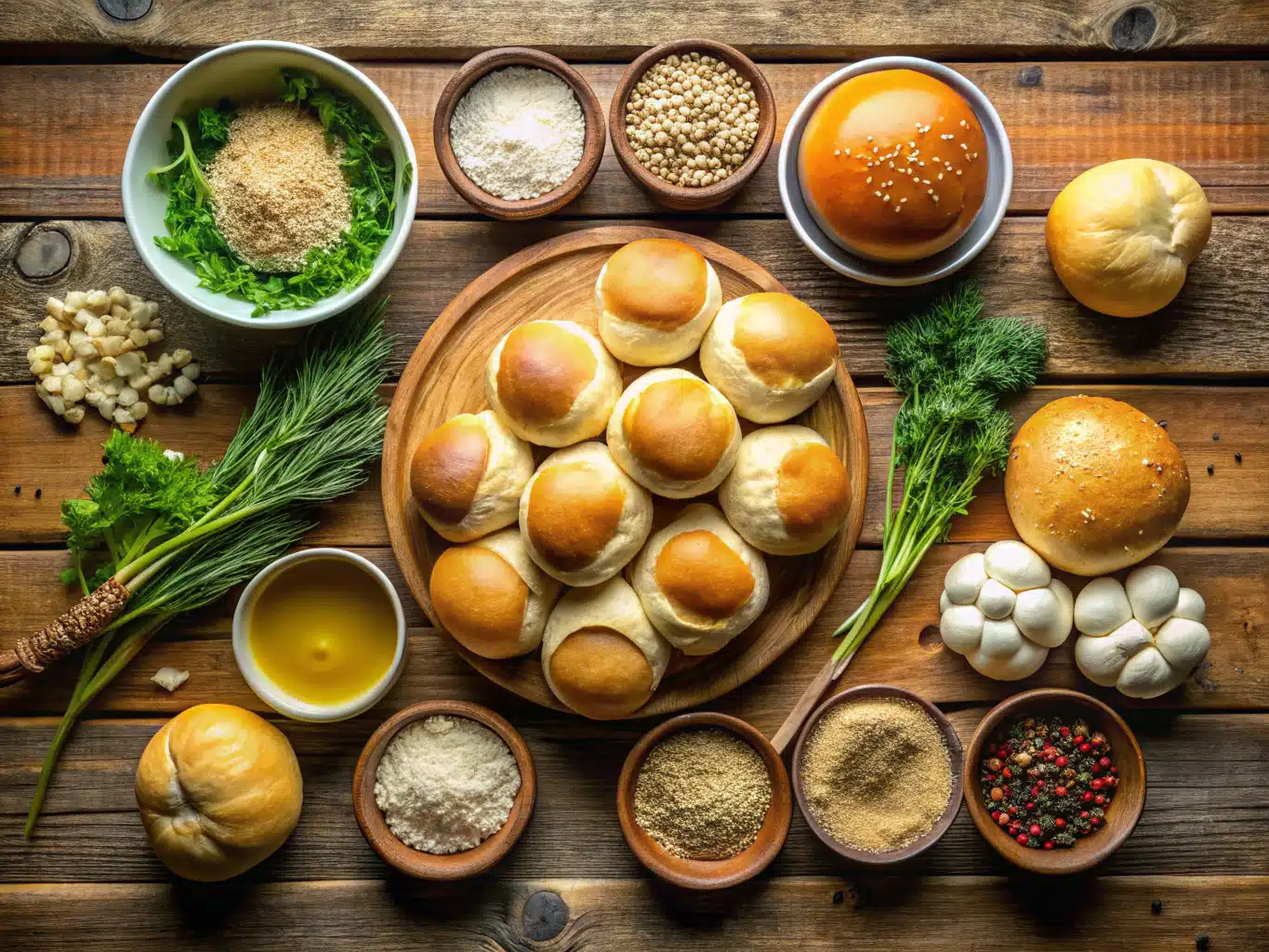
Here’s what you’ll need to make a classic batch of irresistible, soft dinner rolls:
| Ingredient | Notes/Substitutions |
|---|---|
| 3 ½ cups all-purpose flour | Or use bread flour for chewier texture |
| 1 cup warm milk (100–110°F) | Can sub with almond milk for dairy-free |
| 2 ¼ tsp active dry yeast | One packet |
| 1 large egg | Adds richness and helps dough rise |
| 3 tbsp unsalted butter, softened | Use vegan butter if preferred |
| 2 tbsp sugar | Balances flavor and boosts yeast |
| 1 tsp salt | Enhances the dough’s flavor |
Timing Breakdown
From start to finish, expect about 90 minutes—faster than many artisanal roll recipes by 20–30%.
- Prep time: 15 minutes
- First rise: 45 minutes
- Shape/second rise: 20 minutes
- Bake time: 12–15 minutes
- Total time: ~90 minutes
That’s perfect for busy cooks craving a quick, crowd-pleasing bread with dinner.
Step-by-Step Instructions
- In a large bowl, dissolve yeast and sugar in warm milk. Let it sit for 5–10 minutes until frothy.
- Add egg, butter, and salt to the yeast mixture and mix well.
- Gradually stir in the flour. Dough should be slightly sticky but manageable.
- Knead the dough on a floured surface for 8–10 minutes, or until smooth and elastic.
- Place dough in a greased bowl, cover with a damp towel, and let rise until doubled in size — about 45 minutes.
- Punch down the dough and divide into 12 equal pieces. Shape into balls and arrange in a greased 9×13 pan.
- Cover again and allow to rise for 20–30 minutes until puffy.
- Preheat oven to 375°F. Bake for 12–15 minutes or until tops are golden.
- Brush hot rolls with melted butter and let cool slightly before serving.
This process hits that perfect balance between breezy and foolproof. Want a flavorful variation? Try stuffing the dough with warm garlic butter like these homemade garlic knots—absolutely worth the twist.
Tips and Variations for Softer Rolls Every Time
Secret Ingredients for Next-Level Softness
Want to level up your soft dinner rolls beyond the basics? Try replacing half the all-purpose flour with cake flour. The lower protein content helps create an even softer crumb. You can also add mashed potatoes to supercharge softness — just like in this parmesan mashed potatoes recipe, which shows how potatoes truly boost fluffiness.
Want to amplify flavor while increasing tenderness? Mix in ¼ cup sour cream or Greek yogurt. Not only does this add moisture, it gives the rolls a tangy depth that complements savory dishes beautifully.
Another small but impactful tip is to spray a light mist of water into the oven before baking and shut the door immediately. That steam helps the rolls rise rapidly during the first few minutes of baking, locking in softness.
Dress Them Up: Butter, Herbs & More
While classic rolls are always good, we’ve got plenty of room for playful updates. Add chopped fresh herbs like rosemary or thyme to the dough, or top each roll with flaky sea salt after brushing with butter.
For a sweet version, brush warm rolls with honey butter or cinnamon sugar straight out of the oven. They become the perfect sidekick to spicy mains or even skillet-fried cornbread-style feasts.
And if you’re hosting holiday dinners, let these rolls shine with easy sides like brown gravy or charred vegetables. With their fluffy texture and golden crown, they’ll steal the show every time.
You can even find supportive research from the U.S. Department of Agriculture confirming that enriched breads like these contribute valuable carbohydrates necessary for balanced energy.
Storage, Reheating, and Batch Cooking
Best Storage Techniques
If you somehow end up with leftovers (rare in my house!), soft dinner rolls store beautifully. Let them cool completely, then transfer to an airtight bag or container. Store at room temp for up to 3 days or refrigerate for 5 days. Want to store longer? Freeze individually wrapped rolls, then pop them into a freezer-safe bag.
When reheating, avoid the microwave if possible as it can rubberize the texture. Instead, wrap rolls in foil and warm in a 300°F oven for 8–10 minutes. They’ll come out piping hot and nearly as cloud-soft as the day you made them.
Doubling the Recipe Like a Pro
Need enough rolls to feed a crowd? Easily double the ingredients list and separate the dough into two pans. But don’t crowd them—remember, proximity creates softness, but overcrowding can make them steam too much and lose form.
If you’d rather make dough in advance, prepare everything up to the second proof, then refrigerate the shaped rolls overnight. The next day, bring them to room temperature for about 30 minutes before baking. This method makes holiday or event prep stress-free and smooth.
And when paired with cheesy pasta or easy garlic bread, these rolls form a feast any generation would love.
FAQs About Soft Dinner Rolls
What makes dinner rolls soft?
Butter, milk, and eggs tenderize the dough, while using enough moisture and letting the dough proof well contributes to their softness.
What is the secret to soft buns?
Using enriched dough with fats like butter, and baking rolls close together, creates steam and softness.
How to make really soft bread rolls?
Knead the dough just enough for elasticity, allow full proofing, and brush tops with butter right after baking.
What is the secret of making soft bread?
Moisture and fat are key — think milk, eggs, and butter. Plus, never skip proper proofing!
Conclusion
Making soft dinner rolls from scratch is as much about feeling as it is about following directions. You’re building warmth, memory, and comfort into every fold. Whether you stick with the classic recipe or jazz things up with herbs or cheese, remember: the secrets to softness lie in moisture, time, and a touch of love. From Sunday suppers to weeknight cravings, these rolls are your ticket to becoming a bread whisperer in your own kitchen.
Now that you’ve mastered the art of super-soft, drool-worthy rolls, what’ll you bake next? Maybe some tender Parker House rolls or warm, flaky honey butter biscuits? Whatever the craving, your kitchen’s ready.
Print
Soft Dinner Rolls: A Warm Bite of Comfort From My Oven to Yours
- Total Time: 90 minutes
- Yield: 12 rolls 1x
Description
Warm, fluffy, and buttery-soft dinner rolls just like grandma used to make — perfect for every meal or holiday table.
Ingredients
3 ½ cups all-purpose flour
1 cup warm milk (100–110°F)
2 ¼ tsp active dry yeast
1 large egg
3 tbsp unsalted butter, softened
2 tbsp sugar
1 tsp salt
Instructions
1. Dissolve yeast and sugar in warm milk in a large bowl; let sit 5–10 minutes until frothy.
2. Add egg, butter, and salt; mix well.
3. Gradually stir in flour until dough is slightly sticky but manageable.
4. Knead on a floured surface for 8–10 minutes until smooth and elastic.
5. Place in a greased bowl, cover, and let rise 45 minutes until doubled.
6. Punch down dough, divide into 12 pieces, and shape into balls.
7. Arrange in a greased 9×13 pan; let rise 20–30 minutes until puffy.
8. Preheat oven to 375°F; bake 12–15 minutes until tops are golden.
9. Brush hot rolls with melted butter; let cool slightly before serving.
Notes
For extra softness, swap half the flour with cake flour or add mashed potatoes.
Enhance flavor with ¼ cup sour cream or Greek yogurt.
Add herbs like rosemary or thyme for a savory twist.
Freeze leftovers for up to 1 month; reheat wrapped in foil at 300°F for 8–10 minutes.
- Prep Time: 15 minutes
- Cook Time: 15 minutes
- Category: Bread
- Method: Baking
- Cuisine: American
Nutrition
- Serving Size: 1 roll
- Calories: 180
- Sugar: 3g
- Sodium: 210mg
- Fat: 6g
- Saturated Fat: 3g
- Unsaturated Fat: 2g
- Trans Fat: 0g
- Carbohydrates: 27g
- Fiber: 1g
- Protein: 4g
- Cholesterol: 25mg
Keywords: soft dinner rolls, homemade bread, fluffy rolls, easy yeast rolls, holiday rolls