
Disclosure: This post may contain affiliate links. As an Amazon Associate, we earn from qualifying purchases—at no extra cost to you.
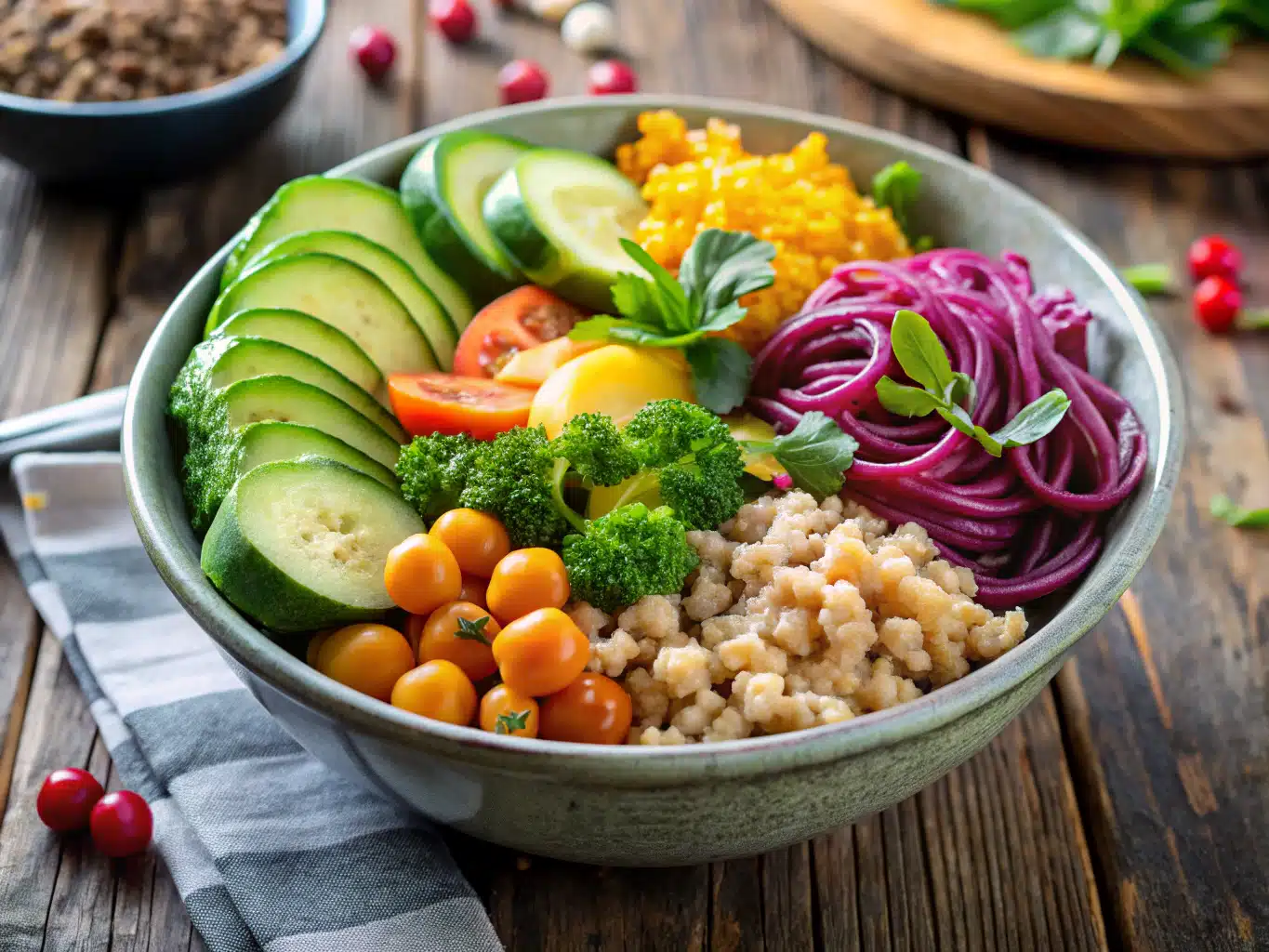
Buddha bowl recipes have taken the spotlight for good reason—they’re vibrant, customizable, and packed with nourishing ingredients. Whether you’re a seasoned chef or new to the kitchen, these bowls deliver both flavor and visual delight. In this post, we’re diving deep into what makes Buddha bowls so popular, how to build one that truly satisfies, and even ways to pump up the protein. I’ll also share handy tips, delicious variations, and key ingredients I swear by in my Austin kitchen.
Let’s start with the heart of it all—why Buddha bowl recipes feel like home.
Born from the Bowl: Why I Fell in Love with Buddha Bowl Recipes
Sunday Suppers to Solo Lunches: My Journey with One-Bowl Wonders
Growing up in Georgia, Sunday dinner meant two things: community and creativity. You showed up with something homemade, heartfelt, and often colorful. That legacy stayed with me through culinary school in New Orleans to the food-science experiments I run in my Austin kitchen today. The beauty of Buddha bowl recipes? They remind me of those Southern potlucks—powerful on presentation, rich in flavor, and wildly flexible.
I first stumbled upon Buddha bowls while trying to recreate something light—but hearty—after a late night shift. Turns out, layering grains, proteins, seasonal veggies, and that one killer sauce in a single bowl was more than fast food—it was soul food.
Now, they’re my go-to for using leftovers creatively. Monday might start with roasted sweet potatoes, and by Wednesday, I’m mixing them into spicy cabbage slaw for a refreshing twist. Food should be fun, and Buddha bowls are the perfect canvas for adventurous, approachable eating.
More Than a Trend: Why These Bowls Deserve the Spotlight
Don’t let the Instagram aesthetic fool you—these bowls aren’t just trendy toss-togethers. Behind every Instagram-worthy Buddha bowl lies a balance of textures, flavors, and macronutrients. That’s why Buddha bowl recipes are here to stay: they make healthy eating both satisfying and sustainable.
Curious about the different styles? From quinoa-based bowls to spicy chicken-loaded versions, there’s truly something for every palate and protein goal. Some days I’m craving plant-based goodies with air fryer tofu, while others call for colorful rainbow salad inspiration.
Buddha bowl recipes offer the perfect way to repurpose simple, accessible staples—like a scoop of cauliflower rice or last night’s leftover grilled chicken—into something exciting, nutrient-rich, and most importantly, delicious.
The Building Blocks of an Irresistible Buddha Bowl
Ingredients That Matter: Your Bowl, Your Adventure
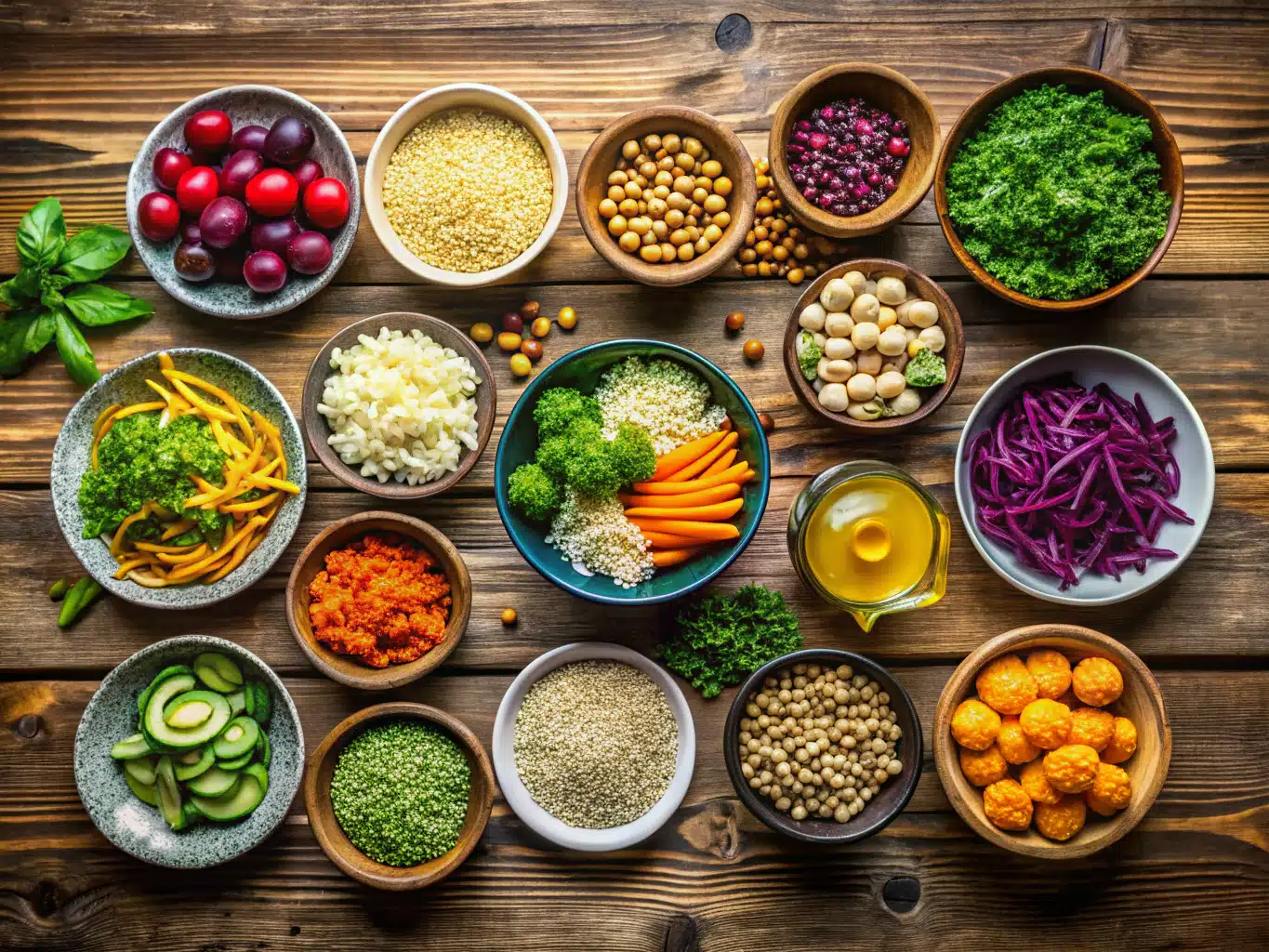
Every top-tier Buddha bowl recipe starts with five defining elements: grains, protein, vegetables, toppings, and that essential sauce.
Here’s my basic layout—feel free to mix and match based on your pantry or mood:
- Base: Brown rice, quinoa, cauliflower rice, farro, or soba noodles
- Protein: Chickpeas, air fryer tofu, grilled chicken, tempeh, boiled eggs
- Veggies (raw/roasted): Carrots, cabbage, cucumber, kale, sweet potatoes, zucchini
- Crunch: Pumpkin seeds, crushed almonds, sesame seeds, or crispy shallots
- Sauce/Dressing: Tahini-lemon, peanut-soy glaze, zesty vinaigrette, or sriracha yogurt
Looking to switch it up? Sub quinoa for cauliflower rice for fewer carbs, or use chickpeas instead of tofu if legumes are your jam. High-protein eaters can even add a few turkey meatballs or sautéed shrimp.
One of my go-to products for prepping veggies fast is the Fullstar Vegetable Chopper on Amazon—perfect for getting that rainbow crunch in half the time.
| Component | Bowl Options |
|---|---|
| Base | Quinoa, Brown Rice, Farro, Noodles |
| Protein | Grilled Chicken, Tofu, Lentils, Eggs |
| Veggies | Roasted Sweet Potato, Kale, Cabbage Slaw |
| Sauce | Tahini, Peanut Dressing, Vinaigrette |
Time-Smart Prep That Fits Any Schedule
The beauty of Buddha bowl recipes is how quickly they come together—especially if you prep in batches. Here’s my breakdown:
- Prep time: 15–20 minutes
- Cook time: 20–25 minutes (if roasting veggies or cooking grains)
- Total time: About 40–45 minutes
That’s at least 20% faster than most full-meal recipes with multiple cooking elements. Bonus points if you’ve got a trusty multi-function rice cooker for the base.
Prep your sauce while your grains cook. Use a sheet pan to roast multiple veggies together (400ºF, 25 minutes). And with tools like this compact air fryer, you’ll crisp tofu or tempeh with minimal oil and cleanup.
Step-by-Step: Building the Ultimate Buddha Bowl
- Start with the base: Cook 1 cup of quinoa or brown rice. Let it cool slightly.
- Roast or sauté veggies: Toss sweet potatoes and zucchini with olive oil, salt, and pepper. Bake at 400ºF for 25 minutes.
- Cook your protein: Batch grill chicken or pan-fry tofu using sesame oil for flavor.
- Make the sauce: Mix tahini, lemon juice, garlic, and water until creamy.
- Assemble your bowl: Layer base, protein, veggies, and fresh greens like kale or spinach.
- Drizzle with sauce and sprinkle with crunchy toppings like pumpkin seeds or sesame.
For easier slicing during prep, I always use my favorite chef’s knife from Amazon. It’s sharp, balanced, and lightweight for long cooking sessions.
Flavor, Function, and Fuel: What Makes a Buddha Bowl Great?
Balancing Macros with High-Protein Buddha Bowl Recipes
If you’re watching your macros or trying to boost energy, protein-forward bowls are a must. My trick? Play with varied protein sources.
Beyond tofu or chicken, try seared salmon or even a hard-boiled egg combo. Don’t forget high-protein grains like farro. Want something fresh and hearty? Veggie-forward bowls rich in legumes can deliver well over 20 grams of protein per serving.
According to this USDA nutrition chart, 1 cup of cooked quinoa offers 8g of protein, while one cup of chickpeas brings in about 15g. Combining them gives you a plant-powered bang that keeps you fueled longer.
Quick tip: Keep a stash of roasted chickpeas on hand—tossed with paprika and salt—for last-minute crunch and nutrients.
Satisfy Your Cravings with Smart Saucing
A bland bowl is an unforgivable crime in my kitchen. Great Buddha bowl recipes need bold, exciting sauces. Peanut-ginger, chili-lime, or creamy dill tahini—I’m all about marrying punchy flavors with wholesome ingredients.
A good emulsion bottle like this mason jar shaker makes prep extra smooth and mess-free. Make dressings in bulk and store them for up to a week—it saves serious time.
A quick garlic-yogurt sauce or spicy miso glaze will instantly transform basic grains and greens into something craveable. For low-fat options, try blending roasted red peppers and vinegar with garlic and olive oil—it’s rich without the heavy cream.
Customizing Buddha Bowl Recipes to Fit Your Lifestyle
From Mediterranean to Asian-Inspired: Flavor Profiles Worth Trying
Buddha bowls shine in their adaptability. Craving rich umami flavors? Add soy-glazed tofu, sesame cucumber ribbons, and a drizzle of miso-lime vinaigrette. Want something coastal and breezy? Mediterranean-inspired bowls with grilled veggies, hummus, and feta cheese hit the spot.
The options stretch beyond personal preference. They’re also great entry points into dietary shifts—vegan, Mediterranean, high-fiber—you name it. Get creative like I do with Mediterranean-style bowls full of chickpeas, eggplant, and lemon vinaigrette dressing.
Toss quinoa, radish, and roasted tomatoes in a garlicky yogurt glaze for something that tastes like summer and feels like sunshine.
Meal Prep Tips and Kitchen Tools That Make a Difference
Consistency in nutrition doesn’t mean sacrificing excitement. My weekly strategy involves prepping 2–3 different components that keep well. Roasted cauliflower, curry-spiced lentils, and sliced carrots all last up to 4 days refrigerated.
Use stackable glass containers to compartmentalize sauces and grains if you’re big on meal prep. I also recommend this airtight container set—keeps ingredients fresh and organized. For batch prep lovers like us, it makes a huge difference.
And if you’re tight on time? A solid mandoline slicer will shave hours off repetitive veggie work, no exaggeration.
FAQ
What goes in a Buddha bowl?
A classic Buddha bowl includes a grain or base (like rice or quinoa), protein (chicken, tofu, legumes), vegetables (raw or roasted), and sauce or dressing. Optional toppings include seeds, nuts, or dried fruit.
Hot or cold components?
Buddha bowls can feature both hot and cold components. A popular mix is warm roasted veggies or grains paired with crisp raw produce and chilled dressings.
How do I make a Buddha bowl high-protein?
Add more dense protein like chicken breast, lentils, tofu, or eggs. Incorporating a high-protein grain like quinoa or farro also helps boost your macros.
What are the best sauces or dressings for Buddha bowls?
Tahini garlic, spicy peanut sauce, honey-sriracha, tzatziki, or citrus vinaigrettes top the charts. Flavor balance is key—opt for one bold, creamy element and contrast it with something bright or acidic.
Conclusion
Buddha bowl recipes are more than just colorful food trends—they’re a way to bring creativity, balance, and wellness into everyday meals. With endless ingredient combinations and sauce possibilities, you’re never locked into one style. Whether you’re drawn to hearty chicken bowls, craving a light cauliflower rice base, or playing with flavors from around the world, Buddha bowls keep your meals exciting.
So the next time you’re wondering what to make after a long day—or how to transform those leftovers into gold—reach for your go-to bowl and build something beautiful. Keep it nutritious, fun, and always, always delicious.
Print
Buddha Bowl Recipes That Satisfy: Flavor, Nutrition, and Ease in Every Bite
- Total Time: 45 minutes
- Yield: 2 bowls 1x
- Diet: Vegetarian
Description
A vibrant, customizable Buddha Bowl packed with grains, protein, veggies, and bold sauce—perfect for meal prep or weeknight dinners.
Ingredients
1 cup quinoa or brown rice
1 cup roasted sweet potatoes
1/2 cup sautéed zucchini
1/2 cup chickpeas or tofu
1/4 cup kale or spinach
2 tbsp tahini
1 tbsp lemon juice
1 clove garlic, minced
1 tbsp olive oil
Salt & pepper to taste
1 tbsp pumpkin seeds or sesame seeds
Instructions
1. Cook quinoa or brown rice as directed and let cool.
2. Roast sweet potatoes and zucchini at 400ºF for 25 minutes with olive oil, salt, and pepper.
3. Sauté or grill your protein (chickpeas or tofu) in sesame oil.
4. Mix tahini, lemon juice, garlic, and water until smooth for the sauce.
5. Layer base, veggies, protein, and greens in a bowl.
6. Top with sauce and crunchy seeds.
Notes
Switch grains to cauliflower rice for fewer carbs.
Use pre-chopped veggies or batch roast ahead of time.
Keep sauces in mason jars for easy reuse.
Perfect for both hot and cold serving.
Try different flavor profiles—Mediterranean, Asian-inspired, or spicy southwest.
- Prep Time: 20 minutes
- Cook Time: 25 minutes
- Category: Lunch, Dinner
- Method: Assemble
- Cuisine: Fusion
Nutrition
- Serving Size: 1 bowl
- Calories: 420
- Sugar: 4g
- Sodium: 320mg
- Fat: 18g
- Saturated Fat: 3g
- Unsaturated Fat: 12g
- Trans Fat: 0g
- Carbohydrates: 45g
- Fiber: 8g
- Protein: 16g
- Cholesterol: 0mg
Keywords: Buddha bowl, healthy bowl, grain bowl, meal prep, vegan option