Disclosure: This post may contain affiliate links. As an Amazon Associate, we earn from qualifying purchases—at no extra cost to you.
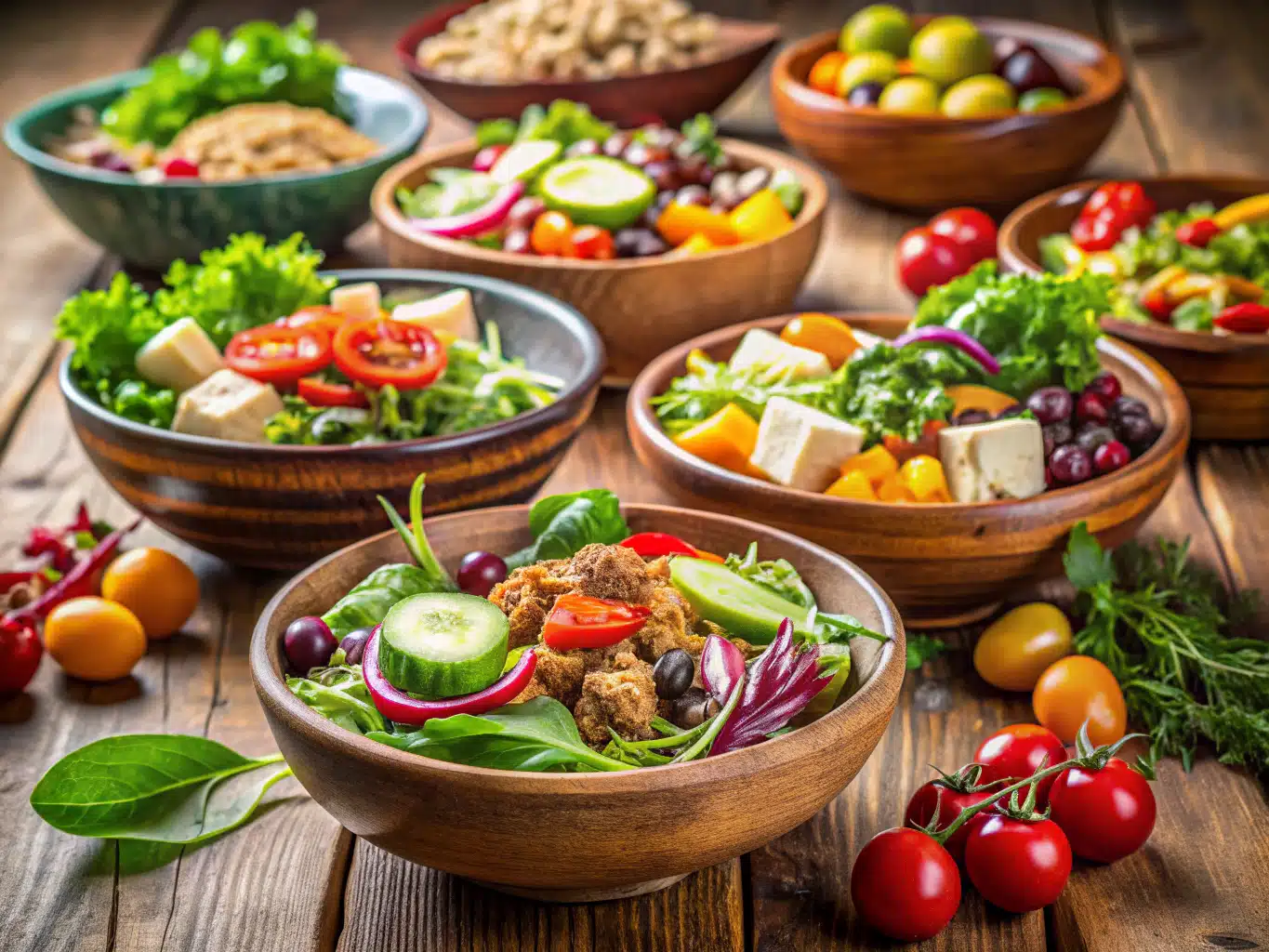
Few things get my wheels turning like a giant, hearty bowl of greens mixed with vibrant veggies, juicy proteins, and a good punchy dressing. Growing up in rural Georgia, salads weren’t exactly the headline act of dinner—but they always played backup. Aunt Clara’s “three-bean special” or my mom’s creamy cucumber dill salad added some much-needed freshness to rich Southern spreads. But when I moved to Austin and started playing with flavors from all over the world, I realized healthy salad bowls could be so much more than a side—they could be the whole dang show.
These days, I’m blending that old-school soul food comfort with modern-day ingredients to create salad bowls that are as tasty as they are nourishing. Whether I’m chopping up roasted beets for a quick dinner or layering avocado and lime over greens with leftover steak, I believe a good salad bowl should never feel like a compromise. In this article, I’ll walk you through how to build healthy salad bowls that are colorful, satisfying, and never boring—with easy variations, flavorful protein options, and smart dressings. Ready to make salad the reason you show up at the dinner table? Let’s dig in.
A Fresh Take on Healthy Salad Bowls
Why Healthy Salad Bowls Work for Any Lifestyle
A healthy salad bowl isn’t just a healthy meal—it’s a canvas for creativity. Whether you’re following a plant-based diet, keto, Mediterranean, or none of the above, a salad bowl adapts perfectly. The big advantage? Layering flavors and textures lets you sneak in tons of variety without sacrificing nutrition. It’s about finding balance.
The secret to a truly crave-worthy salad bowl is contrast—crunchy and creamy, sweet and tangy, raw and roasted. Try spicy arugula next to buttery avocado, or juicy oranges with salty nuts. And if you’re pressed for time during the week, bowls like this lend themselves wonderfully to batch-prepping. Just keep wet and dry ingredients separate until you’re ready to eat.
Having favorite bowl templates also speeds up weekday prep. For instance, I love throwing together a rainbow salad when I want something quick-packed with colorful veggies, or using a chunky kale salad as a hearty base when I need something filling with fiber.
Let Flavor Lead the Way
Let’s be honest: nobody sticks to healthy eating when it’s bland or feels like a chore. That’s why seasoning and layering flavors is key in making healthy salad bowls satisfying and craveable. Think beyond salt and pepper. A splash of vinegar, a squeeze of citrus, fresh herbs, spice blends, or even fermented foods can bring your bowl to life.
One favorite trick of mine? Incorporating global flavors—grab inspiration from Thai peanut sauces, Moroccan spices, or Mediterranean dressings like the one you’ll find in this Greek salad. You can even turn viral pasta salad trends into fresh bowl-style meals. A zesty yogurt-based dressing or spicy chili crisp oil are excellent finishing touches.
Building the Perfect Salad Bowl: Ingredients, Timing, and How-To
Ingredient Essentials for Healthy Salad Bowls
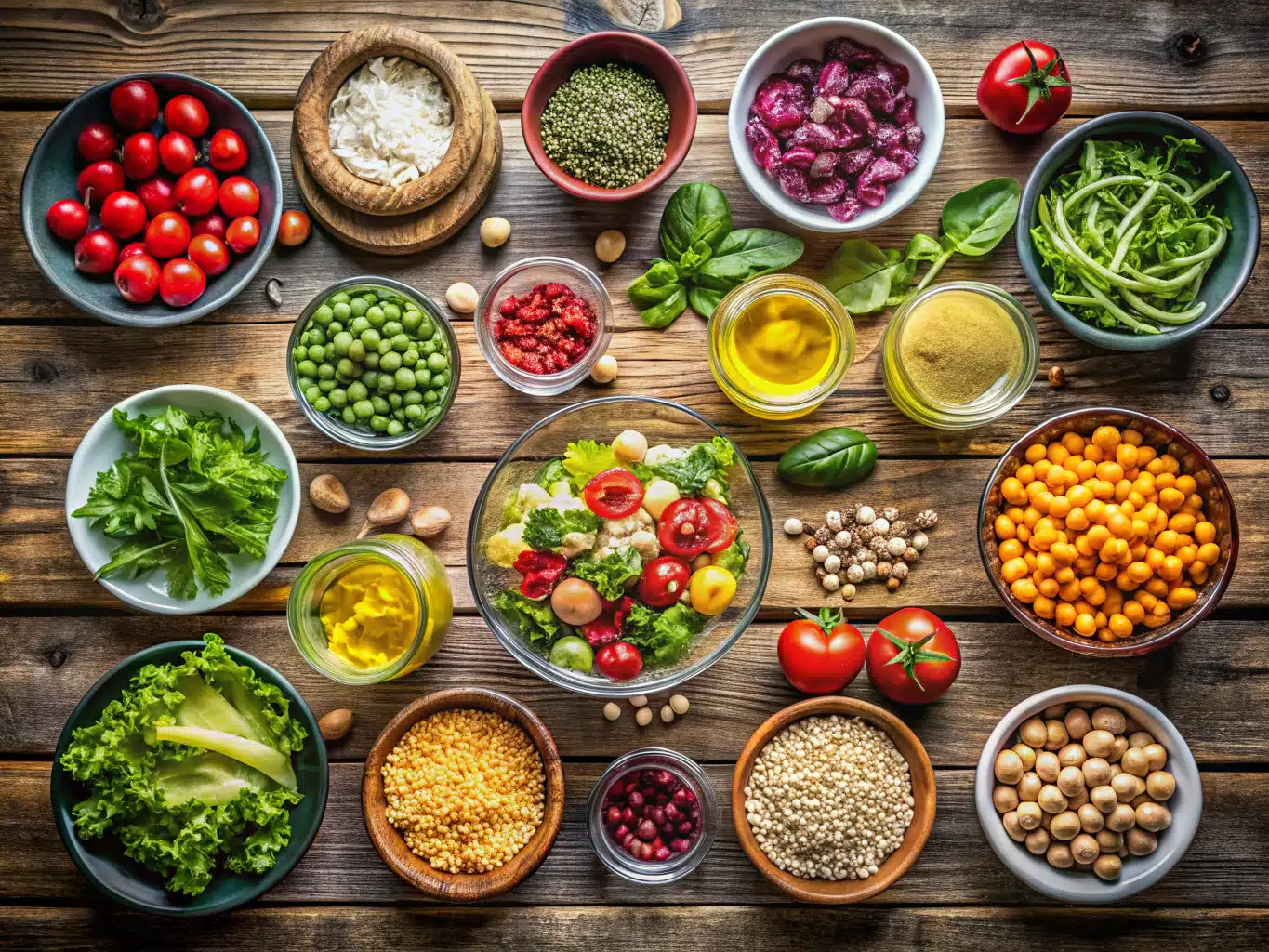
The best salad bowls start with three essentials: a hearty base, flavorful add-ins, and a balanced dressing.
Base Options:
- Leafy greens: spinach, arugula, kale, mixed mesclun
- Grains: quinoa, farro, bulgur, couscous
- Legumes: lentils, chickpeas, black beans
Filling Add-Ins:
- Colorful veggies (roasted beets, shredded carrots, corn, bell peppers)
- Crunchy nuts/seeds (pumpkin seeds, almonds, walnuts)
- Fruits (apples, berries, grapes, oranges)
- Cheese (goat cheese, feta, parmesan)
Protein Boosters:
- Grilled chicken, salmon, tofu, steak strips, edamame
- For a meatless option, try this lentil salad—a powerhouse of protein and texture.
- Or experiment with beet-and-goat-cheese salad for a rich, earthy flavor combination.
Dressing Strategies:
- Use olive-oil-based vinaigrettes for healthy fats
- Add yogurt or tahini for creaminess without the guilt
- Spice it up with garlic, lemon, fresh herbs, or grainy mustard
Want to up your prep game? Try this simple salad spinner from Amazon to get your greens crisp and dressing-ready in seconds.
Prep & Timing Breakdown
Healthy salad bowls are quick to pull together and even faster if you prep components ahead.
| Step | Time |
|---|---|
| Prep greens and chop veggies | 10 minutes |
| Cook grains or protein (optional) | 15–20 minutes |
| Mix dressing and assemble bowl | 5 minutes |
Total Time: ~25–35 minutes (less if components are prepped)
Step-by-Step: Build It Like a Pro
- Wash and dry your greens. A salad spinner helps keep greens crisp.
- Roast or prepare any protein or hearty veggies. Season generously.
- Cook grains like quinoa using a nonstick saucepan for even texture.
- Whisk your dressing or shake it up in a portable dressing mixer bottle.
- Layer ingredients: start with grains or greens, add proteins/veggies/fruits, top with seeds, nuts, and cheese.
- Drizzle the dressing just before serving to keep it fresh.
Keep containers like these leak-proof lunch boxes on hand for easy weekday assembly.
Mix-N-Match Combos to Keep Things Interesting
Strategic Swaps and Flavor Combos
Healthy salad bowls thrive on flexibility. If you’re short on ingredients, substitute wisely with what’s in the fridge. Don’t have sweet potatoes? Use roasted carrots. Missing feta? Crumble goat cheese. No avocados? Try hummus for creamy texture.
Some top-performing combinations from my own kitchen include:
- Sweet + salty: apples, walnuts, feta (like in this apple walnut salad)
- Earthy + tangy: beets, goat cheese, balsamic drizzle
- Zesty + creamy: lime-marinated chicken, avocado, chipotle yogurt
When I’m craving autumn vibes, the seasonal harvest salad with roasted squash and cranberries hits the spot every time.
Protein Variety for Every Diet
Protein is key to keeping your salad bowl filling. Even plant-based diets have diverse and nutritious choices. Check out this satisfying steak salad if you’re craving something meaty. For vegetarians or flexitarians, eggs, chickpeas, or nuts offer plenty of options.
Here’s a sample guide:
| Protein | Serving Size |
|---|---|
| Grilled Chicken | 4 oz, ~28g protein |
| Quinoa | 1 cup cooked, ~8g protein |
| Hard-Boiled Eggs | 2 eggs, ~12g protein |
For nutritional guidance, the USDA’s ChooseMyPlate program offers helpful insights on protein needs.
Smart Dressing Choices & Storage Hacks
Healthiest Dressings for Salad Bowls
Store-bought dressings can sneak in loads of sugar and preservatives. Making your own is a breeze—and healthier.
Try these combos:
- Lemon + olive oil + garlic
- Yogurt + dill + lemon zest
- Balsamic vinegar + mustard + maple syrup
- Tahini + lemon + cumin
A good handheld food processor whips up dressings in seconds and blends ingredients super smooth.
Looking for something creamy but still clean? Use Greek yogurt instead of mayo for a lighter taste and healthier fats.
How to Store Salad Bowls for Meal Prep
Meal prepping salad bowls is a great way to eat healthy during the week. Use layered storage techniques:
- Put hearty ingredients on the bottom (quinoa, beans)
- Add roasted veggies or proteins in the middle
- Finish with greens and toppings at the top
Use divided salad containers to separate wet and dry ingredients and ensure maximum freshness. Store dressings in a side compartment or in tiny mason jars until ready to mix.
Need to keep salad cold on the go? I use this freezable lunch tote that keeps things cool for hours without an ice pack.
FAQ Section
How do you build a healthy salad bowl that is filling?
Start with a hearty base (grains, legumes), layer in proteins (chicken, eggs, tofu, quinoa), and include fiber-rich veggies. Top with healthy fats like avocado or nuts to keep hunger at bay.
What are some protein options for healthy salad bowls?
Grilled chicken, salmon, tuna, tofu, boiled eggs, edamame, chickpeas, lentils, and nuts are all excellent protein choices. Choose based on your dietary needs and flavor preferences.
What dressings are healthiest for salad bowls?
Look for vinaigrettes made with olive oil and vinegar or citrus. Skip creamy store-bought dressings with added sugars. Homemade yogurt-based or tahini dressings offer creaminess with cleaner ingredients.
What are easy healthy salad bowl ideas for lunch?
Try a Greek grain bowl, chicken avocado bowl, Mediterranean chickpea bowl, or a summer fruit + walnut salad. Aim for color, crunch, and protein with easy-prep ingredients like rotisserie chicken or canned beans.
Conclusion
Healthy salad bowls aren’t just diet food—they’re craveable, colorful, and endlessly creative meals you’ll look forward to. By switching up your bases, experimenting with proteins, and playing with global flavor profiles, you can build bowls that truly satisfy. Whether you’re meal-prepping for the week or tossing something together last-minute, making a bold, delicious salad bowl is easy and rewarding.
Don’t settle for limp greens ever again. With bold dressings, satisfying textures, and nourishing ingredients, salad can be the star of your table every single time. Keep a few essentials, like airtight containers, kitchen scales, and a good set of chef’s knives, on hand to make prep seamless. Ready to build your next favorite bowl? Your tastebuds—and your health—will thank you.
Print
Healthy Salad Bowls: Colorful, Filling, and Packed with Flavor
- Total Time: 30 minutes
- Yield: 2 bowls
Description
A vibrant, customizable salad bowl that’s both nutritious and satisfying—perfect for any lifestyle or dietary preference.
Ingredients
Leafy greens (spinach, arugula, kale)
Cooked grains (quinoa, farro, couscous)
Legumes (chickpeas, black beans, lentils)
Roasted veggies (beets, carrots, bell peppers)
Fruits (apples, oranges, grapes)
Crunchy toppings (nuts, seeds)
Cheese (feta, goat cheese)
Protein (grilled chicken, tofu, salmon)
Dressing of choice (vinaigrette, yogurt-based, tahini)
Instructions
1. Wash and dry greens using a salad spinner.
2. Roast veggies and prepare proteins with desired seasoning.
3. Cook grains such as quinoa or couscous until fluffy.
4. Mix or shake up your dressing.
5. Layer ingredients in a bowl starting with grains/greens.
6. Top with fruits, nuts, cheese, and proteins.
7. Drizzle dressing just before serving.
8. Store leftovers using layered container techniques.
Notes
Customize with global flavors like Moroccan spices or Thai peanut dressing.
Keep wet and dry ingredients separate for meal prep.
Use hummus or yogurt for a creamy texture without mayo.
Try seasonal swaps like squash or cranberries.
- Prep Time: 10 minutes
- Cook Time: 20 minutes
- Category: Salad
- Method: No-Cook / Roasted
- Cuisine: Fusion
Nutrition
- Serving Size: 1 bowl
- Calories: 450
- Sugar: 8g
- Sodium: 300mg
- Fat: 18g
- Saturated Fat: 4g
- Unsaturated Fat: 12g
- Trans Fat: 0g
- Carbohydrates: 40g
- Fiber: 9g
- Protein: 22g
- Cholesterol: 30mg
Keywords: healthy salad bowl, customizable, protein-rich, meal prep