
Disclosure: This post may contain affiliate links. As an Amazon Associate, we earn from qualifying purchases—at no extra cost to you.
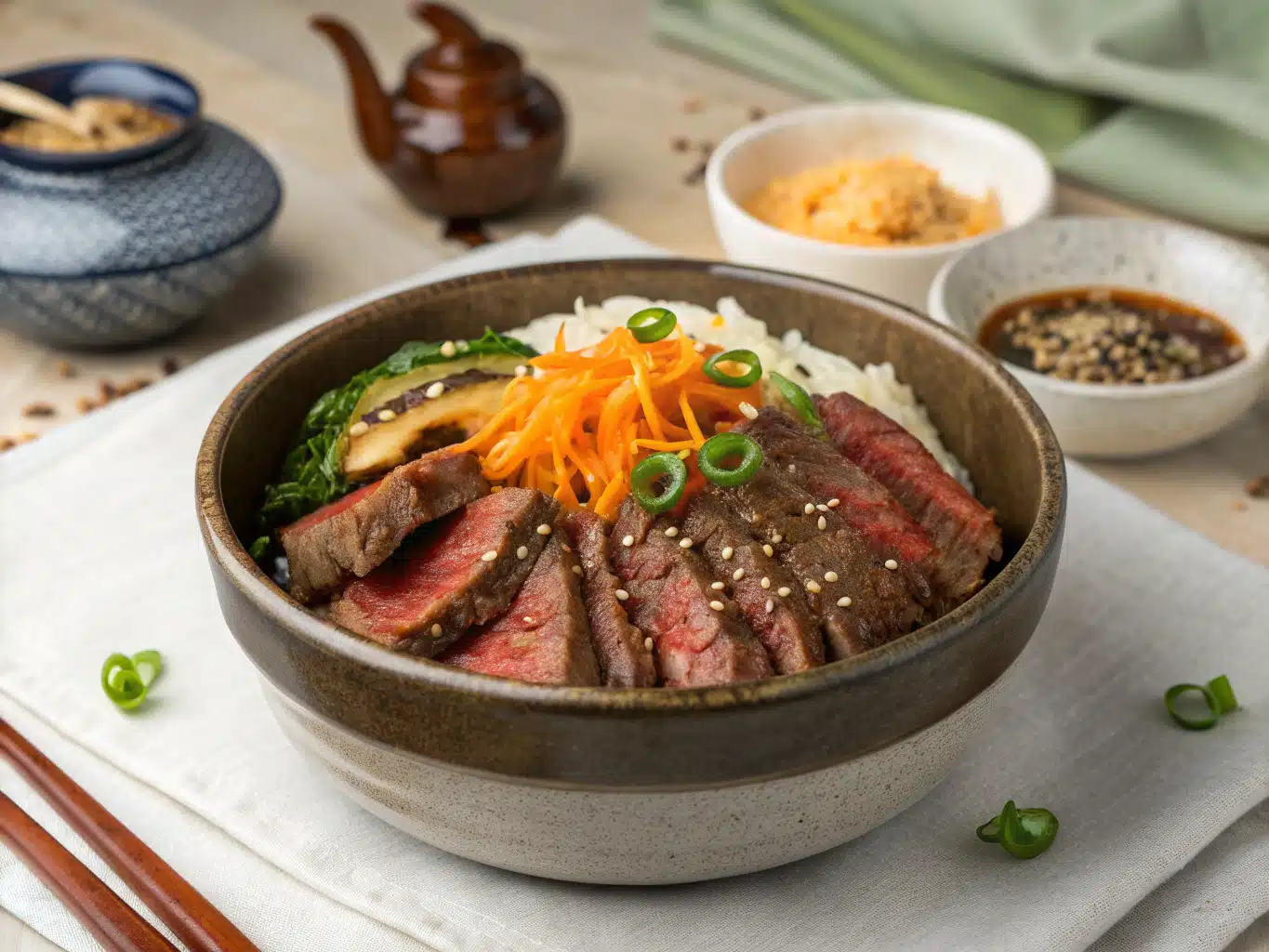
Korean beef isn’t just a recipe—it’s an experience packed with deep, savory-sweet flavors, sizzling aromas, and cultural richness. In this article, I’ll walk you through how to create authentic-tasting KOREAN BEEF right in your home kitchen. From a personal story to ingredient breakdowns, step-by-step instructions, and juicy FAQs, you’ll walk away ready to whip up this flavor-packed dish any night of the week. Whether you’re new to Korean cooking or simply craving something bolder for dinner, KOREAN BEEF is a must-try.
A Southern Chef’s First Bite of Seoul
How Korean Beef Found Its Way to My Texas Kitchen
The first time I tasted KOREAN BEEF, I was standing under a paper lantern in a bustling Korean eatery in Houston. I remember the sizzle of bulgogi hitting the grill, the unmistakable aroma of garlic and sesame oil, and that rich, caramelized bite that made me pause mid-chew. It brought me right back to those community potlucks in Georgia—different ingredients, but the same passion.
Back in Austin, I just had to recreate it. I started experimenting using thin-sliced ribeye, soy sauce, sugar, and pear juice for tenderizing. Little by little, I twisted it into something familiar yet adventurous, just like my version of Mongolian beef, where bold meets comfort. And just like that, KOREAN BEEF nestled itself into my regular rotation—right alongside smoky ribs and peppery steaks.
The Secret Behind the Sizzle
When people talk about KOREAN BEEF, they usually mean bulgogi—a marinated beef dish grilled to perfection or sometimes pan-fried for quick weeknights. What makes it shine is the balance. It’s umami-rich without being too salty, sweet but still savory, tender yet seared with crispy edges. Ingredients like gochujang (Korean red chili paste), sesame oil, and fresh garlic do the heavy lifting.
Much like my spin on pepper steak, I try to take traditional elements and add just the right amount of Texas soul. Whether you serve it over rice, tuck it into lettuce wraps, or pair it with kimchi mac and cheese (yes, I said it), Korean beef encourages playful, flavorful cooking.
Building the Perfect Korean Beef
Ingredients List
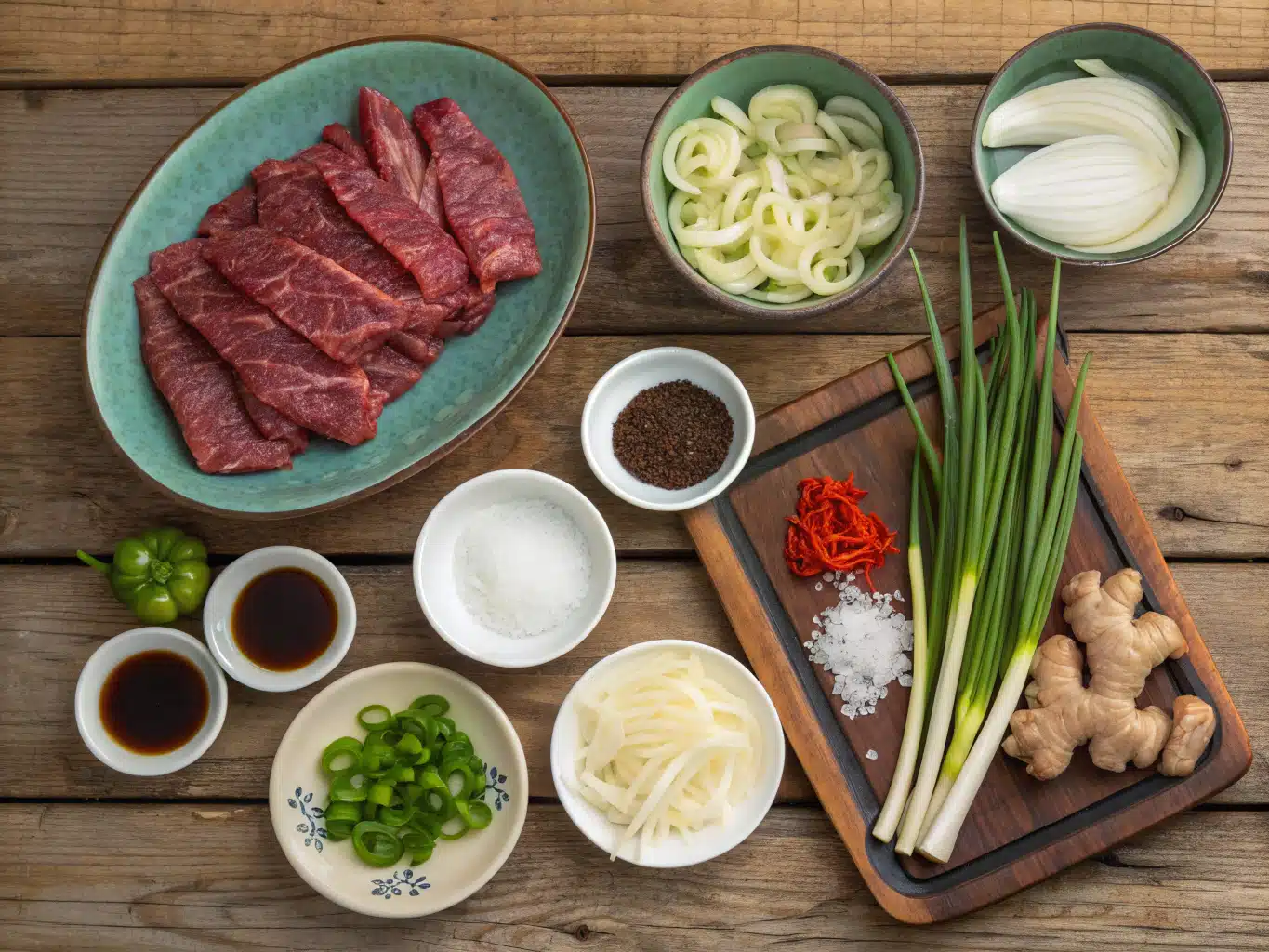
Let’s dive into what makes Korean beef so unforgettable. You don’t need hours or hard-to-find ingredients—just powerful flavors pulled together.
| Ingredient | Substitution Tip |
|---|---|
| 1 lb thinly sliced beef ribeye | Use sirloin or flank steak if needed |
| ¼ cup soy sauce | Tamari for gluten-free option |
| 2 tbsp brown sugar | Use honey for natural sweetness |
| 2 tbsp sesame oil | Toasted variety adds deeper flavor |
| 1 Asian pear (grated) | Use apple + bit of vinegar if needed |
| 4 garlic cloves (minced) | No sub—it’s essential! |
| 1 tbsp gochujang (optional for spice) | Skip or use chili garlic paste |
Don’t forget green onions for garnish and steamed rice or lettuce leaves for serving.
Timing Matters
From prep to plate, KOREAN BEEF is quicker than you’d think.
- Prep time: 15 minutes
- Marination time: 30 minutes (or overnight for richer flavor)
- Cook time: 10 minutes
- Total time: Around 55 minutes
At just under an hour, it’s quicker than beef stew, which typically takes two hours or more. That speed, paired with bold flavor, makes it weeknight magic.
Step-by-Step Instructions
- In a bowl, whisk together soy sauce, brown sugar, sesame oil, grated pear, garlic, and gochujang.
- Toss the thinly sliced beef into the marinade, coating every bit.
- Let it chill—30 minutes does the job, but overnight is optimal for deep flavor.
- Heat a cast-iron skillet or grill pan over high heat. Let it get blazing hot.
- Add beef in batches to avoid overcrowding. Sear each slice 1–2 minutes per side until caramelized.
- Serve hot over rice or in lettuce wraps. Garnish with green onions and sesame seeds.
Pro Chef Tip: Freeze the beef 30 minutes before slicing. It’ll make getting those paper-thin, easy-to-fry slices a breeze.
Korean Beef Through the Cultural Lens
Why Korean Beef Remains a Staple
KOREAN BEEF is more than a recipe—it’s tied to memory, family, and celebration in Korean homes. Recipes differ from region to region, varying in spice levels and sweetness, but all hold a common goal: nourishment with soul. That’s what drew me to replicate and reinterpret it, much like my spiced-up twist on tandoori chicken.
According to Nutrition.gov, lean cuts like sirloin or trimmed ribeye—which you can use in this dish—align with heart-healthy eating when portioned right. It’s proof that bold flavor doesn’t have to mean guilt.
Flavors That Inspire Fusion
My philosophy? If food doesn’t excite you while cooking, you’re missing the point. Korean beef lets you play. I’ve tossed thin bulgogi strips into street tacos. I’ve even stirred in pan-seared bites to fried rice spiked with sesame and scallions.
Some of these hybrid ideas stemmed from experiments with teriyaki chicken—another dish where sweetness balances umami. That’s what makes Korean beef a global cook’s dream: you can stay authentic or mix it up, knowing the base flavors always deliver.
Serving, Pairing, and Reimagining Korean Beef
Party Platter or Weeknight Hero
There are endless ways to serve KOREAN BEEF. Want to impress guests? Create a DIY Korean BBQ board with lettuce wraps, rice, pickled veggies, and chili sauces. Want a quick solo meal? Grab leftover bulgogi and use it in sandwiches or noodle bowls. It heats beautifully and adapts well across dishes.
Inspired by hibachi chicken, I sometimes do a tabletop griddle version. Let friends grill their own meat and wrap it with prepared veggies. It turns dinner into an experience.
Make-Ahead, Stove-Top, or Instant Pot?
Reheating leftovers? Do it over the stove on medium-high for that re-crisp along the edges. Microwaving works if you’re in a rush but won’t match the flavor pop.
Freezing? Totally doable. Just portion into freezer bags and thaw overnight before reheating.
If you love the easy magic of Instant Pot chicken thighs, try making a sauce-only batch in the IP on sauté mode, add meat, stir, and you’ve got a one-pot winner.
FAQs
What is Korean style beef?
Korean style beef typically refers to thinly sliced cuts—often ribeye or sirloin—marinated in a mixture of soy sauce, sugar, garlic, sesame oil, and pear. It’s usually grilled or pan-seared and packed with sweet-savory, umami-rich flavor.
What is special about Korean beef?
Korean beef, especially the premium variety known as Hanwoo, is prized for its fine marbling, tenderness, and slightly sweet flavor profile. Marination techniques unique to Korean cuisine bring out hidden depths in the beef, marrying texture with complex taste.
Why can’t Hanwoo beef be sold in the US?
Hanwoo beef is heavily regulated within South Korea. It’s rare, expensive, and currently restricted from international export due to strict agricultural controls, trade policies, and a desire to preserve the domestic market.
Is Korean beef the same as wagyu?
Not exactly. While both are known for impressive marbling and tenderness, Wagyu originates from Japan, and Hanwoo from Korea. Taste-wise, Wagyu tends to be richer and more buttery, while Korean beef has a leaner, beefier profile paired with bold seasonings unique to Korean cuisine.
Conclusion
If you’ve never tried KOREAN BEEF before, now’s the moment to dive in headfirst. With simple ingredients and a short cooking time, it’s an accessible dinner that packs a punch. Whether you go traditional or try one of my fusion spins, Korean beef proves that food doesn’t need to be complicated to be extraordinary.
Let it sizzle, let it speak, and most of all—let it nourish those you love. Looking for more savory, saucy ideas? My personal favorite twist is combining this with the sweet heat found in honey garlic chicken—a flavor hybrid worth exploring. Stay bold in the kitchen, friends!
Print
Korean Beef: Bold Flavor from Seoul to Your Stove
- Total Time: 55 minutes
- Yield: 4 servings 1x
Description
Deeply savory-sweet marinated beef, sizzling with garlic, sesame oil, and a Texas twist on classic Korean bulgogi—quick, bold, and unforgettable.
Ingredients
1 lb thinly sliced beef ribeye
1/4 cup soy sauce
2 tbsp brown sugar
2 tbsp sesame oil
1 Asian pear (grated)
4 garlic cloves (minced)
1 tbsp gochujang (optional for spice)
Green onions (for garnish)
Steamed rice or lettuce leaves (for serving)
Instructions
1. In a bowl, whisk together soy sauce, brown sugar, sesame oil, grated pear, garlic, and gochujang.
2. Toss the thinly sliced beef into the marinade, coating every bit.
3. Let it chill—30 minutes does the job, but overnight is optimal for deep flavor.
4. Heat a cast-iron skillet or grill pan over high heat. Let it get blazing hot.
5. Add beef in batches to avoid overcrowding. Sear each slice 1–2 minutes per side until caramelized.
6. Serve hot over rice or in lettuce wraps. Garnish with green onions and sesame seeds.
Notes
Freeze beef 30 minutes before slicing to get thin slices easily.
Pairs great with kimchi, pickled veggies, or fusion ideas like bulgogi tacos.
Freezer-friendly—just portion and thaw before reheating.
Stove reheating keeps crisp edges; microwave for speed only.
- Prep Time: 15 minutes
- Cook Time: 10 minutes
- Category: Dinner
- Method: Grill or Pan-fry
- Cuisine: Korean
Nutrition
- Serving Size: 1 cup
- Calories: 320
- Sugar: 7g
- Sodium: 680mg
- Fat: 18g
- Saturated Fat: 5g
- Unsaturated Fat: 11g
- Trans Fat: 0g
- Carbohydrates: 14g
- Fiber: 1g
- Protein: 26g
- Cholesterol: 65mg
Keywords: Korean beef, bulgogi, easy dinner, spicy beef, Asian cuisine