
Disclosure: This post may contain affiliate links. As an Amazon Associate, we earn from qualifying purchases—at no extra cost to you.
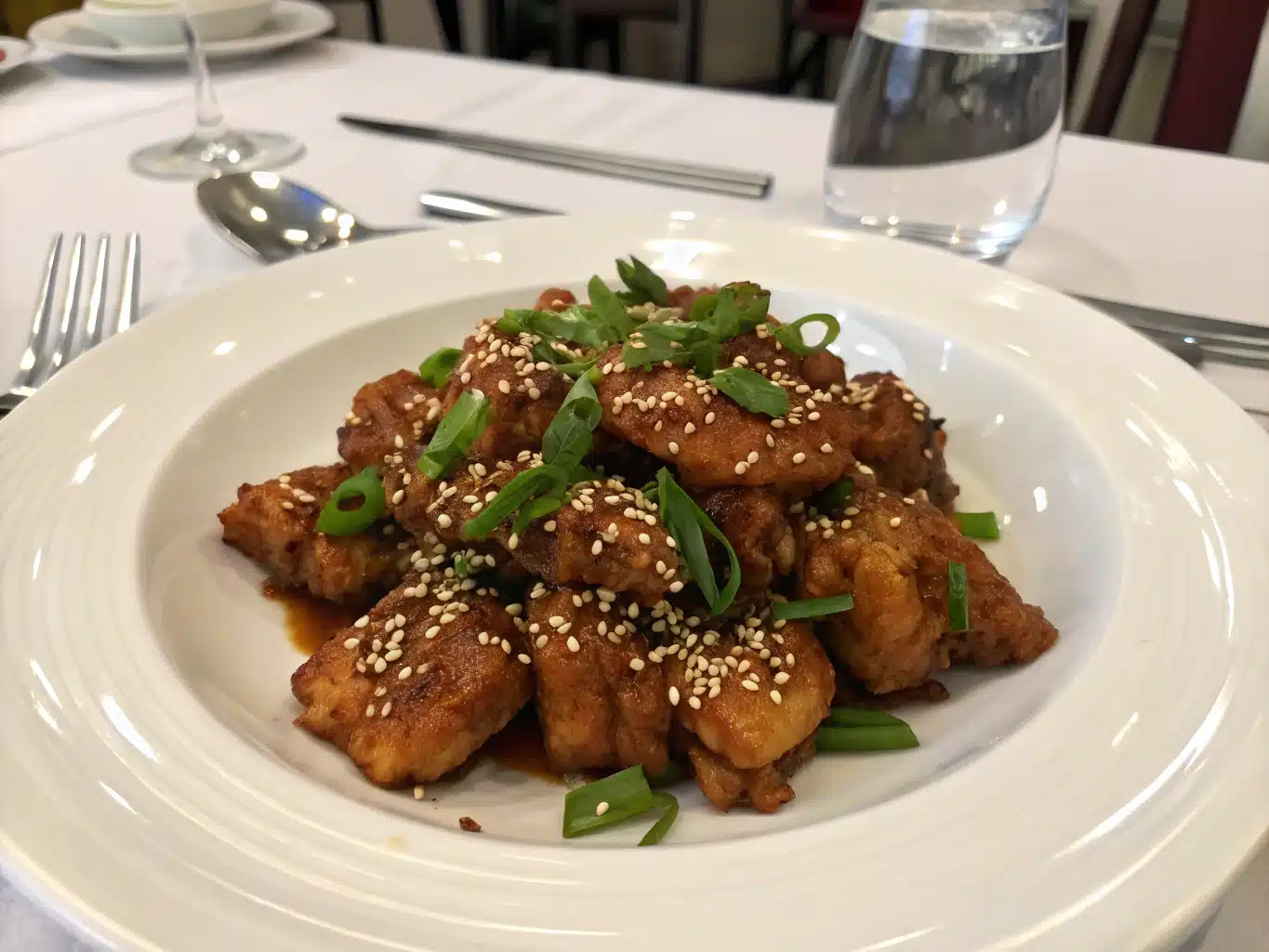
Sesame chicken holds a special place in my heart. I still remember the first time I tried it—not at a fancy restaurant, but at a tiny family-run Chinese takeout spot in downtown Atlanta. I had just finished a triple shift in culinary school in New Orleans and needed something fast, hot, and comforting. I wasn’t expecting much, but that sticky-sweet, sesame-kissed crunch made my taste buds light up like Times Square. Fast-forward a few decades, and I’m in my Austin kitchen bringing that same flavor memory to life—with my own twist.
This article dives deep into what makes sesame chicken such a beloved takeout classic and exactly how you can make it shine at home. I’ll break down the steps with sensory-rich instructions, share topping swaps and kitchen hacks, and even show how it compares to similar dishes like General Tso’s or orange chicken. Whether you’re mastering your first skillet or feeding a crowd, this sesame chicken recipe will spark joy, stir up memories, and maybe even become your new go-to.
Nostalgic Meets Modern: Why Sesame Chicken Still Reigns
A Comforting Bite from Every Era
No dish screams classic Chinese-American comfort quite like sesame chicken. It’s a culinary mashup layered with crispy fried chicken, coated in a glossy, soy-forward sauce with a caramelized touch of honey and toasted sesame seeds. People love it for the balance—it’s not overly spicy like General Tso’s, and it doesn’t lean too citrusy like orange chicken. It hits that sweet-umami note that satisfies everyone at the dinner table.
I find sesame chicken to be the dish that draws folks out of their comfort zones—especially those new to Chinese takeout flavors. There’s a reason you’ll almost always find it on the menu: it’s a reliable crowd-pleaser. The golden crisp, the touch of sweetness, and of course, that nutty crunch of toasted sesame—it’s as memorable as the family recipes we grew up with.
Why You Should Make Sesame Chicken at Home
We’ve all ordered sesame chicken from our favorite spot, but have you ever cooked it from scratch? Once you realize how straightforward it is, you’ll question those $12 takeout containers forever. Making it at home means total control: you pick the spice level, the cut of chicken, and even amp up the sesame seed portion to double-crunch territory. Plus, it’s often far healthier when pan-fried or baked instead of deep-fried.
If you’re already a fan of dishes like teriyaki chicken or tandoori chicken, this sesame chicken recipe belongs right in your kitchen playbook. It’s a flavorful leap between tradition and creativity. With only a few pantry ingredients and quick frying techniques, you’ll land on a dish that tastes just as bold as it looks.
Let’s Cook: Sesame Chicken Ingredients, Prep & Tips

Essential Ingredients List & Swaps
The beauty of sesame chicken? The ingredients are familiar, but the combo transforms them into something crave-worthy. Here’s what you need to nail it.
| Ingredient | Substitution |
|---|---|
| Boneless Chicken Thighs | Chicken breast or tofu |
| Soy Sauce | Tamari or coconut aminos |
| Cornstarch | Potato starch |
| Garlic | Shallots or garlic paste |
| Sesame Seeds | Crushed peanuts for crunch |
Timing Breakdown: Fast & Flavorful
The whole process doesn’t stretch long—just enough time to build flavor without testing your patience.
- Prep Time: 15 minutes
- Cook Time: 20 minutes
- Total Time: 35 minutes
That’s about 25% faster than most deep-fried recipes. By cutting the chicken into smaller chunks and prepping the sauce during your marination phase, this becomes a true weeknight warrior.
Step-By-Step Instructions
Step 1: Marinate
Dice your chicken into bite-sized pieces and toss with soy sauce, garlic, and a bit of cornstarch. Let it sit for 10–15 minutes while you prepare the sauce.
Step 2: Make the Sesame Sauce
In a bowl, whisk together soy sauce, brown sugar, rice vinegar, sesame oil, garlic, and a splash of water. Adjust to your taste—some like it sweeter, others saltier.
Step 3: Pan Fry for Maximum Crisp
Heat oil in a non-stick skillet over medium-high. Fry the marinated chicken until golden on all sides—about 6–8 minutes. Don’t overcrowd the pan.
Step 4: Combine & Caramelize
Add the sauce right into the skillet. It’ll bubble quickly—watch it coat the chicken and thicken within 2–3 minutes. Stir constantly to prevent burning.
Step 5: Garnish & Serve
Sprinkle with toasted sesame seeds, green onions, and serve over rice or chicken fried rice for extra satisfaction.
For an extra nutrition punch, check out this USDA page on dietary protein needs to round out your meal smartly.
Let’s Talk Flavor and Texture
What Does Sesame Chicken Taste Like?
Think sweet and savory with a nutty echo in the background. The first thing you notice is the light crunch of that golden crust, followed by a warm, garlicky soy glaze that clings to each bite. It’s not overtly spicy, which makes it accessible to younger eaters and spice-sensitive palates alike.
What makes sesame chicken interesting isn’t just the sugary glaze—it’s how it interacts with the sesame oil base and seared proteins. That’s why I often pair it with subtle starches or veggies to keep the bite balanced. Think broccoli, jasmine rice, or simple noodles.
Crispy vs. Sticky: The Texture Game Explained
To get that perfect “crispy-sticky” consistency, timing is everything. Fry the chicken until just crunchy, then add the sauce while it’s still hot. This ensures the sauce doesn’t over-soak but caramelizes slightly around the edges.
You can get great results even when baking or air-frying—especially if you use chicken thigh recipes as a base since thighs retain moisture beautifully. Just lightly coat the pieces in oil and crank up the broiler at the end for added char.
Need more inspiration? Try a twist by subbing in honey garlic chicken sauce for a mellower depth—or swap chicken entirely for Mongolian beef vibes.
Similar But Not the Same: Comparing Classics
Difference Between General Tso’s, Orange and Sesame
These three often sit back-to-back on menus, but they have distinct flavor profiles that are worth recognizing.
- General Tso’s: Typically spicier with chili flakes or Sichuan peppers. Also slightly darker due to hoisin sauce.
- Orange Chicken: Features citrus notes using real orange juice or zest.
- Sesame Chicken: Sweeter and nuttier, usually with no heat component.
They all utilize a similar cooking method (coated, fried, glazed), but it’s the sauce that defines them. If you love intensity, go General. Crave brightness? Orange is your ticket. Want a mellow, sweet baseline with crunch? Sesame chicken all day.
Where to Serve and How to Plate Sesame Chicken
Sesame chicken is incredibly versatile—serve it at weeknight dinners, weekend gatherings, or as part of a potluck spread. I like to plate it on a neutral rice base and top with a flurry of sesame seeds, scallions, and even a drizzle of chili oil for adventurous eaters. It also holds up well in meal prep boxes and is easily reheated for lunch.
Pair it with simple, creamy slaws or sautéed green beans. Better still, echo the sesame flavor in a side dish using tahini-infused noodles. I once served it alongside my favorite garlic parmesan chicken and it made a delicious East-meets-West combo that had people talking for days.
FAQ: All About Sesame Chicken
What’s the difference between General Tso’s and sesame chicken?
General Tso’s is spicier and heavier in hoisin sauce, while sesame chicken is milder, sweeter, and finishes with toasted sesame for extra nuttiness.
What are the ingredients of sesame chicken?
Core ingredients include boneless chicken (thigh or breast), soy sauce, sesame oil, brown sugar or honey, vinegar, garlic, and cornstarch. Optional garnishes include sesame seeds and green onions.
How is sesame chicken different from orange chicken?
Orange chicken uses orange zest or juice for a bright, citrusy kick. Sesame chicken is centered on balance—sweet, nutty, and gently savory without overwhelming spice or citrus notes.
What does sesame chicken taste like?
It tastes warm, garlicky, a little sweet, and toasty thanks to sesame oil and seeds. The texture is crisp on the outside with a sticky, flavorful glaze.
Conclusion: A Dish Worth Mastering
Sesame chicken may look deceptively simple, but it’s one of the most rewarding dishes to make at home. Its flavor bursts with every bite—crispy, saucy, and satisfyingly sweet with just enough savory to balance it all out. Plus, you’ll save time and money compared to ordering out. Once you’ve nailed the technique, use this dish as a launchpad to try your own combinations by incorporating new spice levels or global flavors.
Whether paired with tandoori chicken for a wild fusion night or added to your weekly rotation, this sesame chicken recipe hits all the right notes. Dive in, mix it up, serve it hot, and relish every last sesame-crusted bite.