
Disclosure: This post may contain affiliate links. As an Amazon Associate, we earn from qualifying purchases—at no extra cost to you.

When I think about anti-inflammatory meals, I remember the first time I swapped out my go-to Southern fried chicken for a turmeric-roasted cauliflower bowl. Back home in Georgia, inflammation wasn’t something folks talked about—it was just “tired joints” or “a bad back.” But when I started tweaking recipes to fit anti-inflammatory guidelines, I realized these foods weren’t just healthy—they were delicious. Think vibrant colors, bold spices, satisfying textures. These meals help your body feel better and work better. And they don’t require you to give up flavor or tradition.
This article walks you through smart, satisfying ways to build anti-inflammatory meals. We’ll cover ingredients, go-to recipes, practical cooking tips, and common questions so you can enjoy each bite knowing it’s doing your body good.
Why Anti-Inflammatory Meals Work (and Taste Great)
What Is Inflammation, Really?
Let’s break it down: inflammation is your body’s way of dealing with stress, injury, or harmful invaders. But when it hangs around too long—like with poor diet, stress, or pollution—it begins to damage healthy cells. That’s where anti-inflammatory meals come in. Loaded with antioxidants, fiber, and essential fatty acids, these meals calm the immune system instead of setting it on fire.
A consistent anti-inflammatory diet may support everything from joint health to heart function. The stars of the show? Leafy greens like kale, omega-3s from salmon, colorful veggies, legumes, and anti-inflammatory spices like turmeric and ginger.
Southern Roots, Healthy Twists
Growing up, Sunday dinners meant buttery mashed potatoes, pecan pie, and turkey ham smothered in brown sugar. I still honor those flavors, but now I reshape them into dishes that treat my body right. I might turn that sugary glaze into a balsamic-date reduction on roasted carrots, or turn pie crust into almond oat crumble over baked apples.
You can find these twists in trend-forward dishes like this savory beet salad, packed with vitamin C and fiber, or this refreshing protein-rich Greek salad with anti-inflammatory cucumbers and olives. Meals like these don’t feel like health food—they feel like comfort food with a mission.
Building Delicious Anti-Inflammatory Meals
Ingredients That Pack Power
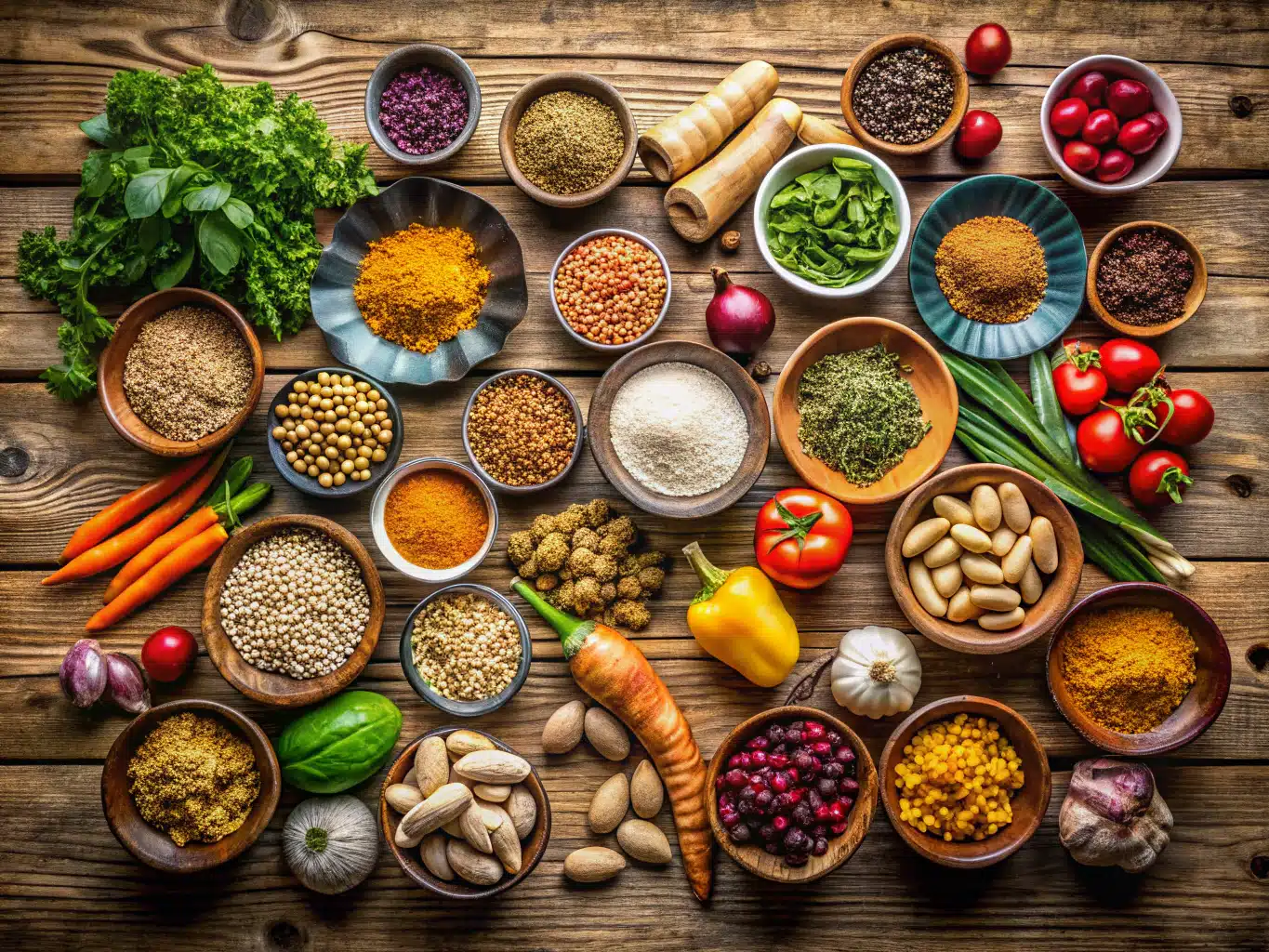
Filling your pantry with anti-inflammatory staples is easier than it sounds. You probably already cook with many of these!
Here’s an ingredient rundown for one of my personal favorites: a turmeric-lentil vegetable bowl.
| Base Ingredient | Anti-inflammatory Properties |
|---|---|
| Red lentils | Rich in fiber and polyphenols that reduce inflammation |
| Turmeric (with black pepper) | Powerful anti-inflammatory due to curcumin |
| Carrots, spinach, and zucchini | High in antioxidants and phytochemicals |
| Garlic and ginger | Natural anti-inflammatory agents that also aid digestion |
Need a protein boost? Toss in wild-caught salmon or chickpeas. Swap lentils for quinoa if you’re short on time. Even cauliflower rice can be a low-carb base that’s gentle on inflammation.
Prep Time That Works for You
Here’s what you’re looking at for the turmeric-lentil veggie bowl:
- Prep Time: 10 minutes
- Cooking Time: 30 minutes
- Total Time: 40 minutes
That’s 20% faster than the average casserole or meat-heavy meal! Plus, this dish stores brilliantly in the fridge and tastes even better the next day.
Step-by-Step Instructions for One of My Go-Tos
- In a large pan, heat 1 tablespoon of avocado oil over medium heat.
- Sauté chopped garlic (2 cloves), fresh ginger (1 tbsp), and diced onions until fragrant.
- Add 1 cup red lentils and 2 cups veggie broth. Stir in 1 tsp ground turmeric, 1/2 tsp black pepper, and a pinch of cinnamon.
- Toss in chopped carrots, zucchini, and baby spinach.
- Cover and simmer for 20–25 mins until lentils are tender and flavors meld.
- Finish with a squeeze of lemon and sprinkle of hemp seeds.
For gear, I use this ceramic non-stick sauté pan because it’s toxin-free and super easy to clean. And don’t forget a good garlic press—you’ll thank me later!
Recipes That Heal and Thrill
Flavor Forward, Always
Anti-inflammatory meals don’t have to be bland or boring. I crank up the flavor using one secret weapon: spices. Turmeric and ginger often share the spotlight, but I also lean into smoked paprika, cardamom, and cloves to layer complex flavor into simple dishes.
Try them out in this lentil soup, which comes together faster than you’d expect and freezes like a dream. And don’t overlook the bright zing of kale salad paired with tahini, lemon, and crushed pistachios—it’s like a flavor wakeup call in a bowl.
To learn more about how turmeric influences inflammation at a cellular level, check this scientific breakdown from the NIH, which digs into how curcumin blocks inflammatory markers in the body.
Weekly Planning Without the Stress
If you’re thinking about planning your week around anti-inflammatory meals, start with 2–3 central dishes that share ingredients. Make a big batch of lentils on Sunday, then reinvent them all week long. Build a taco night with cumin-infused lentils, load them into a buddha bowl, or layer them in a warm pita with tzatziki and spinach.
Here’s a sample framework:
| Day | Meal Idea |
|---|---|
| Monday | Lentil veggie stew with turmeric rice |
| Tuesday | Spinach, avocado & [salmon bowls](https://flavivotrends.com/protein-treats/salmon-bowls/) |
| Wednesday | [Mediterranean-style Greek salad](https://flavivotrends.com/quick-viral-eats/mediterranean-diet-recipes/) with hummus |
Time-saving tip: Use this food storage set to keep meals fresh during the week.
More Than Just Nutrition
Anti-Inflammatory Foods & Weight Management
Here’s a big bonus: anti-inflammatory meals can help support sustainable weight loss. Unlike restriction-based diets, this approach focuses on foods that nourish your body and reduce bloating. Think fiber-packed legumes, healthy fats from nuts and seeds, and low-glycemic carbohydrates like sweet potatoes.
They help curb sugar cravings (thanks, cinnamon and vanilla!), balance blood sugar, and leave you feeling satisfied longer.
I’ve seen it in my own body—just a few weeks of cleaner eating helped reduce bloat and re-energized my mornings.
For sweet treats that still support your health goals, try dark chocolate-chia parfaits or date-based bites using a quality high-speed blender for smooth texture.
Spice Cabinet Secrets
No anti-inflammatory kitchen is complete without these spice essentials:
- Turmeric
- Ginger
- Cumin
- Cinnamon
- Clove
- Paprika
Keep them fresh using this airtight spice storage rack. Spices lose antioxidant power over time, so rotate them regularly.
Use them to season roasted veggies, simmer sauces, enhance soups, or even flavor smoothies.
FAQ: Anti-Inflammatory Meals
What foods lower inflammation?
Foods rich in antioxidants, fiber, and omega-3s help. Think fatty fish, leafy greens, legumes, berries, and spices like turmeric and ginger.
Is an anti-inflammatory diet good for weight loss?
Yes. This eating style promotes fullness, curbs sugar cravings, and reduces water retention—key for sustainable fat loss.
What’s a simple weekly plan?
Batch cook protein (like lentils, beans, or salmon), prep veggies, and rotate meals using similar ingredients. Need ideas? Check the sample plan above!
Which spices are anti-inflammatory?
Top picks: turmeric, ginger, cinnamon, cumin, paprika, and cloves—each with natural inflammation-fighting compounds.
Conclusion
Anti-inflammatory meals aren’t about sacrifice—they’re about stepping into a kitchen full of color, spice, and possibility. Whether you’re building a protein-rich buddha bowl, experimenting with vegetable-forward lentil soup, or making a fresh twist on Greek classics, you’re supporting your body in ways that feel—and taste—amazing.
With just a few key ingredients and a batch-cooking plan, these meals can turn any Tuesday into a celebration of flavor and function. So grab your favorite sauté pan and toss in those golden spices—your body and your taste buds will thank you.
Print
Anti-Inflammatory Meals That Satisfy: Flavor, Function, and Feel-Good Foods
- Total Time: 40 minutes
- Yield: 4 servings 1x
- Diet: Vegan
Description
A comforting, anti-inflammatory turmeric-lentil vegetable bowl packed with flavor, fiber, and healing spices. Perfect for batch-cooking and weeknight meals.
Ingredients
1 tbsp avocado oil
2 cloves garlic, chopped
1 tbsp fresh ginger, minced
1 small onion, diced
1 cup red lentils
2 cups vegetable broth
1 tsp ground turmeric
1/2 tsp black pepper
Pinch of cinnamon
2 carrots, chopped
1 zucchini, chopped
2 cups baby spinach
1/2 lemon, juiced
1 tbsp hemp seeds
Instructions
1. In a large pan, heat avocado oil over medium heat.
2. Sauté garlic, ginger, and onions until fragrant.
3. Add red lentils and vegetable broth.
4. Stir in turmeric, black pepper, and cinnamon.
5. Add chopped carrots, zucchini, and baby spinach.
6. Cover and simmer for 20–25 minutes until lentils are tender.
7. Finish with lemon juice and hemp seeds.
Notes
This dish stores well and tastes even better the next day.
Great with added wild-caught salmon or chickpeas for extra protein.
Use cauliflower rice or quinoa as an alternative base.
- Prep Time: 10 minutes
- Cook Time: 30 minutes
- Category: Dinner
- Method: Stovetop
- Cuisine: Anti-Inflammatory
Nutrition
- Serving Size: 1 bowl
- Calories: 320
- Sugar: 5g
- Sodium: 420mg
- Fat: 10g
- Saturated Fat: 1g
- Unsaturated Fat: 8g
- Trans Fat: 0g
- Carbohydrates: 40g
- Fiber: 12g
- Protein: 15g
- Cholesterol: 0mg
Keywords: turmeric, lentils, vegetables, anti-inflammatory, healthy bowl