Disclosure: This post may contain affiliate links. As an Amazon Associate, we earn from qualifying purchases—at no extra cost to you.
Bone broth isn’t just a trendy superfood—it’s been warming kitchens (and hearts) for generations. If you’re like me, you probably have childhood memories of a simmering pot that filled the house with savory comfort. I remember back home in Georgia, my grandma always had something bubbling on the stove—usually a pot of rich bone broth after Sunday dinners. Back then, I just thought it smelled good. These days, I know it does so much more.
Bone broth is a nutritional powerhouse. Whether you’re using it as a solid base for soup, sipping it to jumpstart your day, or integrating it into your meal prep, it’s versatile, easy to make, and incredibly beneficial. In this guide, we’re diving into what bone broth is, how to make it, why it matters, and how to use it beyond the basics. Plus, I’ll answer the most common questions people ask—and sprinkle in some friendly tips from my own kitchen in Austin, Texas.
Let’s dig in.
Why Bone Broth Is More Than Just Soup
A Nourishing Tradition
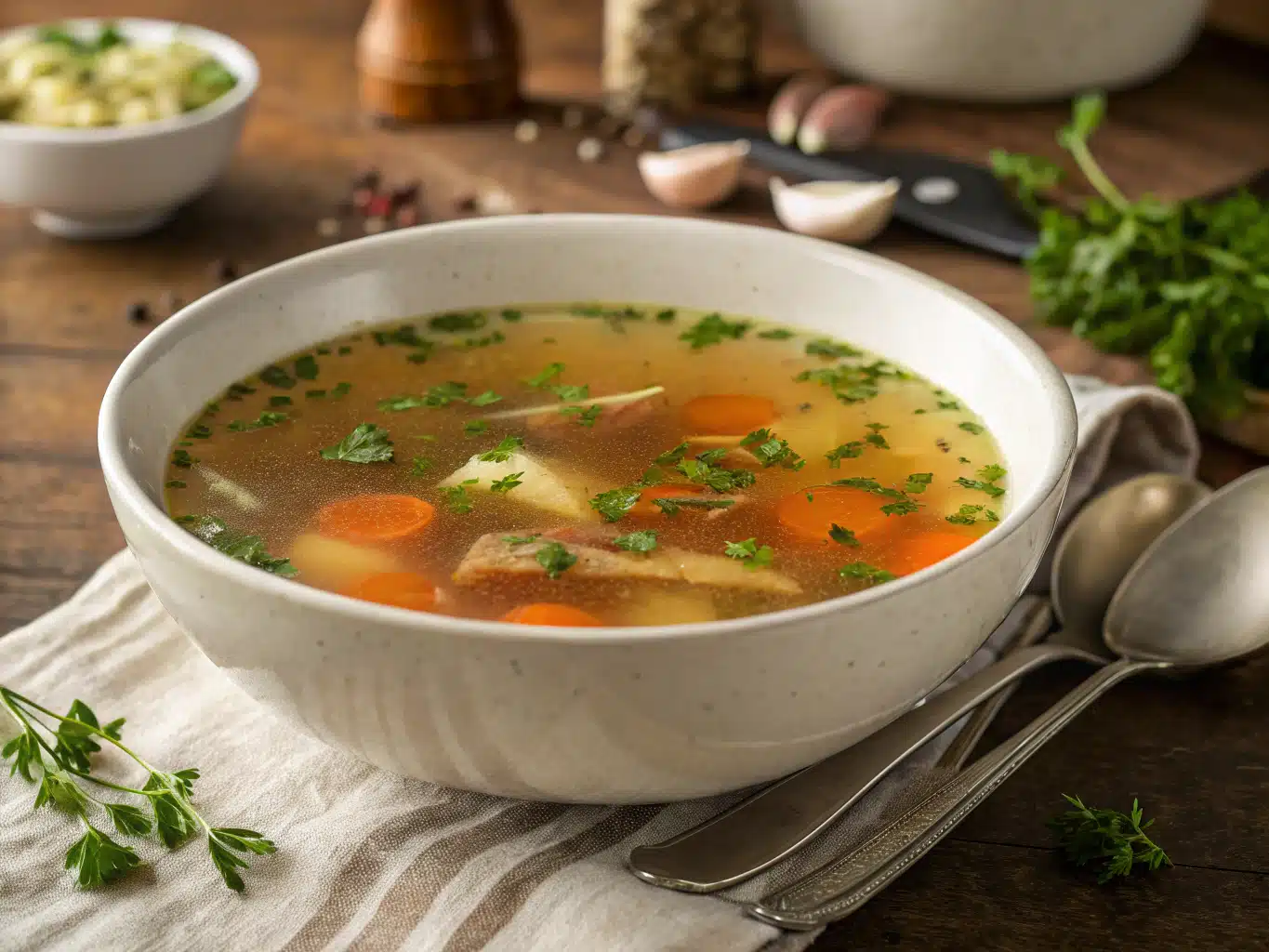
Bone broth is the kind of comfort that sticks to your ribs. It’s a savory liquid made from simmering bones, herbs, and vegetables over low heat for hours—sometimes up to 24! What you’re left with is a rich, golden broth packed with collagen, minerals, and deep flavor. It’s not new; chefs and home cooks have been making it for centuries.
What surprised me when I began experimenting with bone broth was how it changed my meals. Suddenly, my chicken noodle soup went from good to unforgettable. That’s the magic: bone broth can elevate almost anything with its silky texture and umami depth.
Plus, we’re not just talking about flavor here—the nutrients can’t be ignored. Bone broth is loaded with amino acids like glycine and proline, which may support digestion and joint health. It’s naturally low in calories but rich in nutrients, which makes it a favorite among nutritionists and food lovers alike.
Bone Broth in the Modern Kitchen
Gone are the days where bone broth was only found at your grandma’s stove. Today, it’s showing up in everything from health shakes to artisan ramen bowls. And yeah, it even makes its way into some of my more playful creations—like a hearty pho soup inspired by Vietnamese street food.
Fans love bone broth for many reasons: gut support, improved skin elasticity, joint flexibility, boosted immunity—real benefits backed by traditional wisdom and emerging science. No wonder it’s making a big splash in the wellness world.
Whether I’m ladling it into Olive Garden-style minestrone or drinking it straight from a mug after a long day, bone broth has earned its spot at the table. And now, you’ll see why making your own at home is the next best move for your kitchen.
The Bone Broth Recipe You’ll Want to Sip Year-Round
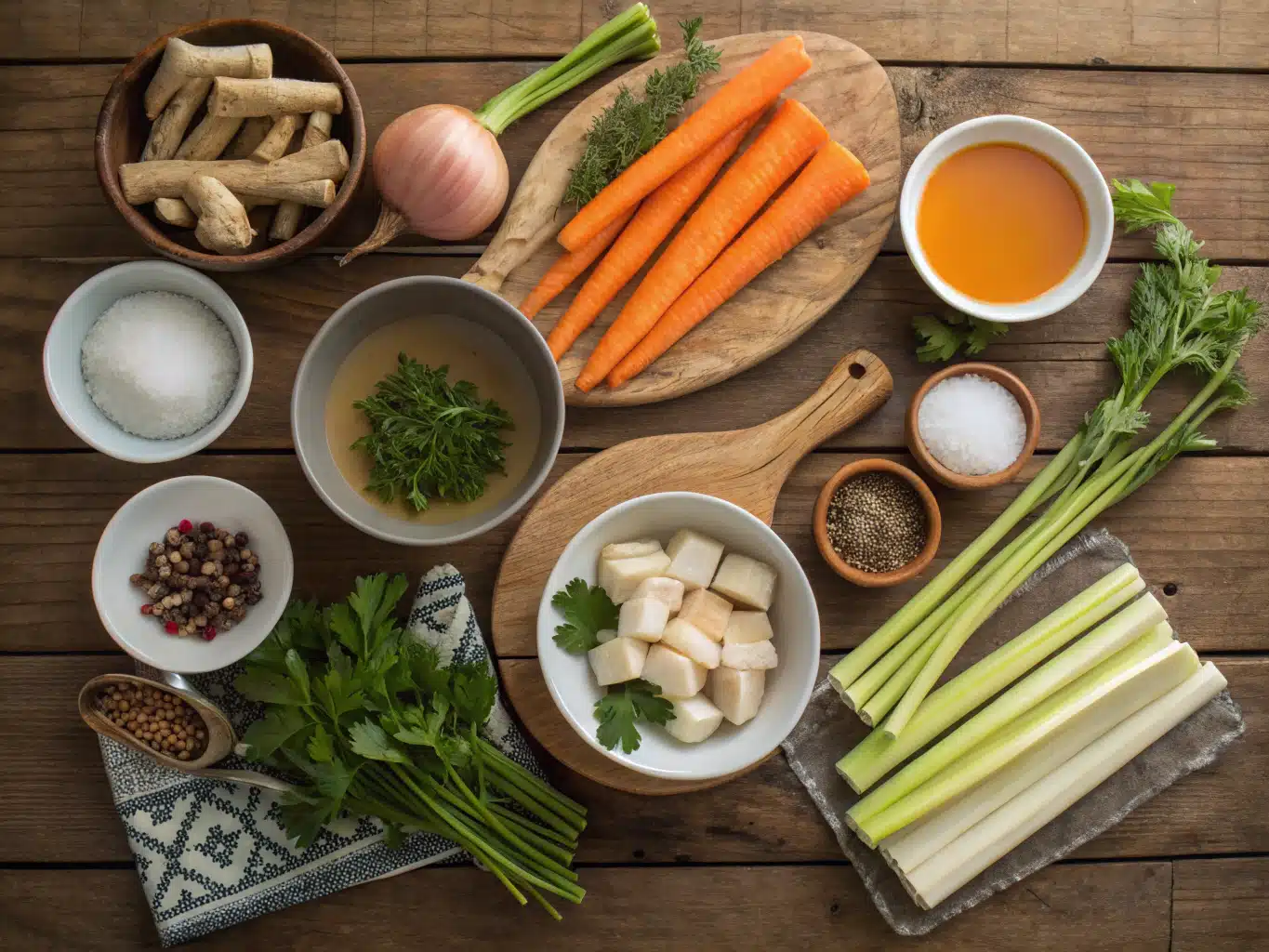
Ingredients List
Here’s what you’ll need to make delicious, nutrient-rich bone broth at home:
2–3 pounds of beef or chicken bones (roasted for maximum flavor)
1 large onion, quartered
2 carrots, chopped
2 celery stalks, chopped
3 garlic cloves, smashed
2 tablespoons apple cider vinegar (helps draw out minerals)
1 teaspoon peppercorns
2 bay leaves
A few sprigs of fresh thyme or rosemary
Water (enough to cover everything by two inches)
Substitutions? Absolutely. Lamb or turkey bones work just fine if that’s what you’ve got. Vegetable scraps are welcome to the party too—think leek tops, parsley stems, mushroom bits. Just avoid cruciferous veggies like broccoli and cauliflower—they overpower the broth.
For an extra immunity boost, I sometimes toss in a thumb-sized slice of fresh turmeric or ginger—especially during cold season.
Timing and Prep Tips
Not gonna lie—great bone broth takes time, but it’s mostly hands-off work.
Prep Time: 10–15 minutes
Cook Time: 6–24 hours (depending on your method and bones used)
Total Time: About 12 hours average
If you’re short on time, go with a pressure cooker. You can pull off a deeply flavorful broth in just 3 hours. But for that slow-cooked, collagen-rich magic? Let it simmer on the stove or in your slow cooker all day or overnight.
Method
Cook Time
Slow Cooker
12–24 hours
Stovetop
10–12 hours
Pressure Cooker
2–3 hours
How to Make Bone Broth: Step-by-Step
Roast your bones at 400°F for about 30–40 minutes, turning halfway through. This adds serious depth of flavor.
Place bones in a large stockpot, slow cooker, or Instant Pot.
Add in your veggies, herbs, vinegar, and spices.
Pour in water until everything’s well submerged.
Bring to a simmer—and only a simmer! Too much boiling = cloudy broth.
Skim off any foam or impurities during the first hour.
Let simmer for as long as possible (minimum of 6 hours for reasonable flavor).
Strain using a fine-mesh strainer, then let cool.
Store in glass jars or freeze in cubes for later use.
Most folks enjoy bone broth for its taste and warmth, but the health benefits are legit. Rich in essential amino acids like glycine and glutamine, bone broth may support gut lining and reduce inflammation. That’s why it’s often a staple in elimination or detox diets.
Collagen from animal bones also promotes healthier skin, improves joint flexibility, and strengthens nails and hair. A 2021 study published by the National Institutes of Health validates these benefits—especially noting bone broth’s impact on intestinal health and nutrient absorption.
Those looking to cut back on processed foods also benefit. Bone broth gives you big flavor with minimal additives. No weird thickeners, no excess sodium—just real ingredients.
Supporting Everyday Cooking (Without the Fuss)
Bone broth isn’t just for sipping from mugs. It’s the kind of ingredient I sneak into everything. Replace water in grains, add depth to soups, or simmer veggies in it for added flavor. On colder nights, I love using it as a base in chicken tortilla soup and hearty chili.
Better yet, you’re fully in control of sodium levels and flavors when it’s homemade. Hate rosemary? Leave it out. Need more heat? Add a jalapeño.
This kind of flexibility means bone broth isn’t some niche health fad. It’s truly for everyone—from culinary rookies to chefs like me looking to add heart and body to every dish.
Broth Safety, Storage, and FAQs
How to Store Bone Broth the Right Way
Freshly made bone broth will stay good in the fridge for up to 5 days—but trust me, it rarely lasts that long in my house. Here’s how to store it like a pro:
Cool completely before refrigerating.
Use glass jars or silicone molds to freeze in portions.
Label and date frozen batches.
In the freezer, it lasts up to 6 months just fine. I keep broth cubes on hand for quick-fix recipes or when I’m craving a cup of warm broth instead of coffee.
For a meal like zuppa toscana, toss in some broth ice cubes and let the flavors bloom. It saves waste and amps up flavor.
Avoiding Common Mistakes
Clear broth turns murky when it’s boiled too hard—so simmer gently. Using raw bones without roasting? You’ll miss out on caramelized flavors. Not adding acid like vinegar? You won’t extract nearly as many minerals.
The biggest mistake, though, is thinking you have to follow every rule just right—don’t stress! Bone broth invites improvisation.
Want garlic-heavy spice with a kick? Go for it. Prefer a comforting background note for rice or risotto? Skip bold herbs. Just have fun—your taste buds (and gut) will thank you.
FAQs About Bone Broth
What are the benefits of drinking bone broth?
Bone broth offers powerful nutrients like collagen, gelatin, and amino acids. These may support joint health, boost skin elasticity, improve gut function, and enhance hydration.
What is the downside of bone broth?
While bone broth is generally safe, high sodium in store-bought brands and heavy metals in some homemade versions can be a concern. Always choose quality bones from trusted sources.
Is bone broth ok to drink daily?
Absolutely! Many people sip 1 cup daily for skin, gut, and joint benefits. Just be mindful of salt content and portion control if you’re watching your intake.
What type of bone broth is healthiest?
The healthiest bone broth typically comes from grass-fed beef or pasture-raised poultry bones. Adding vegetables, herbs, and apple cider vinegar can increase its nutritional value.
Conclusion: Bone Broth Is Soul-Food in a Mug
Bone broth is more than a culinary trend—it’s timeless comfort with modern-day health benefits. Whether you’re sipping it for healing or flavor, it deserves a spot in every kitchen. With just a handful of basic ingredients and a bit of simmering, you can whip up a nourishing elixir that’s flexible, flavorful, and full of DIY pride.
Back in Austin, when the evening cools and the kitchen’s quiet, there’s nothing like a warm cup of bone broth to ease into the night. Try it in your favorite soup or drink it straight—you’ll be amazed at how it makes you feel.
So start your pot, relax, and let the broth do the work. You’re not just cooking—you’re nourishing your body and your spirit.