
Disclosure: This post may contain affiliate links. As an Amazon Associate, we earn from qualifying purchases—at no extra cost to you.
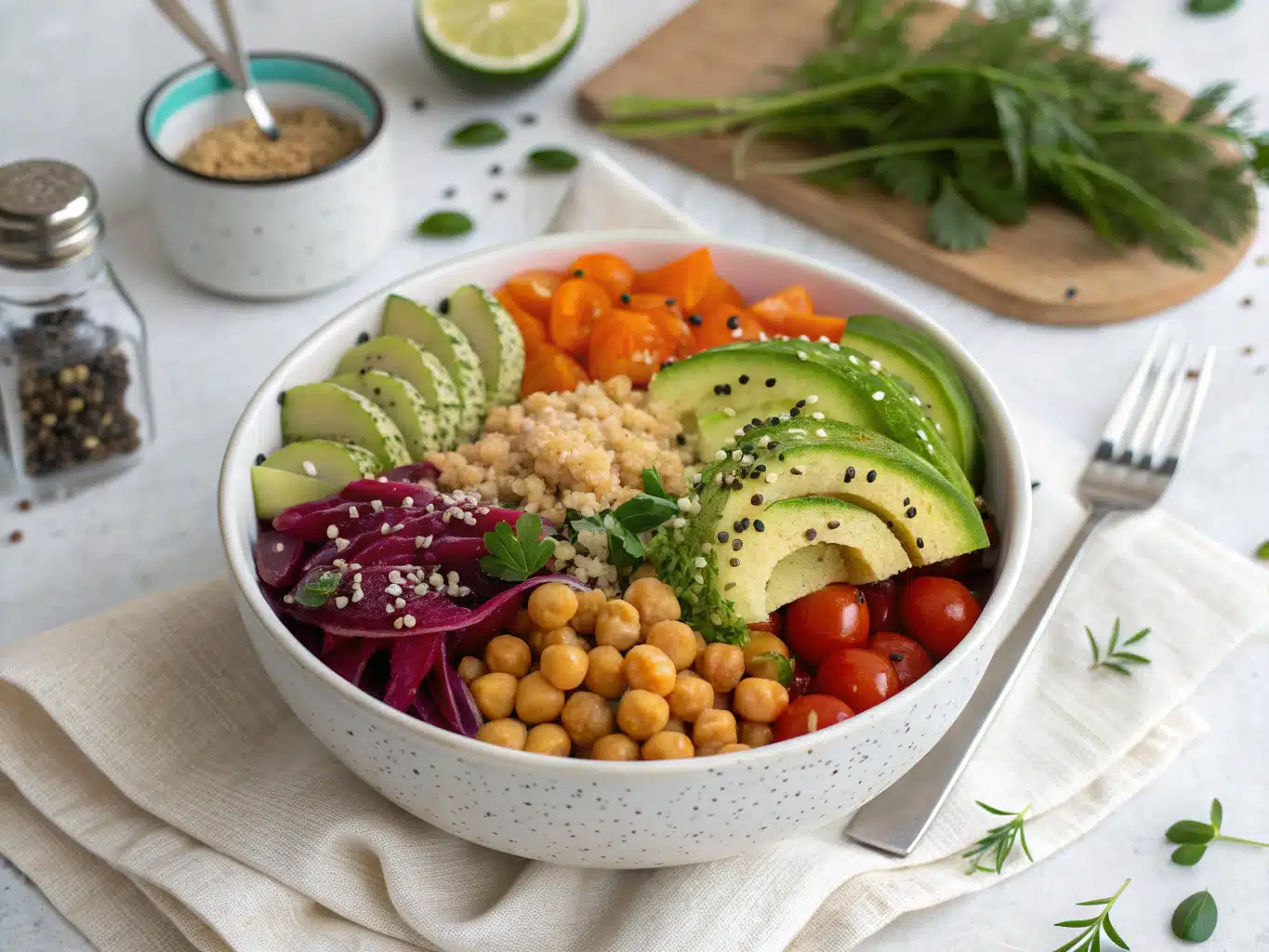
Buddha bowls have become more than just a food trend—they’re a vibrant, hearty celebration in a bowl. In this article, you’ll discover what makes these bowls so special, how to build your own, and why they’re an excellent pick for nutrition-packed meals. We’ll also look at variations worth trying, helpful tips to keep them exciting, and answer the most common questions people ask about this dish. Whether you’re new to these healthy creations or just want fresh inspiration, you’ll walk away with everything you need to master the art of Buddha bowls.
A Southern Twist on a Wholesome Trend
My Bowl, My Rules
Growing up in Georgia, where hearty casseroles and fried chicken reigned supreme, I never imagined I’d become the kind of chef drizzling tahini on sweet potatoes. But life—and culinary curiosity—has its own flavor path. The first time I had a Buddha bowl was in a quirky little café in East Austin, tucked between a vinyl shop and a bike co-op. I ordered it on a whim, intrigued by its colors and textures, and I was hooked at first bite.
These beautiful, nutrient-rich Buddha bowls turned into my go-to canvas for layered flavors. I love how flexible they are. You can take whatever’s in your fridge—roasted carrots, leftover lentils, that last scoop of quinoa—and turn it into a balanced meal that feels curated rather than cobbled together. That sense of creativity aligns perfectly with my cooking philosophy: food should be fun, a little daring, and always satisfying.
Buddha bowls are about harmony. Whole grains meet proteins, fresh veggies dance beside tangy sauces, and toppings offer a finishing touch that turns good into unforgettable. And when it comes to flavor, I love giving these bowls a Southern soul—think blackened tempeh or peach-glazed tofu nestled beside grilled corn and creamy avocado.
Why Buddha Bowls Are Taking Over American Tables
There’s a reason why Buddha bowls are filling Instagram feeds, TikTok videos, and kitchen tables. They’re fast, easy, highly customizable, and naturally aligned with healthy eating trends. As more people shift toward plant-forward lifestyles and whole foods, these bowls provide the ideal answer for busy modern lives—quick to make, beautiful to look at, and nourishing to eat.
Add to that their ability to be both a meal-prep hero and a leftover savior, and you’ve got a culinary trend that’s here to stay. Looking to rotate in more greens? A kale salad’s crispy vibrance can find a beautiful home in your next bowl. Feeling like something hearty but refreshing? Add a scoop of chickpea salad for a protein-rich twist.
Once you understand the basic formula of Buddha bowls, the possibilities become endless—and incredibly tasty.
Crafting the Perfect Buddha Bowl
Ingredients List
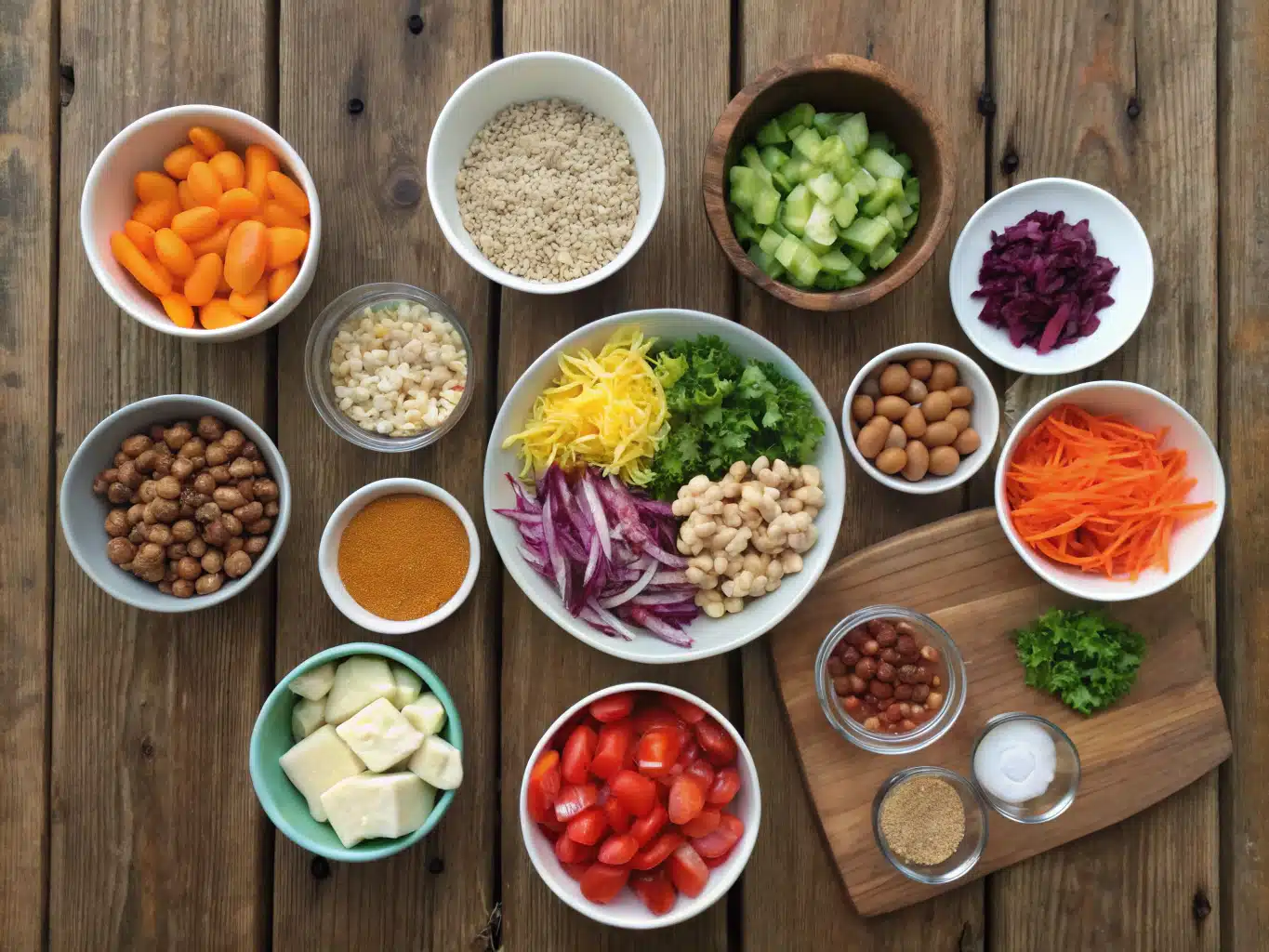
One of the best things about making Buddha bowls is how you can tailor them entirely to what’s in your pantry. Here’s a foundational ingredient list to build something both balanced and bold.
| Component | Examples & Tips |
|---|---|
| Whole Grains | Quinoa, brown rice, farro. Add variety with [quinoa salad](https://flavivotrends.com/protein-treats/quinoa-salad/) |
| Protein | Chickpeas, tofu, tempeh, grilled chicken, [lentil salad](https://flavivotrends.com/protein-treats/lentil-salad/) |
| Vegetables | Roasted sweet potatoes, raw shredded cabbage, grilled zucchini |
| Healthy Fats | Avocado, tahini dressing, olive oil, nuts, seeds |
| Toppings | Pickled onions, hemp seeds, microgreens, chili oil |
Need a creamy factor? Try a scoop of green goddess spread or even hummus from this vibrant hummus platter.
Timing
Compared to cooking a full-course meal, Buddha bowls are a breeze. On average, preparation takes:
- Prep time: 15 minutes
- Cook time (if roasting veggies or grains): 25 minutes
- Assembly time: 5–10 minutes
- Total: Around 45 minutes
That’s about 20% less than a traditional sit-down meal, with the added bonus of batch-prepping most items like grains or proteins for multiple meals ahead.
Step-by-Step Instructions
- Start with your base. Cook quinoa, brown rice, or bulgur according to the package—season it with a pinch of salt or a drizzle of vinegar for extra flavor.
- Add your protein. Roast chickpeas with cumin and smoked paprika, or pan-sear tofu for a crispy edge.
- Prepare the veggies. Go for a mix of textures—crunchy raw carrots, creamy roasted sweet potatoes, and lightly steamed broccoli do wonders.
- Sauce it up. Blend tahini with lemon juice, garlic, and water for a velvety drizzle. Or take a spicy route with a yogurt sriracha blend.
- Finish with dashes of personality—sprinkle sesame seeds, a handful of kale, or a drizzle of toasted sesame oil.
For added context on plant-based nutrition, the USDA offers a helpful MyPlate guide that aligns well with how Buddha bowls are structured nutritionally.
Make It Yours: Flavor Profiles & Variations
Seasonal and Regional Twists
Taking advantage of what’s fresh and local makes your Buddha bowl better. In the Texas summer, I love updating the bowl with grilled corn, okra, and ripe peaches. In cooler months, butternut squash, wild rice, and pomegranate seeds make a cozy combo.
Feeling creative? Use inspiration from other viral recipes you love. For a bold and colorful plate, add ingredients from this rainbow salad. Or offset creamy textures with a zesty, filling southwest salad layered right on top.
Sauce and Crunch Combinations
The dressing can make or break a Buddha bowl. For a Mediterranean vibe, a lemon-tahini-garlic dressing pairs perfectly with crispy chickpeas and cucumbers. If you’re going Asian-inspired, mix peanut butter, soy sauce, rice vinegar, and a touch of maple syrup for a creamy, tangy delight.
Don’t underestimate the power of toppings. Nuts and seeds offer crunch, while quick-pickled radishes or carrots bring acidity and freshness. Better yet, toss in roasted garlic or caramelized onions for a flavor bomb.
Nutritional Benefits & Sustainability
A Nutritional Powerhouse
When built well, a Buddha bowl qualifies as a complete meal—with a healthy balance of macronutrients and micronutrients. Whole grains provide steady energy, plant-based proteins support muscle function, and vegetables offer fiber, antioxidants, and complex vitamins. Plus, healthy fats from avocado or tahini support brain health.
Here’s a glimpse into the nutritional profile of a basic Buddha bowl:
| Nutrient | Approximate Value (per serving) |
|---|---|
| Calories | 500–650 kcal |
| Protein | 15–25g |
| Fiber | 10–15g |
| Fats | 20–30g (mostly healthy fats) |
Eco-Friendly Eating
Another win? Buddha bowls are incredibly sustainable. Many ingredients are plant-based, which require fewer resources to produce. You can also reduce food waste by assembling bowls from leftovers, grocery odds and ends, or produce at the edge of ripeness.
It’s a cooking method that supports both personal health and planetary wellbeing—an idea that’s becoming increasingly important in how we eat.
Frequently Asked Questions (FAQs)
What are the 5 components of a Buddha bowl?
A typical Buddha bowl consists of five core elements: whole grains (like quinoa or rice), plant-based protein (like beans or tofu), fresh or roasted vegetables, healthy fats (such as avocado or seeds), and a flavorful dressing or sauce.
Are Buddha bowls actually healthy?
Yes, they are! Buddha bowls combine nutrient-rich ingredients—like fiber-filled veggies, lean proteins, healthy fats, and whole grains—in perfect proportion. The key to healthiness lies in balance and using high-quality, minimally processed ingredients.
What toppings go on a Buddha bowl?
Popular toppings include sesame seeds, pickled onions, crushed nuts, chili flakes, microgreens, and drizzle-style sauces like tahini or spicy mayo. These add both texture and a pop of flavor to every bite.
What is the meaning of the Buddha bowl?
Buddha bowls are named for their balance and wholesomeness, resembling a full, rounded belly—like that of Buddha. They’re meant to symbolize mindfulness, nourishment, and the abundant yet peaceful way of eating.
Conclusion: A Bowlful of Possibilities
Whether you’re just dipping your toes into mindful eating or already a Buddha bowl devotee, there’s endless joy in reinventing this dish over and over again. From personal stories in my Southern kitchen to inspired flavors from around the world, Buddha bowls continue to surprise and nourish. They’re fun, customizable, and—most of all—a reminder that food is meant to be both healing and delicious.
Now it’s your turn: grab that leftover quinoa, slice some avocado, and let your inner chef build something beautiful.
Print
Buddha Bowls: A Delicious Way to Eat Mindfully Every Day
- Total Time: 45 minutes
- Yield: 2 bowls 1x
- Diet: Vegetarian
Description
A vibrant, customizable bowl of whole grains, plant-based protein, fresh vegetables, healthy fats, and flavorful sauces—perfect for mindful, nutritious eating any day of the week.
Ingredients
1 cup cooked quinoa or brown rice
1/2 cup roasted sweet potatoes
1/2 cup shredded raw cabbage
1/2 cup steamed broccoli
1/2 avocado, sliced
1/2 cup roasted chickpeas or grilled tofu
2 tbsp tahini dressing or yogurt-sriracha sauce
1 tbsp pickled onions
1 tbsp seeds or nuts
Microgreens or kale for garnish
Instructions
1. Cook the grain of your choice according to package instructions and season lightly.
2. Prepare your protein by roasting chickpeas or pan-searing tofu until crispy.
3. Chop and prep the vegetables: roast sweet potatoes, steam broccoli, shred cabbage.
4. Mix or blend your desired dressing: tahini with lemon and garlic or yogurt with sriracha.
5. Assemble your bowl starting with the grain base, then layer veggies and protein.
6. Drizzle with dressing and top with seeds, nuts, pickled onions, and greens.
7. Serve immediately or store components separately for meal prep.
Notes
Mix and match ingredients with the seasons—grilled corn and peaches in summer, butternut squash and wild rice in fall.
Swap dressings to change the flavor profile—peanut-soy for Asian, lemon-tahini for Mediterranean.
Use leftovers and pantry staples to minimize waste and increase convenience.
- Prep Time: 15 minutes
- Cook Time: 25 minutes
- Category: Main Course
- Method: Assembled
- Cuisine: Fusion
Nutrition
- Serving Size: 1 bowl
- Calories: 550
- Sugar: 5g
- Sodium: 350mg
- Fat: 24g
- Saturated Fat: 3g
- Unsaturated Fat: 20g
- Trans Fat: 0g
- Carbohydrates: 60g
- Fiber: 12g
- Protein: 18g
- Cholesterol: 0mg
Keywords: buddha bowl, plant-based, healthy lunch, grain bowl, vegan option