Disclosure: This post may contain affiliate links. As an Amazon Associate, we earn from qualifying purchases—at no extra cost to you.
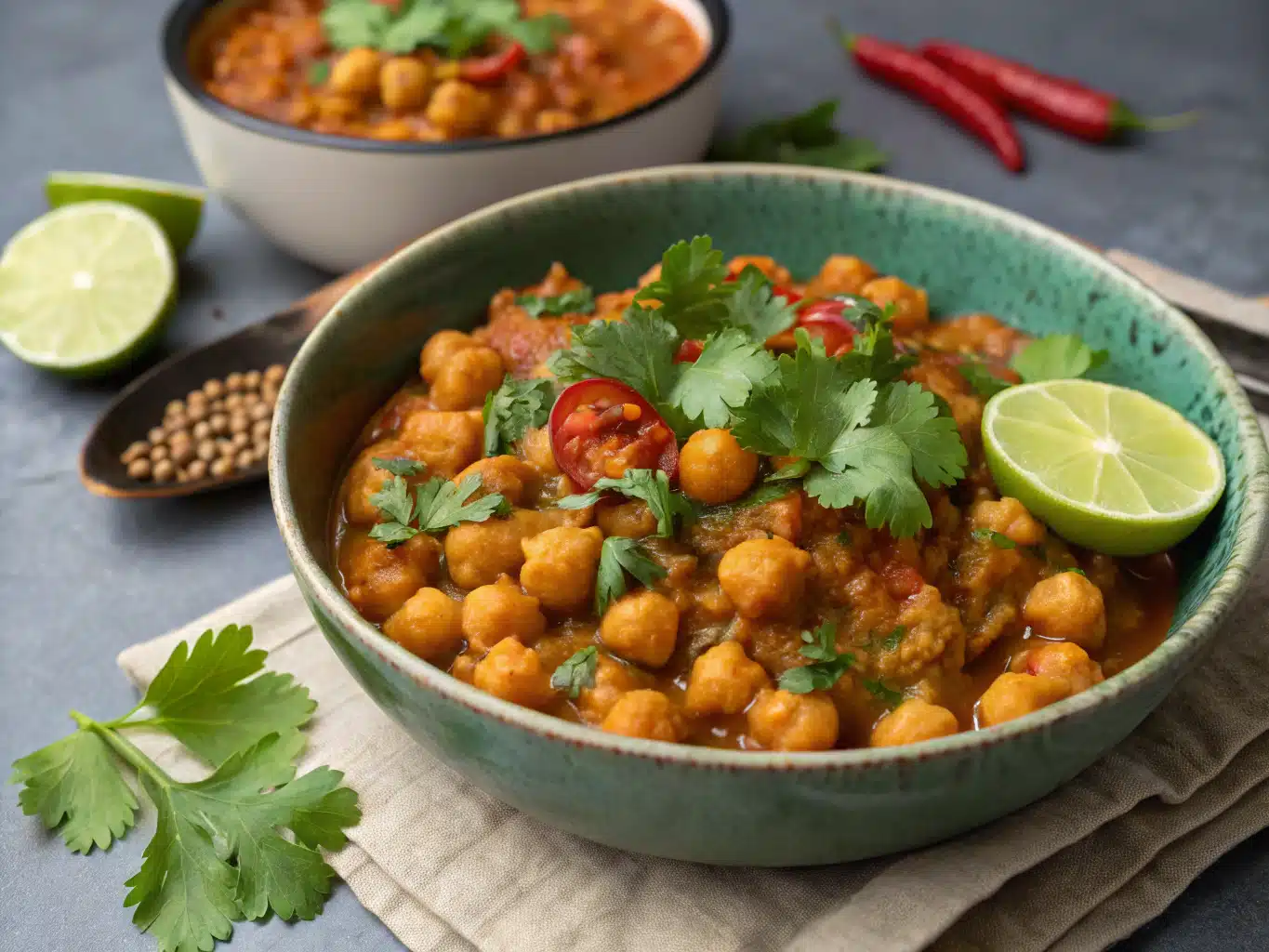
There’s something comforting and downright joyful about a pot of curry simmering on the stove. For me, curry chickpeas bring back memories of flavor experimentation that first started in the back kitchen of a bustling New Orleans eatery. I remember tossing chickpeas into a spicy, coconut-laced sauce late one night after service, purely on a whim—and boom, a star dish was born! Since then, curry chickpeas have become my go-to for those weeknights when my heart craves comfort but my schedule demands speed.
In today’s post, we’re diving all the way into this creamy, spiced, and protein-packed favorite. From ingredient swaps to expert cooking tips and what NOT to do, you’re about to become the curry chickpea chef your taste buds have been waiting for. Ready? Let’s ladle it up.
Why Curry Chickpeas Work Every Time
Chickpeas: Humble, Hearty, and High-Powered
Chickpeas are seriously underrated. These plant-based powerhouses are packed with protein, fiber, and iron, making them an essential in my kitchen. When curried, they absorb flavor like a sponge but still hold their shape. Whether you’re making a dense stew or a lighter curry, chickpeas (aka garbanzo beans) deliver that satisfying, “stick to your ribs” feel without requiring meat.
There’s a reason dishes like chana masala are staples across Indian households. Add bold spices like cumin, turmeric, and garam masala, and chickpeas turn into a savory treat that’s comforting and bold. You can even riff off dishes like this puttanesca chickpea tomato salad to expand your chickpea borders beyond curry.
Why Curry Is the Ultimate Flavor Playground
“Curry” isn’t one fixed recipe. It’s a style, a story, an invitation to mix bold spices and fresh ingredients into something unique. What makes curry chickpeas so versatile is the harmony between earthy legumes and vibrant aromatics like garlic, ginger, and green chilies. You can go bright with tomatoes and lime, or rich with coconut milk and cardamom. Both paths bring you to “yum town,” trust me.
For those following modern trends, this recipe is a perfect segue from other veggies-first hits like this quick chickpea salad. Curry chickpeas can slide seamlessly into bowls, wraps, salads, and even breakfast scrambles if you’re feeling adventurous. I’ve even layered them over cilantro rice for the ultimate protein pop.
How to Make Flavor-Packed Curry Chickpeas
Ingredients & Substitutions
Here’s what you’ll need to whip up the ultimate curry chickpeas. Keep it cozy, keep it creative.
Ingredient
Substitution Option
Two 15-ounce cans of chickpeas (drained, rinsed)
Use 3 cups of cooked dried chickpeas for firmer texture
1 tbsp coconut oil or olive oil
Ghee or avocado oil
1 medium onion, diced
Shallots or leeks
3 garlic cloves, minced
1½ tsp garlic paste
1-inch fresh ginger, grated
½ tsp ground ginger
2 tsp curry powder
Try Garam Masala for a deeper profile
½ tsp turmeric, ½ tsp cumin
Add smoked paprika for depth
1 (14 oz) can coconut milk
Use light coconut milk or oat milk blend
1 cup diced tomatoes
Fresh tomatoes, chopped
Salt to taste, fresh cilantro
Parsley or mint for garnish
Timing: What You Need to Know
Making curry chickpeas is quick and efficient. The full process takes less time than most curry dishes—about 30 minutes total, including prep.
Prep time: 10 minutes
Cook time: 20 minutes
Total time: 30 minutes
Compared to traditional Indian curries that can take over an hour, this one saves you 50% on time and doesn’t skimp on flavor.
Step-by-Step Instructions
Heat the oil in a large skillet over medium heat. Toss in the onions and sauté until they soften, about 4–5 minutes.
Add garlic and ginger; stir until fragrant—roughly 1 minute.
Sprinkle in all dry spices: curry powder, turmeric, and cumin. Stir constantly for 30 seconds to activate their aromas.
Pour in the tomatoes and their juices. Simmer for 5 minutes, letting it thicken slightly.
Add your chickpeas and coat them well.
Pour in coconut milk; stir everything together.
Bring to a gentle simmer for 10–12 minutes until sauce thickens and chickpeas are plump.
Finish with salt to taste and chopped cilantro.
Tip: For crispy edges, pan-fry a few chickpeas in advance and add them as a topper.
Nutrition, Uses & Pairings for Curry Chickpeas
Is Curry Chickpea a Healthy Meal?
Absolutely! Curry chickpeas contain plant-based protein, complex carbohydrates, and good fats if you opt for coconut oil or olive oil. Rich in potassium, magnesium, and vitamin B6, these legumes support digestion and heart health.
According to Harvard T.H. Chan School of Public Health, legumes like chickpeas improve cholesterol levels and help regulate blood sugar. That makes curry chickpeas ideal for anyone managing heart issues or diabetes, too.
And don’t forget—they’re filling but low in calories, which makes it easier to control portions without sacrificing satisfaction.
Serving Ideas You’ll Actually Use
If you’re not serving these straight from the pot (no judgment if you are), curry chickpeas shine in many dishes. Try ladling them over cauliflower rice for a low-carb option. Or spoon them into wraps with leafy greens, pickled onions, and tahini dressing.
You also can’t go wrong pairing them with a simple hummus platter or grain-based veggie bowls. For a warm pairing, air-fried flatbreads and air fryer tofu make a knockout plate.
Common Pitfalls & Cultural Notes
Mistakes You’ll Want to Avoid
Let’s save your dinner from disaster with these quick don’ts:
Overcrowding your skillet prevents flavors from developing. Use a wide pan.
Skipping the toasting of spices kills depth—always sauté the spices before adding liquids.
Adding coconut milk too early might cause curdling. Wait until the tomatoes have simmered properly.
And remember: seasoning at the end is key. That’s when the flavors truly lock in.
What Is a Chickpea Curry Actually Called?
Many fans of Indian cuisine know of “chana masala.” That’s the traditional Indian chickpea curry made with pantry-friendly spices, tomato, and onion. It leans more acidic and tomato-rich compared to creamier versions, so it’s ideal for those avoiding coconut milk.
There are also Caribbean versions like Trinidadian curry chickpeas or “channa,” often paired with “doubles” (fried flatbread) or potatoes. Both regional interpretations are incredible, so feel free to blend flavor cues based on what you crave the most.
FAQs About Curry Chickpeas
Is a chickpea curry healthy?
Yes. Chickpea curry is packed with fiber, protein, and essential minerals. Using heart-healthy oils and limiting salt enhances its benefits.
What is a chickpea curry called?
In Indian cuisine, it’s typically called chana masala. In the Caribbean, it’s often just called curry channa or chickpea curry.
What are common chickpea curry mistakes?
Adding coconut milk too early, not blooming spices first, or overcrowding your pan are frequent errors that cause bland or unevenly cooked dishes.
What Indian dish uses chickpeas?
Chana masala is the most well-known Indian dish featuring chickpeas, made with onion, tomato, and a blend of warming spices.
Final Thoughts: Why Curry Chickpeas Deserve a Spot in Your Weekly Lineup
Whether you’re feeding a table or cooking for one, curry chickpeas check every box: easy, nutritious, affordable, and crowd-pleasing. They’re a comfort food hero without the heaviness and can be tossed into any meal plan with ease.
Next time you’re pondering dinner, let that can of chickpeas on your shelf inspire something soul-warming and wildly flavorful. If you’re already a fan of flavorful mashups like buddha bowls, curry chickpeas will absolutely become a favorite.
Your kitchen deserves something bold—and your belly? It deserves seconds.