
Disclosure: This post may contain affiliate links. As an Amazon Associate, we earn from qualifying purchases—at no extra cost to you.
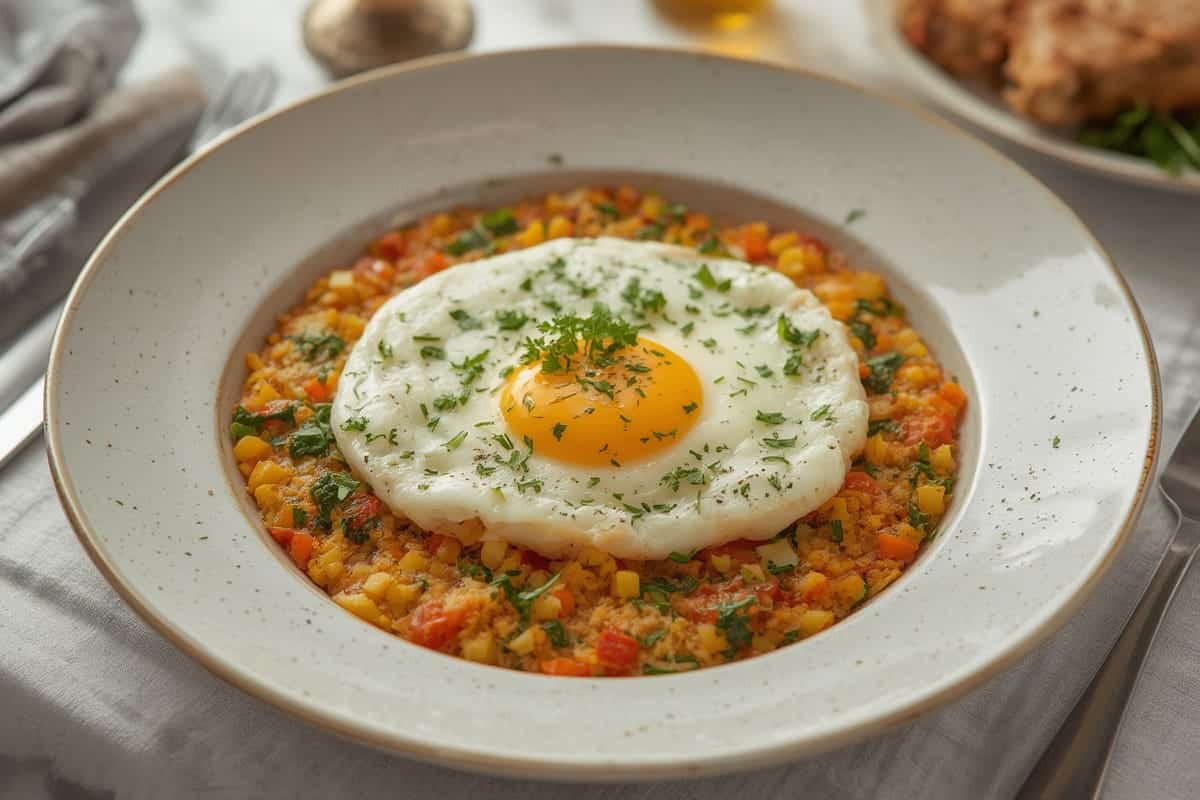
If you’ve ever meandered into my kitchen on a Saturday morning, you’ve likely smelled something rich, savory, and maybe even a little daring. That’s probably my signature egg frittata doing its thing in a cast-iron skillet. The sound of those eggs puffing up in the oven still transports me to my childhood in Georgia when my mom would whip up something hearty with whatever we had in the fridge. Back then, we didn’t call it a frittata—just “eggs baked with stuff.” But now that I’ve seen brunch evolve into more of a celebration than a meal, the egg frittata is my go-to way to blend creativity, comfort, and culinary savvy.
I landed on this twisty take during a lazy weekend in Austin. I had leftover roasted veggies, a sliver of goat cheese, and a carton of eggs staring me down. A frittata was the only answer. Unlike an omelette, which can pressure you into a perfect fold, a frittata gives you space. It’s forgiving, flexible, and oh-so flavorful. Whether you’re feeding six guests or fueling your own Monday morning hustle, the egg frittata earns its spotlight with ease and a little flair.
Let’s dive deeper into how this crowd-pleaser can fill your kitchen with joy, aroma, and applause.
The Brunch Hero We All Deserve
Why the Egg Frittata is Always the Right Answer
Let me say it plainly: the egg frittata is a lifesaver. Got leftover veggies? Use them. A wedge of cheese hiding in the fridge? Toss it in. The egg frittata is the ultimate adaptable breakfast or brunch dish that fuses flavor with function. What really sets it apart from other egg dishes is how evenly it cooks—fluffy on the inside, golden on top.
When people ask me why I reach for this dish so often, I tell them it’s the perfect intersection of simplicity and elegance. Its origins go back centuries in Italian kitchens, where resourcefulness was the spice of life. Today, it’s gone viral in modern American homes—and for good reason.
Unlike its cousin the omelette, which demands swift flipping skills and fast hands, the egg frittata is baked low and slow. The result is always satisfying, beautifully layered, and ideal for slicing into tidy squares or generous wedges.
Flavor Meets Functionality: A Chef’s Perspective
As someone who’s spent serious time in high-end kitchens as well as my own humble one in Austin, I can say confidently that the egg frittata isn’t just easy—it’s rewarding. It offers a canvas for bold flavor combos with very little effort. Think feta with sun-dried tomatoes, or sautéed spinach with caramelized onions.
And yes, it’s healthy, too. Eggs are a high-protein powerhouse, and you’re in full control of your add-ins. Use olive oil instead of butter, go heavy on leafy veggies, or add quinoa for a protein-pumped twist.
For weeknights when you want something satisfying without babysitting the stove, the frittata is a beautiful middle ground—kind of like pineapple in cake: unexpected, and totally worth it.
Making the Perfect Egg Frittata from Scratch
What You’ll Need
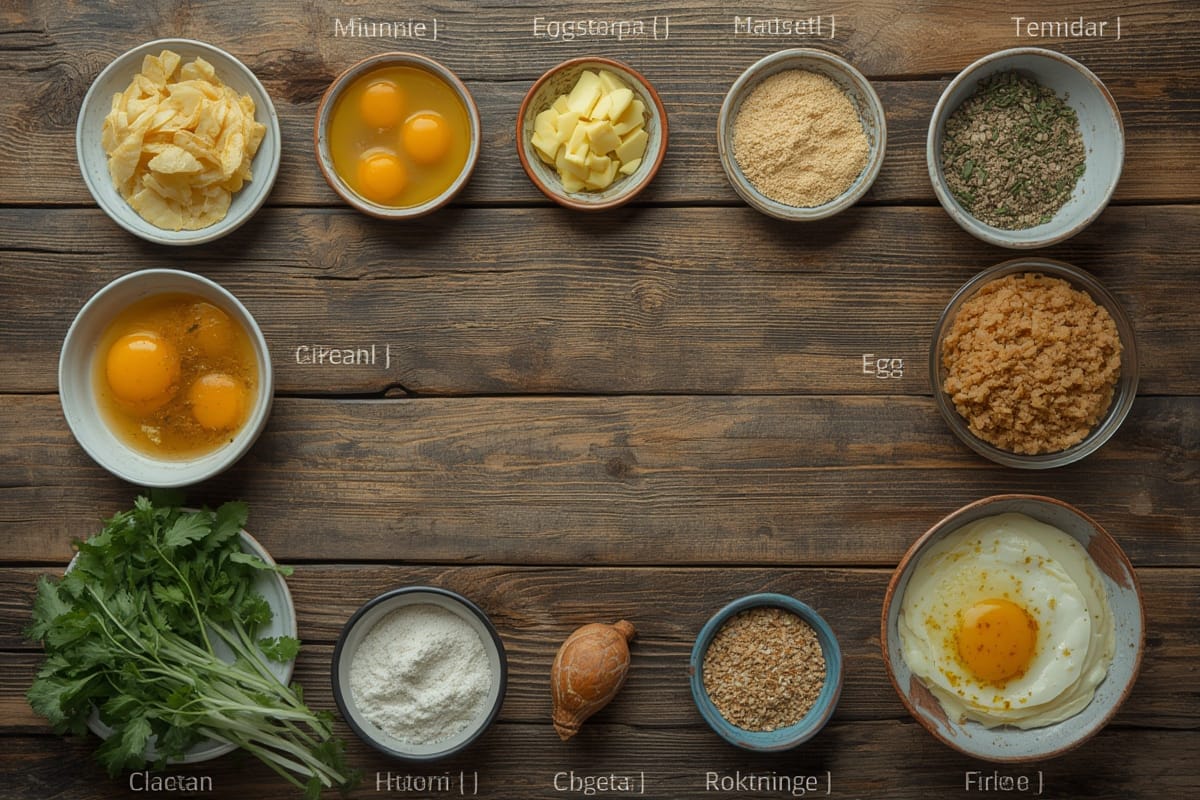
Let’s get down to the delicious details. Here’s what you’ll typically need—and how to twist it your way.
| Ingredient | Alternatives |
|---|---|
| 8 large eggs | 6 eggs + 1/2 cup egg whites |
| 1/3 cup milk (plant-based is fine) | Greek yogurt for added creaminess |
| 1 cup cooked veggies | Zucchini, spinach, bell peppers, etc. |
| ½ cup shredded cheese | Goat cheese, vegan cheese, feta |
| Salt, pepper, herbs | Cumin, za’atar, or paprika |
You’ll also need an oven-safe non-stick or cast iron skillet, a whisk, and maybe a silicone spatula to scrape every last bit into your serving plates.
Prep Time, Cook Time, and No Waste
Time is precious, and the egg frittata respects that.
- Prep Time: 10 minutes
- Cook Time: 25–30 minutes
- Total Time: 35–40 minutes
If you’re like me and want every minute of your Sunday brunch to feel intentional, this dish delivers. Prep your mix-ins while the oven preheats and pour the batter straight into your preheated skillet.
By using one pan for both stove and oven, cleanup is also a breeze. Even better? It’s a top-notch way to turn leftover roasted veggies into a whole new meal.
Let’s Cook: Step-by-Step
- Preheat your oven to 375°F (190°C).
- Heat 1 tablespoon of olive oil in a cast iron skillet over medium heat. Add your chopped veggies and sauté until slightly caramelized.
- In a bowl, whisk the eggs, milk, salt, pepper, and herbs. Fold in cheese and quartered cherry tomatoes or chopped herbs if using.
- Pour the egg mixture into the skillet. Let it sit on the stove for 2-3 minutes until the edges begin setting.
- Transfer the skillet to the oven and bake for 20–25 minutes, or until the center is set and the top is puffy and golden.
- Tip: Insert a toothpick in the middle. If it comes out clean, your frittata is ready.
- Let it cool for 10 minutes before slicing.
Best enjoyed warm—or cooled and packed for next-day lunch!
For more on fun, trend-forward meals, check out our roundup of quick viral cake recipes that pair great with brunch.
Elevate and Customize Your Frittata Game
Get Creative with Your Fillings
One of my go-to combinations is caramelized onion with creamy goat cheese and spinach. But the sky’s the limit. Love spice? Try chopped jalapeños and corn. Want something earthy? Mushrooms and thyme are perfect.
Don’t overlook flavor bombs like sun-dried tomatoes, roasted sweet potatoes, or za’atar. Layer flavors and textures for a professional-level finish.
As a chef, I see frittatas as the ideal “clean your fridge” meal. Almost anything works with the right ratios and attention to moisture levels.
Speaking of smart combos, the best pan-fried frittatas start in a non-stick skillet and finish in the oven. Ensuring it’s oven-safe (up to 450°F) is key.
For food safety and nutrient retention guidance, you can check this USDA guideline on egg safety.
Storage, Freezing, and Making Ahead
Here’s the best part: frittatas are built for batch cooking and leftovers.
- Store leftovers in airtight containers in the fridge for up to 4 days.
- To freeze, wrap individual slices in foil and seal in a freezer-safe bag. Reheat in the oven at 375°F for 10–12 minutes.
Meal preppers, rejoice! Make two in one weekend and alternate slices all week. Pair them with a light salad spinner like this to prep greens efficiently.
Want a sweet pairing too? Try one of our easy cake recipes that use pantry staples to round out your meal.
The Power of Simplicity in One Pan
Nutritional Profile That Satisfies
Egg frittatas aren’t just delicious—they’re balanced and rich in nutrition. With about 200-300 calories per serving (depending on ingredients), you get high protein, low sugar, and customizable nutrients.
They’re gluten-free naturally and suitable for various dietary needs. Add turmeric for anti-inflammatory benefits or kale for calcium. Cook once, fuel all day.
Need tools with versatility? Try this 6-in-1 divider pan set for prepping multiple mini frittatas at once.
A healthy, meal-prep friendly brunch in one fell swoop.
Go Mini or Go Big, It Always Works
Want to serve a crowd at brunch? Bake your egg frittata in a large, greased casserole pan and slice into squares. Hosting just yourself? Use a muffin tin for personal portions that cook faster and travel well.
Don’t forget garnish—fresh dill, chives, or microgreens bring a pro touch. And keep a sturdy, reliable cutting board with egg timer handy to prep efficiently.
The frittata’s charm is its flexibility. Whether you’re cooking for comfort or presentation, this dish scales to fit your lifestyle.
FAQs About Egg Frittatas
What is the difference between frittata and omelette?
An egg frittata is baked and cooked slower than an omelette, allowing it to puff up. Its toppings are mixed in, not folded. Omelettes cook quickly and need to be flipped or folded. Frittatas are more fuss-free and better for make-ahead meals.
Can egg frittata be frozen?
Yes, absolutely! Let it cool completely, slice it into individual servings, wrap them tightly, and store in freezer bags. Just reheat as needed.
How do you keep frittata fluffy?
Whisk your eggs thoroughly with milk or cream for airiness. Starting it on the stovetop helps the base set while baking at 375°F ensures gentle rising.
What fillings work best in frittata?
Spinach, bell peppers, caramelized onions, mushrooms, and cheese are best for texture and flavor. Leftovers like roasted sweet potatoes or sautéed kale add depth. Avoid watery vegetables unless sautéed first.
Conclusion
So, whether it’s a quiet breakfast or a full-blown weekend spread, the egg frittata stands tall as a dish that celebrates creativity and comfort. From Georgia kitchens to Austin homes, it’s become my culinary comfort zone—and I hope it becomes yours too. Flexible, nutritious, and endlessly customizable, this brunch staple has earned its place on your stovetop and your table. Make it your own, serve it proudly, and don’t forget to share a slice of your story with it.
PrintSavory Egg Frittata with Vegetables and Herbs
- Total Time: 35 minutes
- Yield: 6 servings 1x
Description
A fluffy, oven-baked egg frittata packed with sautéed vegetables, herbs, and cheese. Ideal for brunch, meal prep, or a hearty breakfast.
Ingredients
8 large eggs
1/3 cup milk or plant-based milk
1 cup cooked vegetables (spinach, zucchini, peppers)
1/2 cup shredded cheese (cheddar, feta, or goat cheese)
Salt and pepper to taste
1 tablespoon olive oil
Fresh herbs (chives, parsley, dill)
Instructions
Preheat oven to 375°F.
Heat olive oil in an oven-safe skillet. Sauté vegetables for 5–6 minutes.
In a bowl, whisk eggs, milk, salt, pepper, and herbs.
Stir in cheese and pour mixture into skillet.
Let cook on stove for 3 minutes to set edges.
Transfer skillet to oven. Bake for 20–25 minutes, or until golden and fluffy.
Cool for 10 minutes before slicing.
Notes
Use pre-cooked veggies to reduce cook time.
Can be refrigerated for 4 days or frozen for up to 1 month.
- Prep Time: 10 minutes
- Cook Time: 25 minutes
- Category: Brunch
- Method: Baked
- Cuisine: American
Nutrition
- Calories: 220
- Fat: 14g
- Carbohydrates: 6g
- Fiber: 1g
- Protein: 17g
- Cholesterol: 180mg
Keywords: egg frittata, brunch recipe, baked egg casserole, healthy egg dish