
Disclosure: This post may contain affiliate links. As an Amazon Associate, we earn from qualifying purchases—at no extra cost to you.
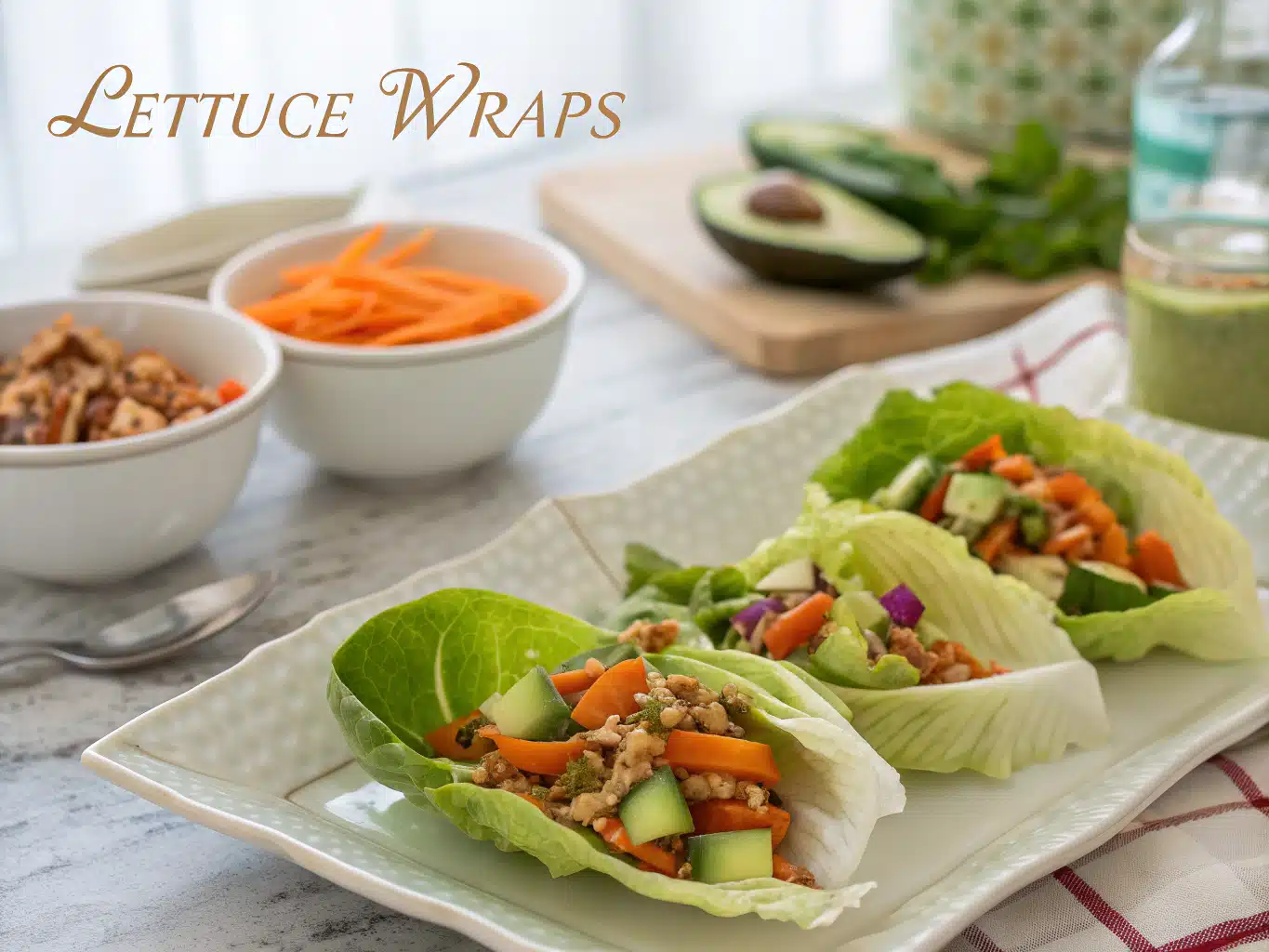
If you’ve ever taken a bite of a perfectly wrapped lettuce wrap and felt that satisfying crunch followed by a burst of savory, colorful flavor—then you know why they’ve become such a popular option. In this article, I’m diving into everything lettuce wraps: how to make them, why they work so well across diets, and how you can make them your own. Whether you’re leaning into lighter meals or looking to add a punch to your weekly menu, this guide’s got you covered.
Real-Life Flavor: My Lettuce Wrap Story
From Sunday Suppers to Crunchy Cravings
Growing up in Georgia, Sundays meant big family dinners packed with comfort food. But after culinary school and countless hours in busy New Orleans kitchens, I started playing with lighter dishes that still felt indulgent. One night, after a long shift, I tossed some leftover Korean BBQ into a crisp romaine leaf, topped it with pickled onions and sesame seeds—and bam! Lettuce wraps were suddenly my thing.
Fast forward to my current kitchen in Austin, where these handheld beauties have become my go-to for quick lunches and backyard get-togethers. People love them because they’re fun, customizable, and bring vibrant flavors without the food coma.
Why Americans Can’t Get Enough of Lettuce Wraps
There’s a good reason why lettuce wraps have taken off in homes and social feeds across the U.S. First off, they’re naturally gluten-free, low in carbs, and a creative way to sneak extra veggies onto your plate. And because there’s no right or wrong way to build them, they fit into any style—Asian-inspired, Mediterranean, or classic American barbecue.
The versatility of lettuce wraps is unmatched. You can build them around proteins like grilled chicken or tofu, or even use leftovers from last night’s takeout. It’s not just health food—it’s good food. And if you love pairing bright entrees with a refreshing side, check out this crisp cucumber salad or a vibrant Greek salad dish to round out the meal.
The Crunch Factor: Ingredients & Prep Tips
Ingredient List: Build the Ultimate Lettuce Wrap
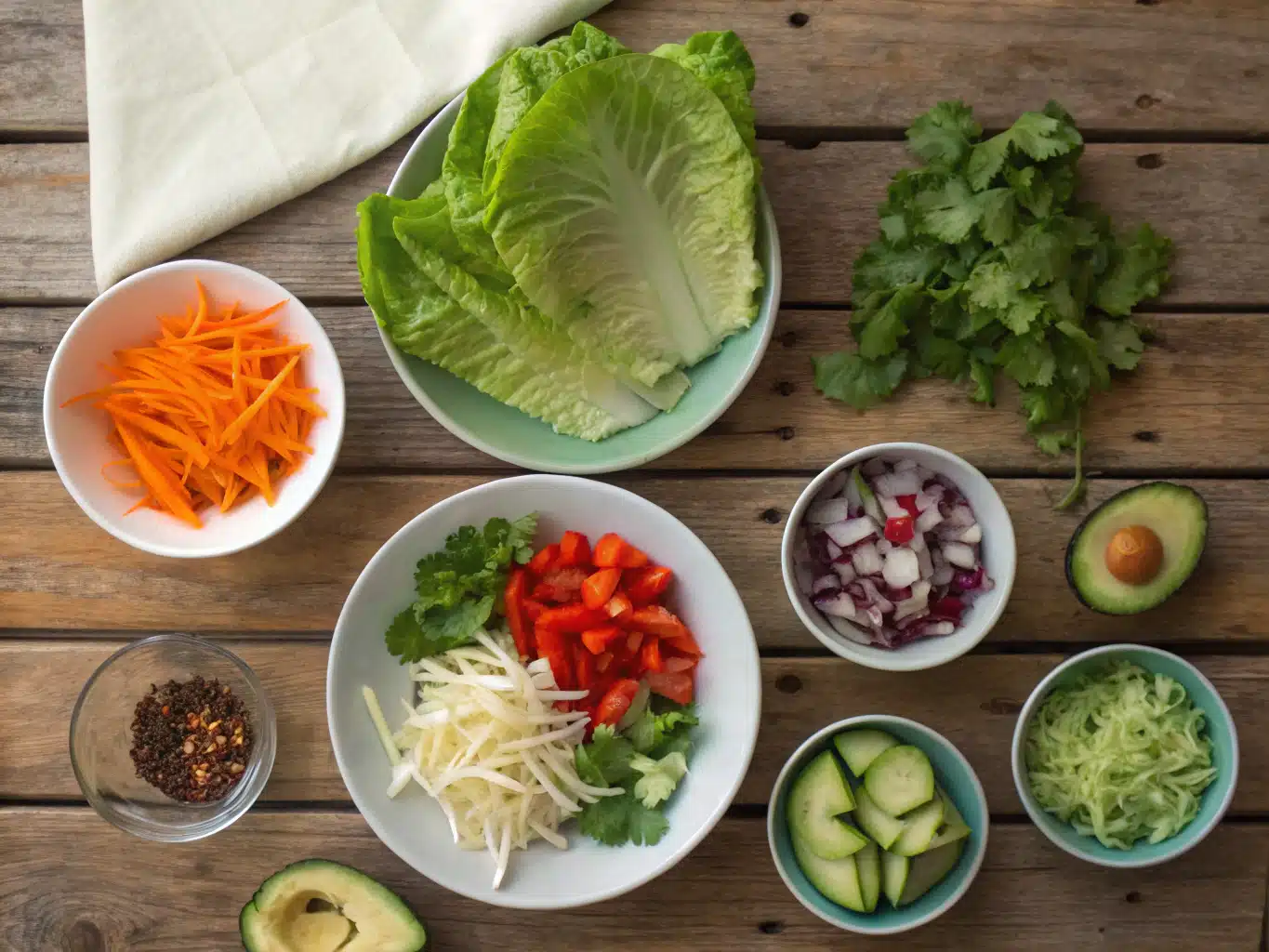
Ready to build your own? These ingredients are simple, flexible, and bursting with flavor. Here’s what you’ll need:
- 1 head of butter lettuce or romaine (Boston bibb works too)
- 1 lb ground chicken, turkey, or plant-based substitute
- 1 tbsp sesame oil
- 2 cloves garlic, minced
- 1 tbsp ginger, finely grated
- 1/4 cup soy sauce or tamari
- 1 tsp chili garlic sauce or Sriracha (optional)
- 1/2 cup chopped water chestnuts
- 1/4 cup shredded carrots
- 2 green onions, sliced
- Sesame seeds and chopped peanuts (for garnish)
- Fresh herbs like cilantro or basil (optional)
Timing: How Long Does It Take?
Let’s talk time efficiency. This lettuce wrap recipe clocks in at under 30 minutes from fridge to first bite. That’s about 40% less time than average takeout would take to arrive.
| Process | Time |
|---|---|
| Preparation | 10 minutes |
| Cooking | 15 minutes |
| Total Time | 25 minutes |
Step-by-Step Instructions: Your Crispy-Leaf Guide
- Wash and dry the lettuce leaves. Set aside.
- In a large skillet, heat sesame oil over medium-high heat. Add garlic and ginger. Sauté for 1-2 minutes.
- Add your protein to the pan. Cook until fully browned.
- Stir in soy sauce and chili sauce. Mix until coated.
- Toss in water chestnuts and carrots. Cook for 2–3 more minutes to soften.
- Remove from heat. Stir in green onions.
- Spoon the mixture into each lettuce leaf. Top with sesame seeds and peanuts.
- Serve immediately with optional herbs and sauces on the side.
Pair your wraps with hearty options like cowboy caviar or a colorful fruit salad medley for a complete spread.
Turn Your Lettuce Wraps Into Balanced Meals
Nutritional Powerhouse in Every Bite
Lettuce wraps don’t just cut back on carbs—they also pack in nutrients. Lettuce provides fiber, vitamin A, and hydration. Protein fillings like turkey or tofu bring iron and muscle-building amino acids. And those extras—water chestnuts, carrots, peanuts—each add their own nourishing touch.
According to the National Institutes of Health, choosing meals high in vegetables and lean proteins may significantly lower risk for obesity and heart disease. With lettuce wraps, you get all of that without sacrificing flavor.
Lettuce Wrap Variations to Try Next
Don’t stop at one version—spin your wraps into different global profiles. Here are a few go-to remixes I keep coming back to:
- Thai Peanut Chicken: Stir in peanut sauce, mint, and lime juice.
- Mediterranean: Ground lamb, tzatziki, and feta over chickpea salad.
- Vegan Delight: Crumbled tempeh sautéed in coconut aminos with avocado slices.
- Fall Harvest Style: Sweet potatoes and cranberry relish in a romaine boat, inspired by my hearty harvest salad.
These easy customizations ensure you’ll never get bored. Season dependent? Try warming kale inside a crisp cup for a blend of hot and cold textures, like in this kale salad toss-in.
From Quick Lunches to Entertaining Spreads
How to Serve Lettuce Wraps at a Gathering
Hosting friends? Let guests build their own wraps. Lay everything out buffet-style: fillings in one section, toppings in another, and crisp leaves beside them. This DIY setup keeps it casual—but incredibly flavorful.
Add contrast with chilled dishes like a protein-packed tuna salad or dressier sides to elevate things a notch. Bibb lettuce holds up well on serving trays, while romaine can be stacked for easy grabs.
Tip: Serve on chilled platters to keep leaves crisp during warmer weather.
School Lunches & Leftovers: Kid-Approved and Reheatable
Lettuce wraps are sneaky lunchbox heroes. Just pack the filling separately from the leaves to keep everything fresh. Kids love the build-your-own feel, and grownups can reheat the filling quickly for midday cravings.
Refrigerate leftover filling for up to 3 days. It also makes a delicious topper for rice bowls or salads, like this crunch-loaded Greek bowl remix.
Bonus: They’re naturally portion-controlled. You can eat two or five—it’s totally up to your mood.
FAQs: Your Lettuce Wrap Questions Answered
What usually goes in lettuce wraps?
Lettuce wraps typically include a protein filling like chicken, turkey, or tofu mixed with flavorful sauces, crunchy vegetables like carrots or water chestnuts, and garnishes like sesame seeds or peanuts.
What is the best lettuce for lettuce wraps?
Butter lettuce and Romaine are top choices for lettuce wraps. Butter lettuce is soft and forms a nice “cup,” while Romaine adds crunch and holds heavier fillings well.
Is eating lettuce wraps healthy?
Yes, they’re packed with lean proteins, fiber, and vitamins. Plus, they ditch excess carbs and processed wrappers, making them a more nutritious alternative to burritos or sandwiches.
What’s a good side dish for lettuce wraps?
Sides like cucumber salad, chickpea salad, or cowboy caviar pair well. These dishes add even more veggies, flavor, and texture to the meal.
Wrapping Things Up
Lettuce wraps are more than a culinary trend—they’re a lifestyle upgrade. They’re fast, versatile, and filled with flavor. Whether you’re diving into a midday meal or hosting a kitchen party, they adapt to your flavor cravings and dietary goals. From classic combos to exciting international variations, there’s a crunch-ready creation just waiting for your twist.
So next time you’ve got a head of romaine and no plan—skip the sandwich and wrap your favorite ingredients in something leafy. Let your creativity (and kitchen) come alive.
Explore more salad combinations and culinary creativity at Flavivo Trends—where flavor meets innovation.