
Disclosure: This post may contain affiliate links. As an Amazon Associate, we earn from qualifying purchases—at no extra cost to you.
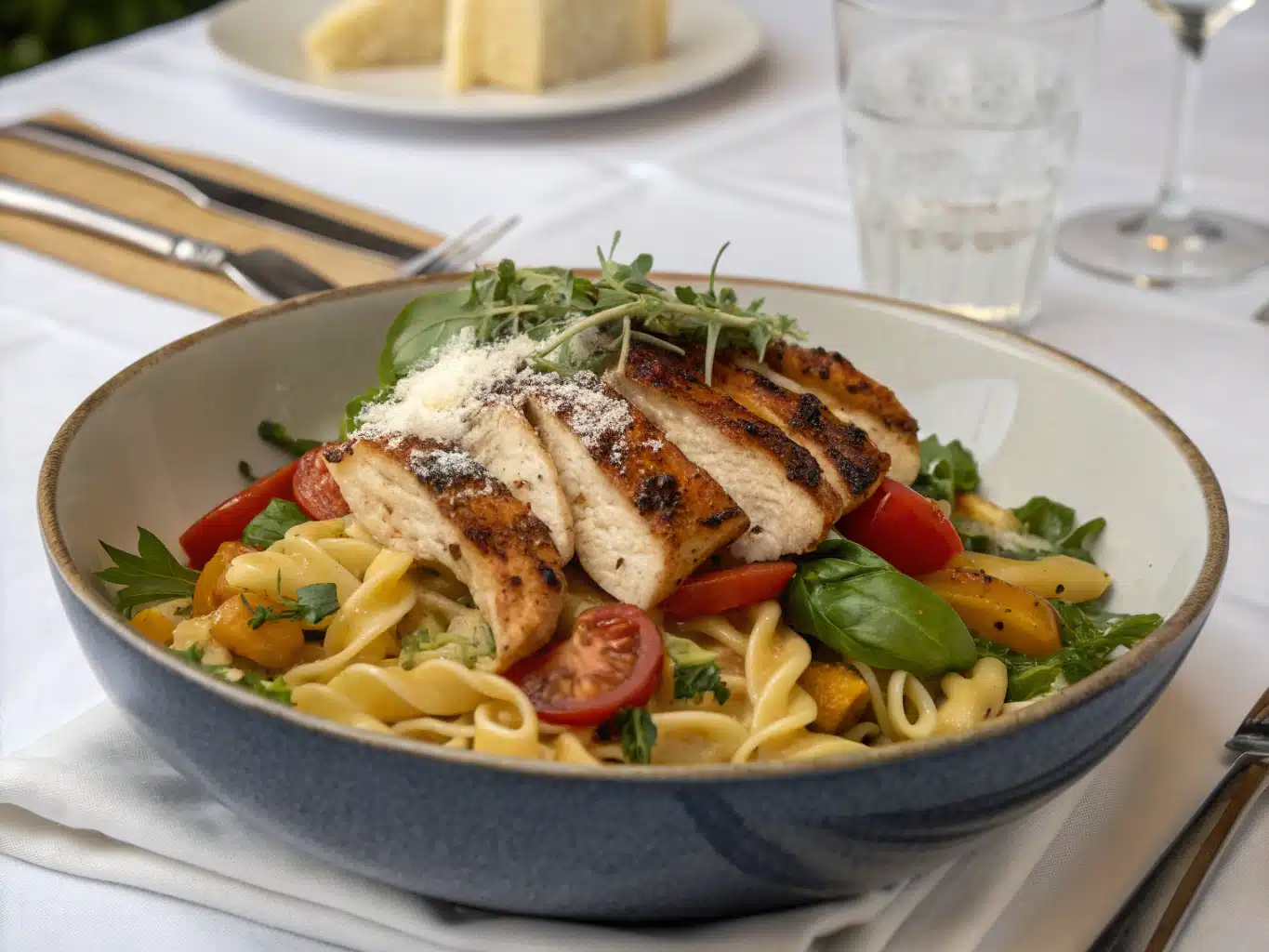
Protein pasta isn’t just another health trend—it’s a game changer for home cooks like me who want to balance taste and nutrition without sacrificing comfort. In this article, we’ll dive into why protein pasta is taking dinner tables by storm, break down how easy it is to make, and explore just how nutritious and satisfying it can be. You’ll also find a step-by-step recipe, some great substitutions, and nutritional comparisons. With 61 years of cooking under my belt—from Georgia’s home-kitchen magic to New Orleans’ culinary edge—I’ll fuse experience and fun to help you bring protein pasta into your own kitchen rotation with flair.
The Flavorful Journey Behind Protein Pasta
A Bowlful of Memory and Muscle
Growing up in Georgia, Sunday gatherings were our sacred ritual. Pots of stewed collards, sweet potato casseroles, and fresh cornbread filled the counters. But what I looked forward to the most was my Aunt Janine’s homemade spaghetti. It was rich, hearty, and fed both the stomach and the soul.
Years later, the comfort of pasta still holds strong, but now I bring a little twist—protein pasta. I discovered it while trying to lower my carb intake without letting go of my favorite meals. Let me tell you, friends, it was love at first bite. Unlike regular noodles, protein pasta offers more than empty calories. It’s hearty, holds sauces well, and keeps you full longer.
Thanks to a few new pantry staples, this dish has become one of my weeknight go-to’s, right next to my ground turkey pasta recipes. It’s now the star of my kitchen, and I’m here to show you why it’s earned that spot.
Why Protein Pasta Is Becoming a Weeknight Hero
Protein pasta is crafted for modern kitchens. Whether you’re chasing macronutrients or simply trying to whip up a satisfying dish on a busy Wednesday night, it’s a powerhouse. It’s perfect for anyone who wants bold flavor, better digestion, and longer-lasting energy.
For me, it’s about more than nutrition—it’s about connection. I’ve taught busy parents how to take viral mushroom pasta recipes and amp them up with protein-packed noodles. We’re talking noodles made from beans, quinoa, or wheat blends that do more than fill you up—they fuel your life. And that’s a win in my book.
Whipping Up the Perfect Protein Pasta Dish
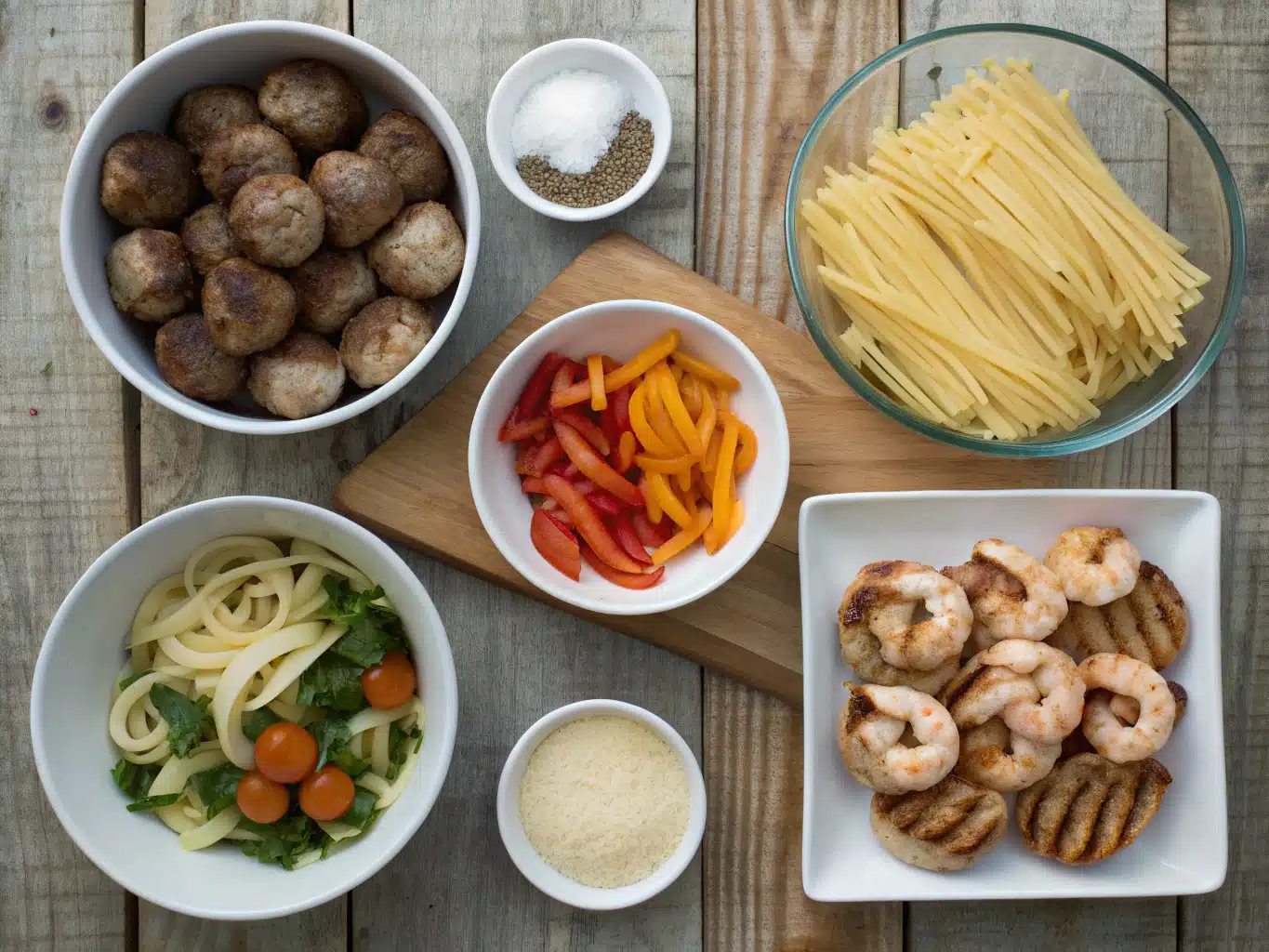
Ingredients List: Flavor Meets Function
Here’s a simple, flavor-forward list of ingredients for my signature protein pasta dish that balances comfort with clean eating. This serves 4 generously.
- 12 oz protein pasta (chickpea, lentil, or edamame based)
- 2 tbsp olive oil
- 3 garlic cloves, minced
- 1 small red onion, diced
- 1 cup cherry tomatoes, halved
- 1 cup sautéed spinach (or try spinach pasta recipes for extra greens)
- 1/4 cup sun-dried tomatoes
- 1/2 cup cooked, shredded chicken (or crumbled tofu for a vegetarian option)
- 1/2 cup grated Parmesan or vegan alternative
- Pinch of crushed red pepper
- Salt and black pepper, to taste
- Juice from half a lemon
Substitutions make this dish adaptable. Swap spinach for kale or arugula. Prefer spice? Add a dash of chili oil. Want a plant-based version? Omit the chicken and cheese, bulk up with mushrooms or roasted chickpeas—check out our popular ziti pasta recipes for more inspiration.
Timing That Works for Busy Cooks
Protein pasta doesn’t just boost nutrients—it saves time. On average, this recipe takes less than 30 minutes, which is 25% quicker than many traditional pasta dishes. Here’s how it breaks down:
| Task | Time (Minutes) |
|---|---|
| Prep | 10 |
| Cooking | 15 |
| Total Time | 25 |
Step-by-Step Instructions: Simple & Delicious
- Cook protein pasta according to package instructions. Most types cook between 6–8 minutes. Drain and reserve 1/4 cup of pasta water.
- While it cooks, heat olive oil in a skillet over medium heat.
- Add garlic and onions. Sauté for 2–3 minutes until fragrant.
- Add cherry tomatoes and cook until softened, around 4 minutes.
- Stir in cooked chicken and sun-dried tomatoes. Season with salt, pepper, and crushed red pepper.
- Toss in spinach and cook just until wilted.
- Add the drained pasta, pasta water, lemon juice, and half of the grated cheese. Toss until everything is glossy and well combined.
- Finish with remaining cheese and a pinch of fresh black pepper.
Pro tip: If your protein pasta tends to dry out quickly (some chickpea-based versions do), drizzle a bit of extra oil at the end. It brings everything together beautifully.
Nutrition-Packed, Belly-Filling Goodness
A Nutritional Standout
Protein pasta isn’t just about macros—it’s about lifestyle. A single serving often has between 14 to 25 grams of protein, depending on the base. Compare that to regular white pasta, which averages only 7 grams, and we’ve got a clear winner.
Protein pasta is packed with complex carbs, fiber, and nutrients like iron and magnesium. According to the USDA, lentils—a common base—are rich in folate and potassium. Plus, higher protein content helps maintain fullness, which can assist with weight management and blood sugar control.
When my friends ask why I use it so often, I point to both the fork and the facts. I can enjoy a comforting bowl and still feel energized—not heavy or bloated. That’s the kind of meal that keeps me coming back.
Tastes Incredible Too
Don’t let the word “protein” fool you—this pasta dishes out some serious flavor. Chickpea-based spirals hold onto sauces well, making them ideal for dishes like our creamy lemon pasta recipes. Edamame or quinoa blends add a slightly nutty undertone that pairs beautifully with greens and spicy proteins.
The biggest surprise to many? The subtle texture difference actually makes meals more interesting. Pair the right sauce, and you’ll never miss traditional pasta. If you’re gluten-sensitive, most blends are naturally wheat-free. I always keep a few bags of options like you’ll see in our gluten-free pasta recipes.
Bringing It into Your Kitchen, the Simple Way
Types of Protein Pasta on the Market
Protein pasta comes in all shapes and sources. Some are made from legumes like black beans or chickpeas. Others blend quinoa, lentils, or soy. Different bases suit different tastes:
| Type | Key Nutrients |
|---|---|
| Chickpea Pasta | High in protein & fiber |
| Lentil Pasta | Rich in iron & folate |
| Quinoa Pasta | Balanced amino acid profile |
Explore cavatappi pasta recipes using these alternatives to experience how they handle texture and sauce differently.
Making Protein Pasta Part of Weekly Rotation
Start by swapping in protein pasta wherever you’d use standard pasta. Mac & cheese? Yep. Pasta salad? Even better. I often batch cook portions to use in quick stir-fry mashups, salad add-ins, or creamy bowls like those in our healthy pasta collection.
Also, don’t overcook it—protein pastas are a bit more delicate. Under-boiling by a minute helps them hold together when tossed with rich sauces or baked in casseroles.
FAQs
Is protein pasta actually better for you?
Yes. It typically offers double the protein and more fiber than traditional pasta, which supports better muscle recovery, satiety, and digestion.
What pasta is high in protein?
Legume-based varieties like chickpea, edamame, and lentil pasta contain the highest protein levels, often ranging from 14–25 grams per serving.
Does protein pasta have carbs in it?
Yes, but they’re mostly complex carbs, not simple sugars. These provide longer-lasting energy and better blood sugar regulation.
What is protein pasta made out of?
It’s commonly made from legumes (like lentils or chickpeas), whole grains, quinoa, soy, or a mix of these—all naturally rich in plant-based protein.
Conclusion: A Comfort Food That Powers You Forward
Protein pasta blends everything I love about cooking: comfort, creativity, and community. Whether you’re after something energizing, gluten-conscious, or simply satisfying, it’s a powerful and flavorful foundation. From Sunday suppers to Tuesday toss-togethers, there’s a reason it keeps landing on my table—and now, hopefully, yours too.
So go ahead, stir the pot and power your plate. This isn’t just pasta—it’s a whole new way to celebrate food.
Print
Protein Pasta: Why It Belongs in Every Kitchen
- Total Time: 25 minutes
- Yield: 4 servings 1x
Description
A high-protein, flavor-forward pasta dish made with chickpea or lentil noodles, packed with veggies, protein, and zest—perfect for quick, nutritious weeknight meals.
Ingredients
12 oz protein pasta (chickpea, lentil, or edamame based)
2 tbsp olive oil
3 garlic cloves, minced
1 small red onion, diced
1 cup cherry tomatoes, halved
1 cup sautéed spinach
1/4 cup sun-dried tomatoes
1/2 cup cooked, shredded chicken (or crumbled tofu)
1/2 cup grated Parmesan or vegan alternative
Pinch of crushed red pepper
Salt and black pepper, to taste
Juice from half a lemon
Instructions
1. Cook protein pasta according to package instructions. Drain and reserve 1/4 cup pasta water.
2. Heat olive oil in a skillet over medium heat.
3. Add garlic and onions. Sauté for 2–3 minutes until fragrant.
4. Add cherry tomatoes and cook until softened, around 4 minutes.
5. Stir in cooked chicken and sun-dried tomatoes. Season with salt, pepper, and crushed red pepper.
6. Toss in spinach and cook just until wilted.
7. Add the drained pasta, pasta water, lemon juice, and half of the grated cheese. Toss until everything is well combined.
8. Finish with remaining cheese and a pinch of black pepper.
Notes
To make it plant-based, omit chicken and cheese; use tofu, mushrooms, or roasted chickpeas.
Avoid overcooking protein pasta—it holds texture better with slight firmness.
Drizzle extra oil if pasta dries out.
- Prep Time: 10 minutes
- Cook Time: 15 minutes
- Category: Dinner
- Method: Stovetop
- Cuisine: American
Nutrition
- Serving Size: 1 bowl
- Calories: 390
- Sugar: 5g
- Sodium: 320mg
- Fat: 13g
- Saturated Fat: 3g
- Unsaturated Fat: 9g
- Trans Fat: 0g
- Carbohydrates: 45g
- Fiber: 9g
- Protein: 24g
- Cholesterol: 40mg
Keywords: protein pasta, healthy pasta, high protein dinner, gluten-free option