
Disclosure: This post may contain affiliate links. As an Amazon Associate, we earn from qualifying purchases—at no extra cost to you.
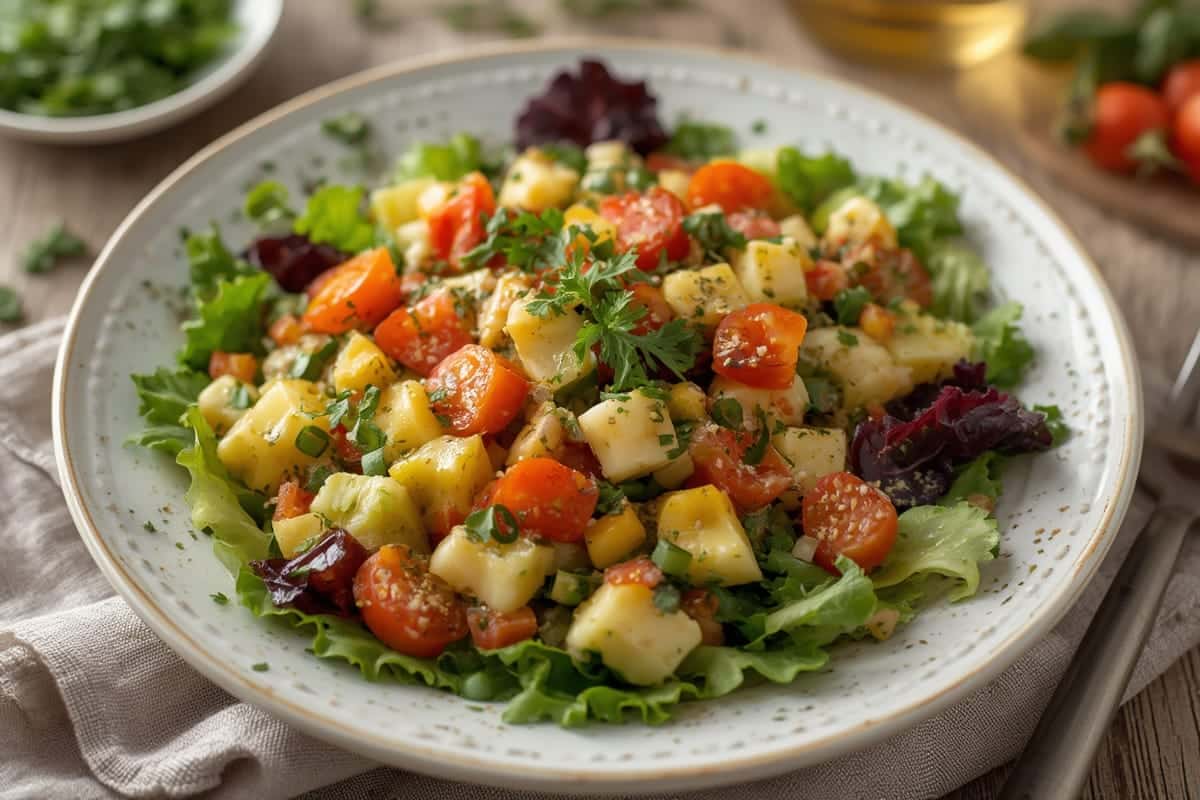
When it comes to mealtimes that bring people together, there’s nothing quite like a shared table full of color, crunch, and bold flavor. Back home in Georgia, we measured time by suppers and Sunday dinners. My Aunt Pearl made this spicy mustard vinaigrette that could turn iceberg into gold—and I watched, wide-eyed, as it came together in a mason jar. Fast forward a few decades, several culinary ventures, and a whole lot of experimenting in my Austin kitchen, and I can truthfully say that the heart of most good salads is always the dressing.
That’s exactly what this guide to SALAD DRESSING RECIPES is about—not just combinations of oil and vinegar, but that spark of flavor that ushers greens into greatness. Whether it’s a bright lemon tahini drizzle over roasted veggies or a punchy chimichurri echoing a dish like chimichurri steak, it all starts with learning the basics, then making them your own.
Let’s break down the four essential parts of building flavorful salad dressing recipes from scratch with ease, efficiency, and enthusiasm.
The Flavor Foundation: Building Blocks of Great Dressings
What Makes a Great Salad Dressing Tick?
Every memorable salad dressing balances five key taste elements: saltiness, sweetness, acidity, fat, and the occasional kick of umami. From a straightforward vinaigrette to fruit-blended concoctions, all SALAD DRESSING RECIPES start here. You’re really just riffing on a simple song of oil, acid, plus seasoning—and the fun comes in layering unexpected flavor notes.
Think about the garlic bloom in a creamy green goddess inspired by this vibrant take or the slow-simmered richness found in dips like caramelized onion. Those nuances come from understanding how ingredients work together.
The basic ratio for vinaigrette-style dressings? Three parts oil to one part acid. From there, customization is key. Add-ins might include minced shallots, grated citrus zest, Dijon mustard, or a drizzle of this honey dispenser to keep your hands mess-free.
Tools of the Trade: Gear That Makes Mixing Easier
Whisking feels romantic, sure—but investing in simple kitchen tools can elevate the whole experience. A high-quality salad dressing shaker saves time and cleanup. For blitzing creamy dressings or emulsifying tougher ingredients (think tahini or sun-dried tomatoes), a compact immersion blender will quickly become your new best friend.
Also helpful? A microplane grater for zest or garlic, and small reusable jars that double as prep containers. Even a wide-mouth mason jar set simplifies storage while maintaining flavor integrity in the fridge for up to a week.
Classic and Creative Dressings You Can Make Today
Ingredients List: From Pantry Basics to Bold Add-Ins
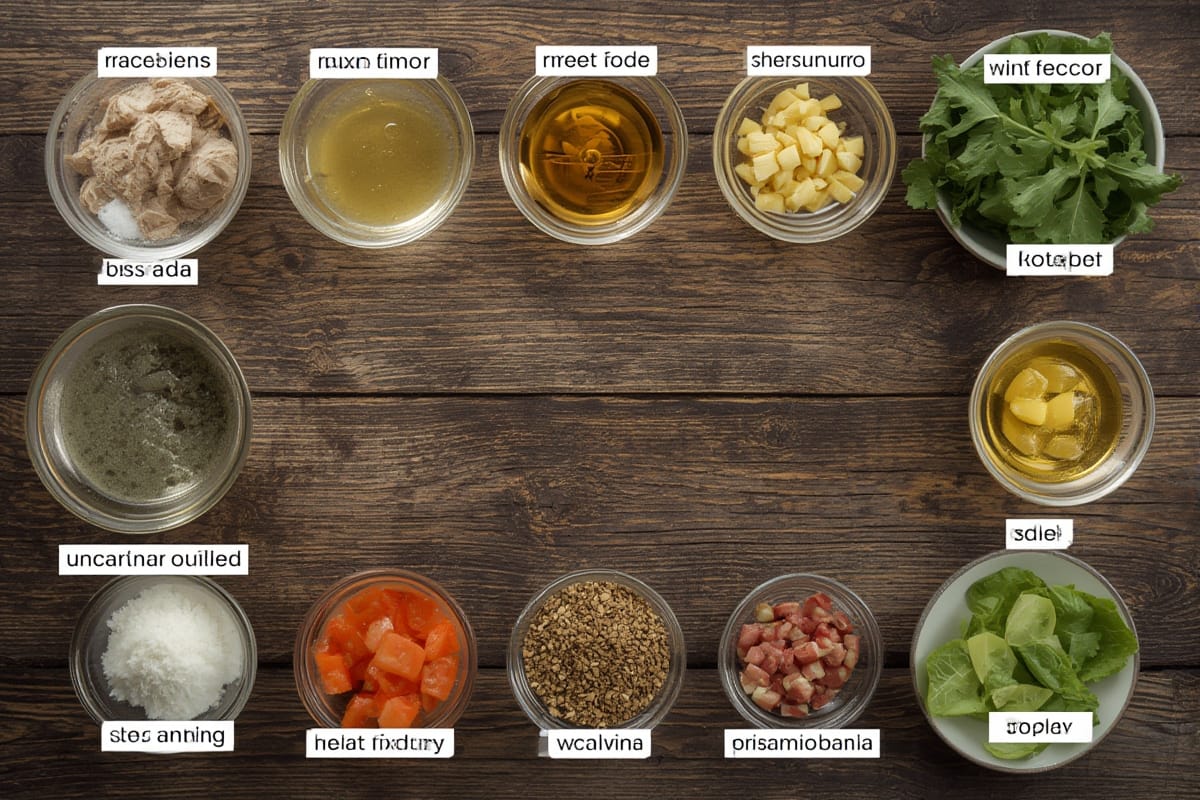
Here’s your starting point for flexible, delicious SALAD DRESSING RECIPES. The core ingredients don’t change much—and the beauty lies in substitution.
| Ingredient | Suggested Alternatives |
|---|---|
| Extra Virgin Olive Oil | Avocado oil, grapeseed oil |
| Vinegar (balsamic, red wine, apple cider) | Lemon juice, lime juice, rice vinegar |
| Dijon mustard | Whole grain or spicy brown mustard |
| Honey or Maple Syrup | Agave nectar, date syrup |
| Minced Garlic or Shallots | Roasted garlic purée, chive oil |
Dressings built from these staples can swing towards Mediterranean, Latin, or Asian flavors depending on the blend.
Timing
Most dressings come together in under 10 minutes from start to finish. Compare that to the average prep time of store-bought convenience sauces—or even waiting for a delivery—and it’s easy to see the payoff. Emulsified dressings, like creamy tahini or blended avocado-lime, might stretch to 12–15 minutes, especially if you’re creating a compound base like those in herb butter spreads.
Step-By-Step: Zesty Lemon-Herb Vinaigrette
- In a medium bowl (or a shaker jar like this drip-free one), add 1/4 cup lemon juice, 1 teaspoon Dijon mustard, 1 small grated garlic clove, and 1 teaspoon honey.
- Whisk together or shake well.
- Slowly stream in 3/4 cup olive oil while whisking or blending until fully emulsified.
- Fold in 2 tbsp finely chopped parsley or mint.
- Taste and adjust with salt and black pepper. Add more lemon juice if you prefer tangier notes.
This simple vinaigrette elevates everything from leafy greens to grain bowls and grilled vegetables.
Healthy, Wholesome, and Bold: Nutrition Meets Flavor
Exploring Healthy Salad Dressing Recipes
Homemade dressings give you full control over ingredients—especially sugar, sodium, and preservatives. Want creamy texture without relying on mayo or sour cream? Use Greek yogurt, blended tofu, or soaked cashews. Try a vibrant whipped feta spin similar to this whipped feta dip for a high-protein touch.
Looking for gut-friendly options? Dressings with miso or fermented mustard bring flavor and function. For readers concerned with calories and heart health, this harvard.edu nutrition resource is an excellent place for evidence-based salad ideas.
Vibrant Combos to Reinvent Your Salads
- Avocado green goddess with lime juice and basil.
- Smoky chipotle with roasted red peppers.
- Salsa verde twist featuring herbs and citrus like this take on salsa verde chicken.
These blends prove how dressings constructed from real-world ingredients become not just condiments—but full characters on the plate.
How to Store, Customize, and Elevate Homemade Dressings
How Long Does Homemade Salad Dressing Last in the Fridge?
Most vinaigrette-style dressings keep well in the refrigerator for about 1–2 weeks, while creamy variations (those using yogurt, cheese, or emulsions) are best within 5–7 days. Always store in sealed glass jars, and label with the date.
Ingredient freshness also matters. Lemon juice or shallots will preserve longer than milky bases. If it smells off, separate, or changes color abruptly, it’s best to discard.
Customization: From Season to Plate
Don’t limit your SALAD DRESSING RECIPES to just “salads.” Try drizzling dressings over grilled fish, roasted chickpeas, baked sweet potatoes, or even as dips like queso blanco variation.
Use seasonal flavors: citrus and pomegranate molasses in winter, stone fruits and jalapeño in summer.
Make larger batches and store in portion-controlled glass containers. Whip up themed jars of Moroccan-spiced dressings or Italian herbed vinaigrettes, ready to go.
Add some anchoring starch for body—quinoa water, starchy pasta water, or tahini can all help create thicker consistencies without affecting halal status or nutritional profiles.
FAQs
How do you make salad dressing from scratch?
Start with the standard ratio of 3 parts oil to 1 part acid (like vinegar or lemon juice). Mix in a teaspoon of mustard or honey to help emulsify, then add salt, pepper, herbs, or garlic for flavor. Shake or whisk until blended.
What is the basic ratio for vinaigrette salad dressing?
Most vinaigrettes follow a 3:1 ratio of oil to acid. For instance, ¾ cup olive oil with ¼ cup balsamic vinegar. Adjust to taste—some prefer a zippier 2:1 blend.
What are healthy salad dressing recipes?
Healthy recipes use whole, fresh ingredients. Yogurt-based dressings, oil-free tahini blends, or those made with avocado and herbs skip the preservatives and sugars common in bottled versions.
How long does homemade salad dressing last in the fridge?
Oil-based vinaigrettes last 1–2 weeks refrigerated. Creamy or dairy-based dressings are best eaten within 5–7 days. Shake before every use to remix any separation.
Conclusion
From creamy green goddesses to tangy vinaigrettes and yogurt-based blends, homemade SALAD DRESSING RECIPES let you control every flavor—without losing the fun. Whether you’re lightening up lunch, drizzling over grain bowls, or turning a grilled peach into dessert magic, these sauces add joy to your everyday kitchen rhythm.
So go ahead—shake, blend, taste, and pour. Already on a roll? Explore bright flavors like this creamy French onion dip for new ideas on how sauces and toppings can elevate every bite you create.
PrintZesty Lemon-Herb Vinaigrette
- Total Time: 10 minutes
- Yield: 1 cup 1x
Description
A bright, citrusy vinaigrette that’s perfect for leafy greens, grilled veggies, or quinoa bowls. Quick, healthy, and packed with fresh herbs.
Ingredients
1/4 cup fresh lemon juice
1 teaspoon Dijon mustard
1 grated garlic clove
1 teaspoon honey
3/4 cup extra virgin olive oil
2 tablespoons finely chopped parsley or mint
Salt and black pepper to taste
Instructions
In a medium bowl or salad shaker, combine lemon juice, mustard, grated garlic, and honey.
Whisk until blended, then slowly drizzle in olive oil while continuing to whisk.
Add herbs, season with salt and black pepper, and whisk again or shake well to emulsify.
Store in a glass jar and refrigerate up to 10 days.
Notes
Use lime juice for a twist.
Double the batch for weekly salad prep.
Goes great as a drizzle over grilled chicken or roasted potatoes.
- Prep Time: 10 minutes
- Cook Time: 0 minutes
- Category: Sauces & Dressings
- Method: Whisked
- Cuisine: Mediterranean
Nutrition
- Calories: 140
- Fat: 14g
- Carbohydrates: 2g
- Fiber: 0g
- Protein: 0g
- Cholesterol: 0mg
Keywords: lemon vinaigrette, healthy salad dressing, oil-free salad dressing, vinaigrette recipe