
Disclosure: This post may contain affiliate links. As an Amazon Associate, we earn from qualifying purchases—at no extra cost to you.
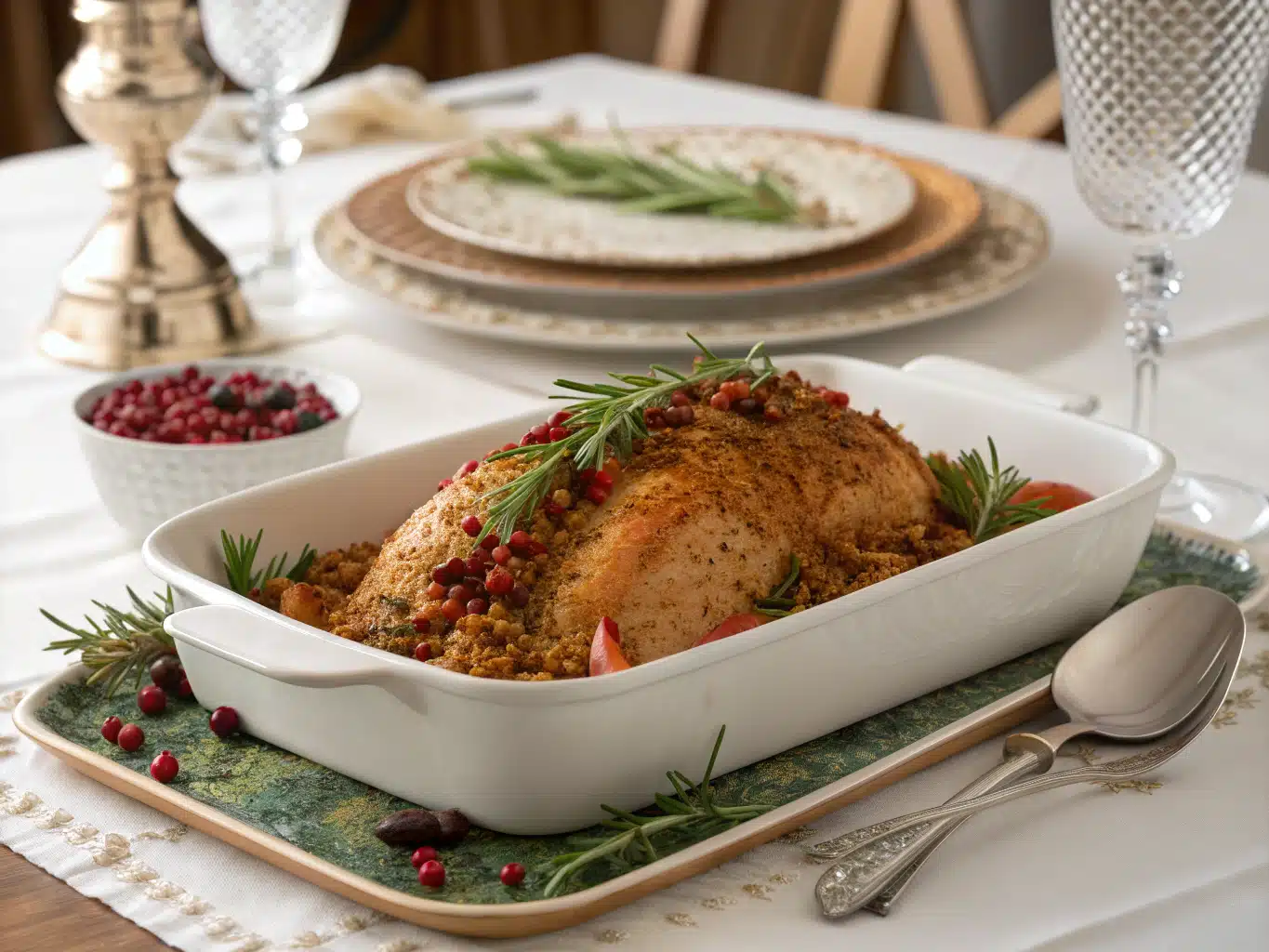
Table of Contents
You know, every year as the holidays approach, I’m reminded of a Thanksgiving when I was a kid in Georgia. My grandma—who seemed to season food by instinct—rubbed down the turkey with a concoction so aromatic and savory it practically scented the whole neighborhood. That was the first time I understood the magic of a good turkey rub. Now, decades later as a chef in Austin, Texas, creating the perfect turkey rub brings me back to that same wonder.
In this article, we’ll dive deep into all things turkey rub—from how to make your own signature blend to seasoning tips that’ll elevate your bird. Whether you’re prepping for the holidays or just tackling a weeknight roast, this guide helps you master flavor from the outside in. Let’s get your kitchen smelling like memories-in-the-making.
Why a Turkey Rub Changes the Roast Game
It’s More Than Salt and Pepper
Let’s clear something up—seasoning a turkey with just salt and pepper might have worked for your college roommate, but if you’re after real flavor, you need to step it up. A turkey rub is a blend of spices, herbs, and sometimes oils or sugars massaged directly onto the bird. Unlike marinades (which soak in), a rub stays on the surface, creating a crust packed with flavor and texture when cooked.
Whether you’re dry rubbing for that crispy skin, or using olive oil to stick the spices to the bird more effectively (more on that later), the turkey rub is where the transformation starts. I’ve experimented with using chipotle powder, smoked paprika, even za’atar once — and the results are always a conversation starter.
Tailor It to Your Taste—and Traditions
One of the things I love most about turkey rubs is how personal they can become. Just like Sunday potlucks back home where Aunt May’s casserole tasted different every time, your rub can evolve. Add cumin for warmth, coriander for citrusy pop, or brown sugar for a sticky-sweet finish.
Check out these inspired recipes while you’re at it—this orange chicken recipe features zest and soy that would amp up a turkey rub beautifully, and these garlic parmesan chicken flavors lend themselves fantastically to poultry in general.
This is where a turkey stops being generic and starts becoming yours.
The Ultimate Homemade Turkey Rub Recipe
Ingredients List: Build Your Flavor Foundation
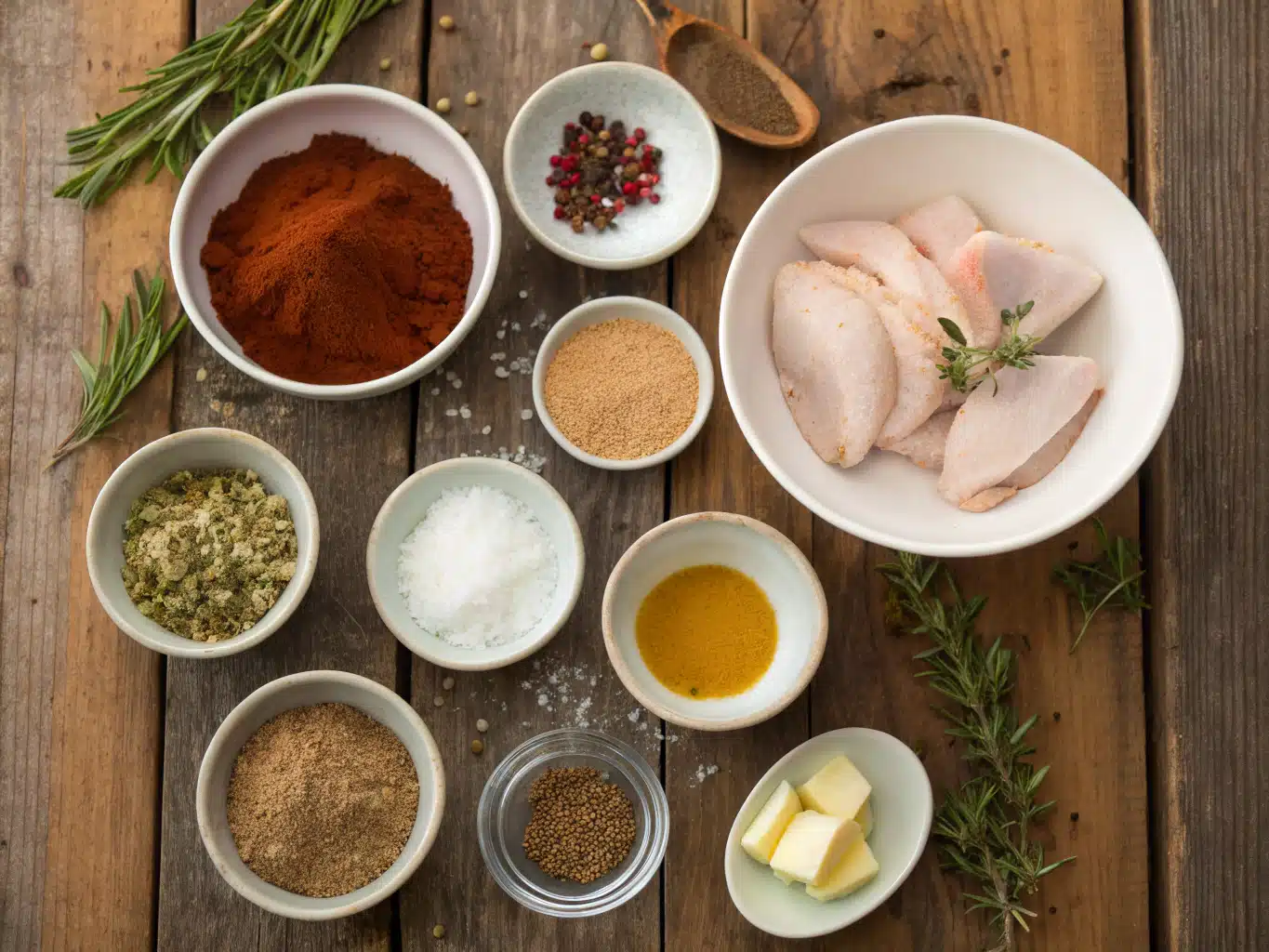
To really nail that juicy, crispy beauty of a bird, you need the right combo of aromatics, herbs, and umami boosters in your turkey rub. Below is my tried-and-true base, and I’ve also added optional twists to keep things exciting.
| Ingredient | Substitution/Note |
|---|---|
| 2 tbsp kosher salt | Use sea salt for finer grains |
| 1 tbsp smoked paprika | Swap for sweet paprika for less heat |
| 1 tbsp ground black pepper | Use white pepper for subtle spice |
| 1 tsp cayenne (optional) | Add for heat, omit for milder taste |
| 2 tsp garlic powder | Not interchangeable with fresh garlic |
| 2 tsp onion powder | Boosts depth and umami |
| 1 tbsp dried thyme | Use rosemary for woodier flavor |
| 2 tbsp olive oil or melted butter | Oil for crisp skin, butter for richness |
Timing and Process: When to Rub, How to Max Flavor
Apply your turkey rub at least 12 to 24 hours before roasting. Why? It gives time for the salt to dry-brine and pull moisture out of the skin, allowing it to then be reabsorbed into the meat. This results in meat that’s well-seasoned all the way through—not just at the surface.
Here’s how timing typically breaks down:
- Preparation: 10 minutes
- Rest Time (pre-roast): 12–24 hours
- Roasting: 2.5–4 hours depending on bird size
- Total Time (including prep and rest): Around 14–28 hours
Even the classic chicken breast recipes on our site benefit from a good rub and longer rest.
Step-by-Step Instructions
- Clean and pat dry the turkey to help the rub adhere better.
- Mix all dry ingredients in a bowl. Add olive oil or butter until it forms a paste.
- Begin by loosening the skin of the turkey and rubbing some mixture underneath. Rub the rest generously over the skin and inside the cavity.
- Let it rest uncovered in the fridge overnight. This not only infuses flavor but also helps dry the skin for crispiness.
- Roast as desired. Use a meat thermometer for accuracy. You’re looking for 165°F in the breast and 175°F in the thigh.
For a great gravy pairing, try this timeless turkey gravy recipe that’ll round out your plate perfectly.
Making the Turkey Rub Work for Every Bird
Should You Use Olive Oil or Butter?
This depends on what you’re aiming for. Olive oil is great for a crispier skin, thanks to its high smoke point. Butter, on the other hand, imparts a deep, rich flavor and helps promote browning. I’ve tested both, even combined them—and the winner often depends on your preferred texture.
According to Harvard’s nutrition site, both fats can be healthy in moderation, especially when balanced with herbs and spices instead of salt-heavy blends.
Customize the Rub for Different Occasions
Want a Thanksgiving classic? Add sage, rosemary, and a pinch of cloves. Serving it up smoked in the summer? Use brown sugar and chili powder for a BBQ-inspired taste.
If you often make sauces to go alongside, like this how to make gravy tutorial suggests, then your rub’s warm spice variety should complement rather than overpower. Post-holiday turkey risottos or sandwiches shine when your rub flavor holds up under reheating.
Feeling creative? Cross-season the rub with ideas from these chicken wings using lemon-pepper, or Australian-style using insights from Aussie rissoles with gravy.
Storage, Leftovers & Bonus Tips
Rub Storage: Make-Ahead Made Easy
Turkey rub can easily be made in advance and kept for future use. Just store the dry rub in an airtight container in a cool, dark pantry. It’ll stay fresh for up to six months. If you’ve added oil or butter, refrigerate and use within a week. Perfect for planning ahead during the busy holiday season!
Also smart—double the batch, and use any leftovers on roasted vegetables.
Don’t Skip the Resting Time for the Meat
Most people get so focused on the rub they forget the turkey itself needs rest. After roasting, let your bird sit at room temperature for 15–20 minutes. This allows the juices to redistribute, making your turkey juicy rather than letting all that hard-earned flavor run out on the cutting board.
You’ve invested time in that turkey rub; now give the meat time to show you what it can do.
FAQs
What’s a good rub for a turkey?
A good turkey rub includes kosher salt, black pepper, smoked paprika, garlic powder, and thyme as a base. From there, customize it with your favorite spices like cumin, mustard powder, or even a touch of cinnamon for a holiday twist.
What is the best way to season turkey?
The best way is to dry-rub the bird with a spice-and-oil paste at least 12 to 24 hours before roasting. Be sure to get under the skin and into the cavity for full impact. Letting the bird rest uncovered helps build crisp skin.
Should I rub my turkey with olive oil or butter?
Use olive oil if you want ultra-crispy skin. Opt for butter if you’re after a rich, brown crust and slightly sweeter taste. A mix of both often gives the best results—you don’t have to choose just one!
When should I dry rub my turkey?
Apply your turkey rub at least one day in advance and let the bird rest uncovered in the fridge. This allows the rub to penetrate the meat and promotes even browning during roasting.
Conclusion
There’s something special about the smell of a well-rubbed turkey roasting in the oven—it signals warmth, family, and the joy of shared meals. The right turkey rub doesn’t just season your bird; it sets the stage for an unforgettable meal.
With simple ingredients, a little prep, and a touch of creativity, you can make every bite taste like home. Whether you’re sticking with tradition or throwing in a flavor twist, that rub is where the real journey starts.
Print
Best Turkey Rub Recipes for Flavorful, Juicy Results Every Time
- Total Time: 14–28 hours
- Yield: 1 turkey (10–14 lbs) 1x
Description
A flavorful homemade turkey rub using herbs, spices, and your choice of olive oil or butter. Perfect for juicy, aromatic, and crispy-skinned turkey that transforms your holiday roast.
Ingredients
2 tbsp kosher salt
1 tbsp smoked paprika
1 tbsp ground black pepper
1 tsp cayenne (optional)
2 tsp garlic powder
2 tsp onion powder
1 tbsp dried thyme
2 tbsp olive oil or melted butter
Instructions
1. Clean and pat dry the turkey to help the rub adhere better.
2. Mix all dry ingredients in a bowl. Add olive oil or butter until it forms a paste.
3. Loosen the skin of the turkey and rub some mixture underneath. Rub the rest generously over the skin and inside the cavity.
4. Let it rest uncovered in the fridge overnight.
5. Roast as desired. Use a meat thermometer: 165°F in the breast, 175°F in the thigh.
Notes
Apply the rub 12–24 hours before roasting for maximum flavor.
Use olive oil for crispy skin, butter for richer flavor—or mix both!
Store dry rub in an airtight container up to 6 months; if using oil/butter, refrigerate and use within 1 week.
Let the roasted turkey rest for 15–20 minutes before carving.
- Prep Time: 10 minutes
- Cook Time: 2.5–4 hours
- Category: Main
- Method: Roasting
- Cuisine: American
Nutrition
- Serving Size: Varies
- Calories: —
- Sugar: —
- Sodium: —
- Fat: —
- Saturated Fat: —
- Unsaturated Fat: —
- Trans Fat: —
- Carbohydrates: —
- Fiber: —
- Protein: —
- Cholesterol: —
Keywords: turkey rub, Thanksgiving, holiday, dry rub, roasted turkey