
Disclosure: This post may contain affiliate links. As an Amazon Associate, we earn from qualifying purchases—at no extra cost to you.
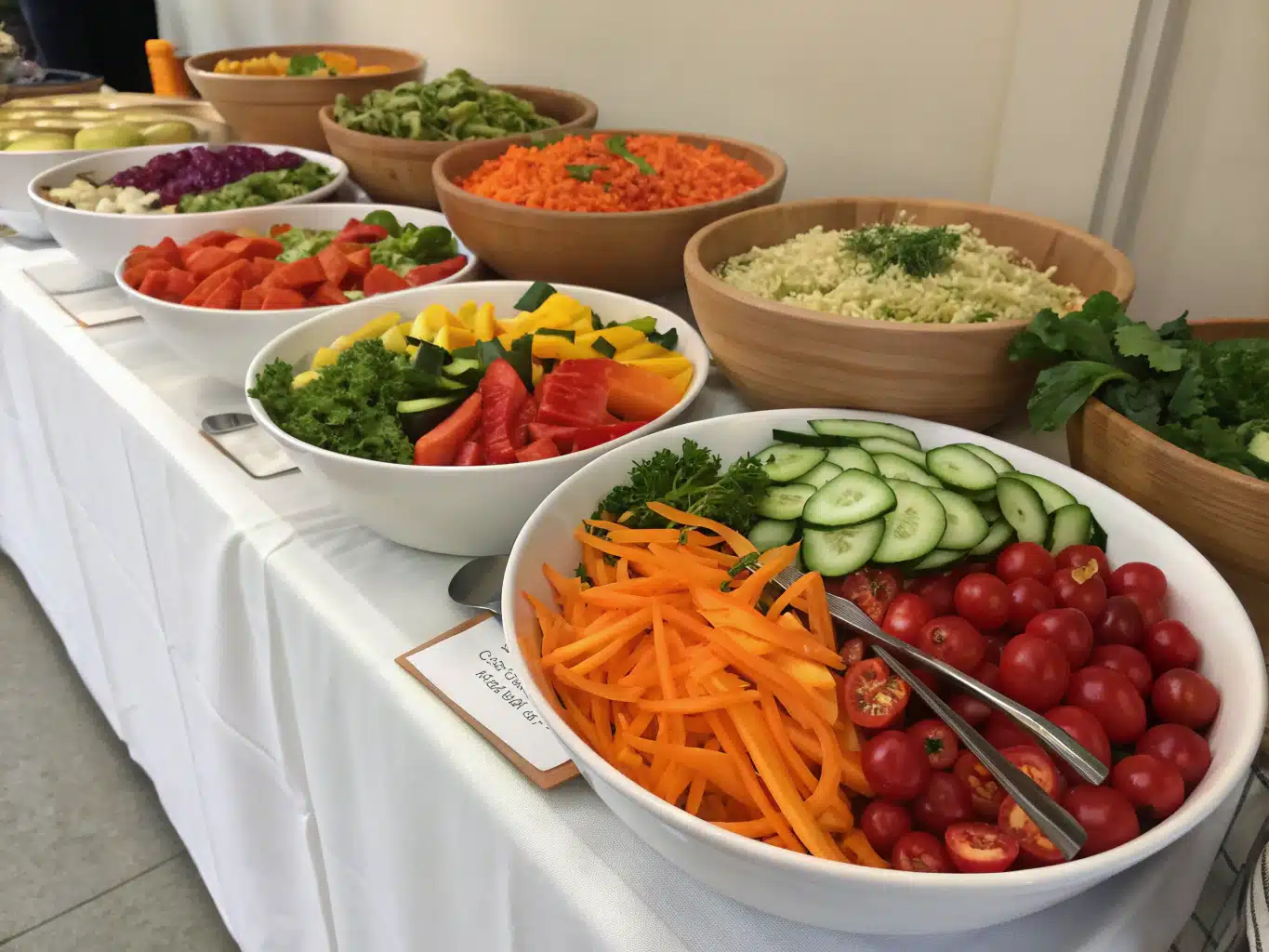
Veggie bowls have become one of my weeknight go-tos—it started as a quick fix with leftover roasted vegetables, but now it’s evolved into something much more intentional and craveable. Growing up in Georgia, we used to have family-style spreads on Sundays, where dishes told stories and vegetables were never just a side note. These days in my Austin kitchen, I’m still telling those stories, just with a rainbow of roasted carrots, charred corn, tangy tahini, and a big spoonful of sass.
The beauty of veggie bowls? They pack serious flavor, texture, and nutrition into one colorful bowl—and they’re endlessly customizable. Whether you’re plant-based or just trying to sneak in more greens, these bowls are a delicious place to start. In this article, we’ll dive into why veggie bowls are trending, how to build them with ease, tasty ingredient swaps, and even the nutrition scoop. And yes, I’ll guide you through exactly how to make one that’ll knock your socks off.
Why Veggie Bowls Are the New Kitchen MVP
A Bowl Full of Story and Flavor
I remember tossing my first real veggie bowl together after a particularly long day in New Orleans culinary school. It had black beans, leftover corn pudding, and a quick chili vinaigrette. It wasn’t fancy, but it had heart—and that’s what veggie bowls bring to the table. Today, veggie bowls are showing up everywhere from fast-casual menus to home kitchens because they’re satisfying, photogenic, and easy to whip up, no matter how stocked your fridge is.
Veggie bowls take cues from global influences like Mediterranean mezze, Middle Eastern grain bowls, and Korean bibimbap. There’s a balance of vegetables, protein, and sauce so every bite is rich with texture and flavor. It’s no wonder so many home cooks are leaning into them. They check all the boxes: healthful, fun to prep, and endlessly creative.
Over the years, I’ve given traditional bowls my own twist—sometimes throwing in roasted beet salad or piling on kale salad as the base. The best part? You don’t have to follow any hard rules. It’s more of a choose-your-own-delicious-adventure.
Everyday Benefits of Peak Nutrition
Not only are veggie bowls easy to make, they’re also packed with good-for-you ingredients. Think fiber-rich grains, lean plant-based proteins, and antioxidant-loaded greens that keep your energy up and your digestion in check. If you’re someone who struggles to “eat the rainbow,” this is your cheat code.
A well-balanced bowl gives you sustained energy without the heavy crash, making it perfect for lunch or dinner. You can even pack bowls with quinoa and legumes to keep them protein-rich, especially if you’re trying to cut down on meat. They’re also easily meal-prepped, with many components stored separately and assembled when you’re ready to eat.
Add in fermented veggies like kimchi, tangy pickled onions, or a dollop of hummus and suddenly your bowl is working overtime for your gut health. You’ll get prebiotics, probiotics, and a serious flavor punch in one simple bowl.
How to Build the Perfect Veggie Bowl
Ingredients That Bring the Bowl to Life
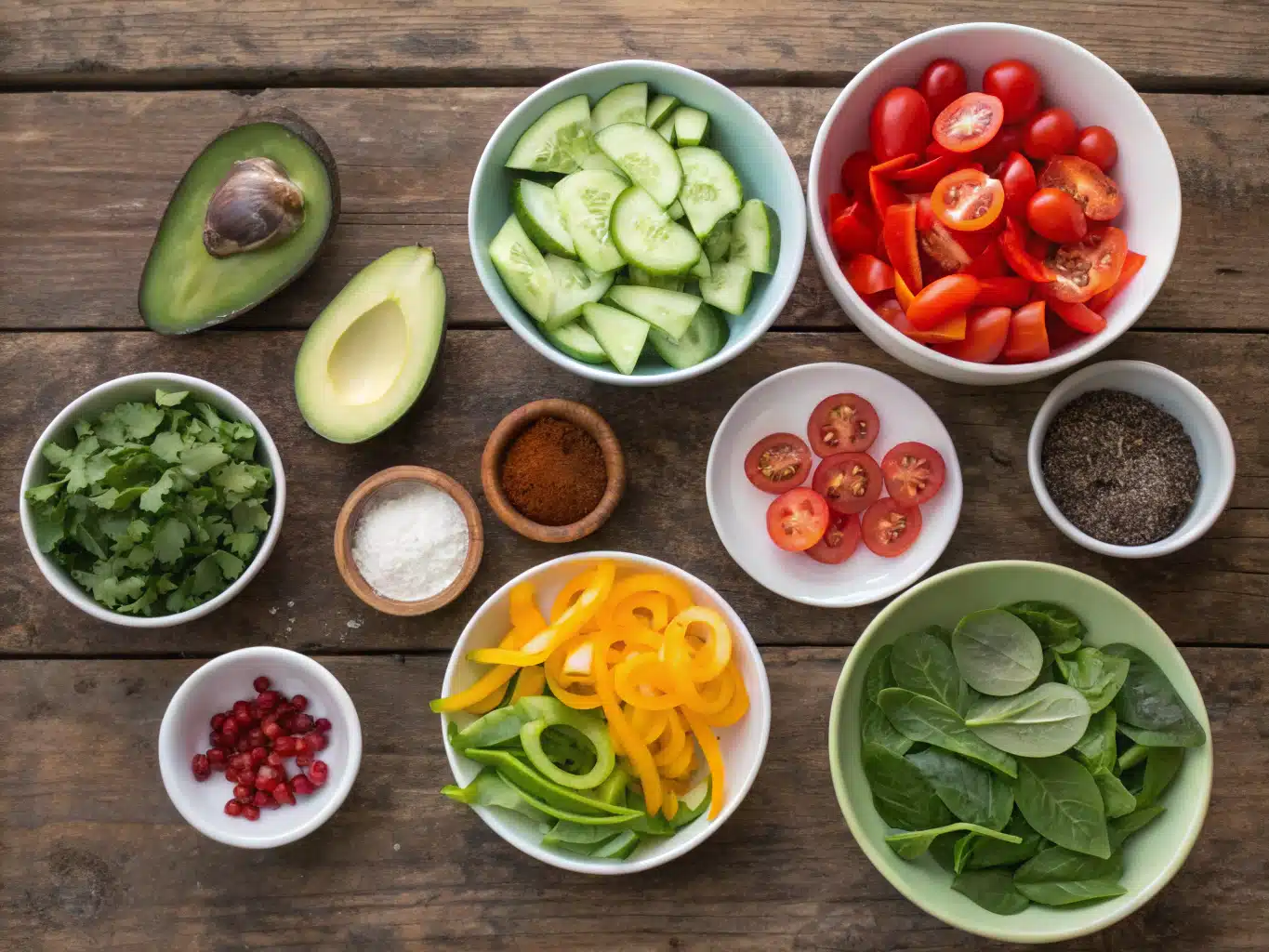
Alright, let’s roll up our sleeves and build a veggie bowl that’s worthy of your table. At its core, a great veggie bowl has five key components: a base, vegetables, protein, a flavorful sauce, and garnishes. Here’s what you need:
| Component | Suggestions |
|---|---|
| Base | Brown rice, cauliflower rice, quinoa, couscous |
| Veggies | Roasted sweet potatoes, sautéed zucchini, kale, cherry tomatoes |
| Protein | Chickpeas, tofu, lentils, soft-boiled eggs |
| Sauce | Tahini dressing, chimichurri, peanut sauce, yogurt garlic drizzle |
| Garnish | Toasted seeds, avocado, lime wedges, microgreens |
Customize according to your vibe. Want something fresh and zippy? Try a base of rainbow salad. Craving cozy? Roasted root vegetables over warm cauliflower rice will hit the mark.
Timing That Works with Real Life
These bowls aren’t just tasty, they’re also efficient. On average, building veggie bowls takes about 30–40 minutes tops—and that includes roasting and prepping sauce. Here’s a common breakdown:
- Prepping veggies + grains: 10–15 minutes
- Roasting or sautéing: 20 minutes
- Blending sauce or dressing: 5 minutes
- Assembling: 5 minutes
That’s under 45 minutes from fridge to table—about 20% faster than most baked dinner recipes. If you prep your components in advance (roasting double veggies or making a giant jar of dressing), you can assemble a new bowl variation every day of the week with minimal extra effort.
You don’t need fancy tools either. One sheet pan, a sharp knife, and a blender or jar shaker for dressing will do just fine. It’s the kind of recipe system that supports flexibility and creativity any night of the week.
Step-by-Step Guide to Bowl Bliss
Let’s make a spicy-tahini chickpea veggie bowl:
- Preheat your oven to 425°F. Roast sweet potatoes and red onions with olive oil, cumin, and smoked paprika—20 minutes or until golden.
- While that’s cooking, cook 1 cup quinoa and let cool slightly.
- In a bowl, toss drained chickpeas with chili powder, olive oil, and garlic powder. Bake alongside the veggies for the last 15 minutes until crispy.
- Whisk tahini, lemon juice, maple syrup, garlic, and a splash of warm water until smooth. Add cayenne for extra zing.
- Assemble: quinoa base, roasted veggies, chickpeas, fresh spinach, pickled red onions, and drizzle the tahini dressing on top.
Want something even lighter? Top with a spoonful of this gorgeous Greek salad as a punchy side or scoop.
Veggie Bowls That Work for Your Real Life
Smart Tips for Swapping and Upgrading
Once you’ve built a few bowls, you’ll want to start mixing things up. Swap grains like white rice for high-protein quinoa salad or cauliflower rice. Not only will it give a different texture kick, but it also accommodates grain-free or low-carb eaters easily.
Stir-fried veggies like broccoli or asparagus add faster cook times if you’re in a dinner crunch. Out of chickpeas? Go for black beans, edamame, or a boiled egg—all equally tasty and protein-rich. Lean into seasonal produce: butternut squash in fall or asparagus in spring give bowls that farm-fresh touch.
Looking for more protein? Consider stirring in Greek yogurt or adding crumbled feta. Amp up crunchy textures with pumpkin seeds or crispy shallots. The combinations are limitless—and always delicious.
Health Benefits Backed by Science
Beyond the kitchen, veggie bowls do your body good. Diets rich in fruits, vegetables, whole grains, and legumes are linked to reduced risk of chronic diseases including diabetes, heart disease, and obesity. According to the Centers for Disease Control and Prevention, plant-forward eating improves overall health and longevity.
You’re not just cutting calories; you’re filling up on fiber, complex carbs, good fats, and natural vitamins in their purest form. Each time you build a bowl, you’re playing nutritionist, chef, and artist in one.
A few long-term perks:
- More energy during the day
- Better digestion thanks to fiber
- Better skin, heart health, and immunity from antioxidants and healthy fats
- Lower grocery bills when you shop produce-forward
Build with intention, eat with joy.
Veggie Bowls: Beyond the Basics
Adding Cultural Flavors to Everyday Bowls
If you asked my friends what Raymond’s signature veggie bowl was, they’d probably say “mess of flavors but it works”—and they’d be right. Incorporating global flavor corners can totally elevate your bowls. For example, Moroccan bowls add preserved lemon and spiced chickpeas. Thai-inspired creations get peanut sauce, shredded carrot, and cilantro.
Spice blends like za’atar, garam masala, or furikake wake up even the plainest roasted veggie. Drizzle with sesame oil or miso vinaigrette for Japanese flair. You don’t need to go full fusion—but a small taste twist can breathe whole new life into your weeknight rotation.
And don’t forget, chickpea salad works wonderfully as a quick throw-in addition to Mediterranean bowls.
Veggie Bowls for Every Lifestyle
Whether you’re vegan, vegetarian, gluten-free, or just food curious, veggie bowls are effortlessly adaptable. Remove the grain for a keto-friendly version. Use nut-free sauces for allergy considerations. Add a protein of choice for post-gym refueling.
The veggies don’t need to be fancy—your everyday carrots, spinach, and onions are already bursting with flavor when cooked right. And if cooking every night isn’t your style, simply batch cook over the weekend and reheat throughout the week. These bowls are meal prep champs.
Fantastic for lunchboxes, dinner parties, or fridge raids, veggie bowls give you a dish that always feels a little indulgent but deeply nourishing too.
FAQs: Everything You Want to Know About Veggie Bowls
What are the 5 key components of a buddha bowl?
They typically include: 1) a grain base like quinoa or rice; 2) fresh or roasted vegetables; 3) a protein source such as chickpeas or tofu; 4) a rich, flavorful sauce; and 5) toppings like seeds, herbs, or avocado.
Are veggie bowls good for you?
Absolutely. Packed with fiber, vitamins, and minerals, veggie bowls are a powerhouse meal that supports digestion, energy levels, and immune health with every bite.
What are good veggie dishes?
In addition to veggie bowls, other great dishes include roasted beet salads, hearty kale slaws, sautéed spinach with garlic, and grilled veggie skewers.
What is in a veggie bowl?
A mix of grains, vegetables (raw or cooked), plant-based proteins, tasty sauces, and garnishes like seeds, herbs, or lemon juice—all in one tasty, colorful bowl.
Conclusion
Veggie bowls are more than just a food trend—they’re a lifestyle shift toward more colorful, nourishing, and joy-filled eating. From roasted roots to zesty sauces, every ingredient tells a story and brings its own texture and nutrition to the table. You don’t need fancy techniques or hours in the kitchen. You just need some fresh veggies, a little creativity, and maybe a spoonful of bold sauce to stir it all together.
So, what are you waiting for? Grab a bowl. Build something beautiful. And don’t forget to top it with a splash of your personal flavor.
Print
Easy, Flavorful Veggie Bowls You’ll Crave Every Week
- Total Time: 40 minutes
- Yield: 2 bowls 1x
- Diet: Vegetarian
Description
Easy, flavorful veggie bowls packed with roasted veggies, plant-based protein, bold sauces, and endless customization options. Great for quick weeknight dinners or healthy meal prep.
Ingredients
1 cup cooked quinoa
1 medium sweet potato, diced
1 small red onion, sliced
1 can chickpeas, drained
2 tbsp olive oil
1 tsp cumin
1 tsp smoked paprika
1/2 tsp garlic powder
1/2 tsp chili powder
2 cups fresh spinach
1/2 cup pickled red onions
Tahini Dressing (2 tbsp tahini, 1 tbsp lemon juice, 1 tsp maple syrup, 1 clove garlic, water to thin, pinch of cayenne)
Instructions
1. Preheat oven to 425°F.
2. Toss sweet potato and red onion with olive oil, cumin, and smoked paprika. Roast for 20 minutes.
3. In a bowl, mix chickpeas with olive oil, garlic powder, and chili powder. Roast for last 15 minutes.
4. Cook quinoa and let cool slightly.
5. Whisk together tahini, lemon juice, maple syrup, garlic, cayenne, and water until smooth.
6. Assemble bowl with quinoa base, roasted veggies, chickpeas, fresh spinach, and pickled red onions.
7. Drizzle with tahini dressing and serve.
Notes
Customize with seasonal veggies like squash or asparagus.
Try different sauces like chimichurri or peanut dressing.
Add toppings like avocado, toasted seeds, or feta for extra flavor.
Meal prep components in advance to simplify weekday meals.
- Prep Time: 15 minutes
- Cook Time: 25 minutes
- Category: Dinner
- Method: Roasting
- Cuisine: Fusion
Nutrition
- Serving Size: 1 bowl
- Calories: 480
- Sugar: 6g
- Sodium: 380mg
- Fat: 20g
- Saturated Fat: 3g
- Unsaturated Fat: 15g
- Trans Fat: 0g
- Carbohydrates: 58g
- Fiber: 12g
- Protein: 16g
- Cholesterol: 0mg
Keywords: veggie bowl, healthy dinner, plant-based, tahini, chickpeas