
Disclosure: This post may contain affiliate links. As an Amazon Associate, we earn from qualifying purchases—at no extra cost to you.
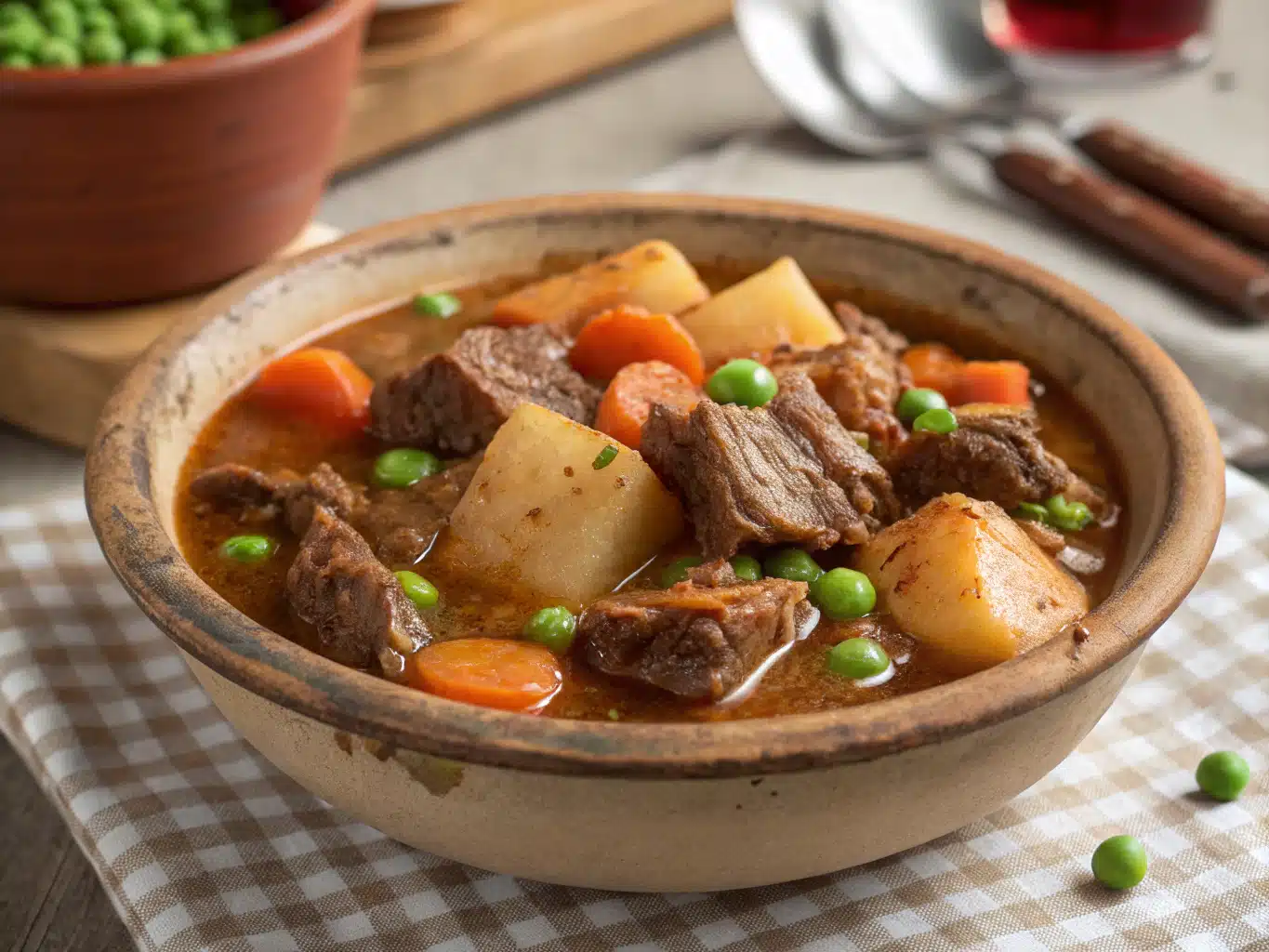
There’s something undeniably comforting about a pot of hearty beef stew bubbling away on the stove. This classic dish is more than just tender meat and savory broth—it’s a tradition, a memory, and a delicious way to gather people at the table. In this article, I’m sharing not just my favorite beef stew recipe, but the story behind it, helpful tips, and answers to the most commonly asked questions to ensure your stew is rich, flavorful, and soul-satisfying every time.
Let me walk you through exactly how I turn humble ingredients into a stew that has neighbors knocking on the door. We’ll cover my personal approach, the best ingredients, cooking times, pro instructions, and some creative twists you won’t see coming. Let’s dive in with a bowl and a story.
Beef Stew & My Southern Soul
Why This Dish Brings Me Back
Growing up in Georgia, Sundays meant big family dinners, and the star was often a steaming pot of beef stew simmering on Grandma’s stovetop. It wasn’t just about the stew—it was about the stories being stirred in along with the chunks of beef and root vegetables. Each bite was seasoned with laughter, comfort, and a bit of Southern magic.
When I moved to Austin and started adding my own signature touch—cooking with kimchi, harissa, or roasted squash—I realized how beef stew, like any good dish, is alive. It changes with time, place, and the hands that make it. Today, I pair my beef stew with everything from rice to garlic bread, depending on who’s coming over.
I make sure my beef stew is always bold, slightly smoky, and incredibly rich. My secret? It’s all about sealing flavor in layers, starting with a really good sear on the beef and ending with just the right amount of acid at the end to liven everything up.
What Makes This Beef Stew Stand Out
The beef stew you grew up with probably had carrots, potatoes, and maybe some onions. Mine has all that good stuff—and then some. I like adding earthiness with roasted parsnips and umami with tomato paste.
Unlike a lot of recipes, I don’t believe in dumping everything in a pot and walking away. While convenience is popular now—think TikTok-style dump stews—I’m old-school when it comes to getting the browning just right. Visual texture matters as much as taste. And guess what? Your stew will thank you.
Ingredients & Prep Tips for Unforgettable Beef Stew
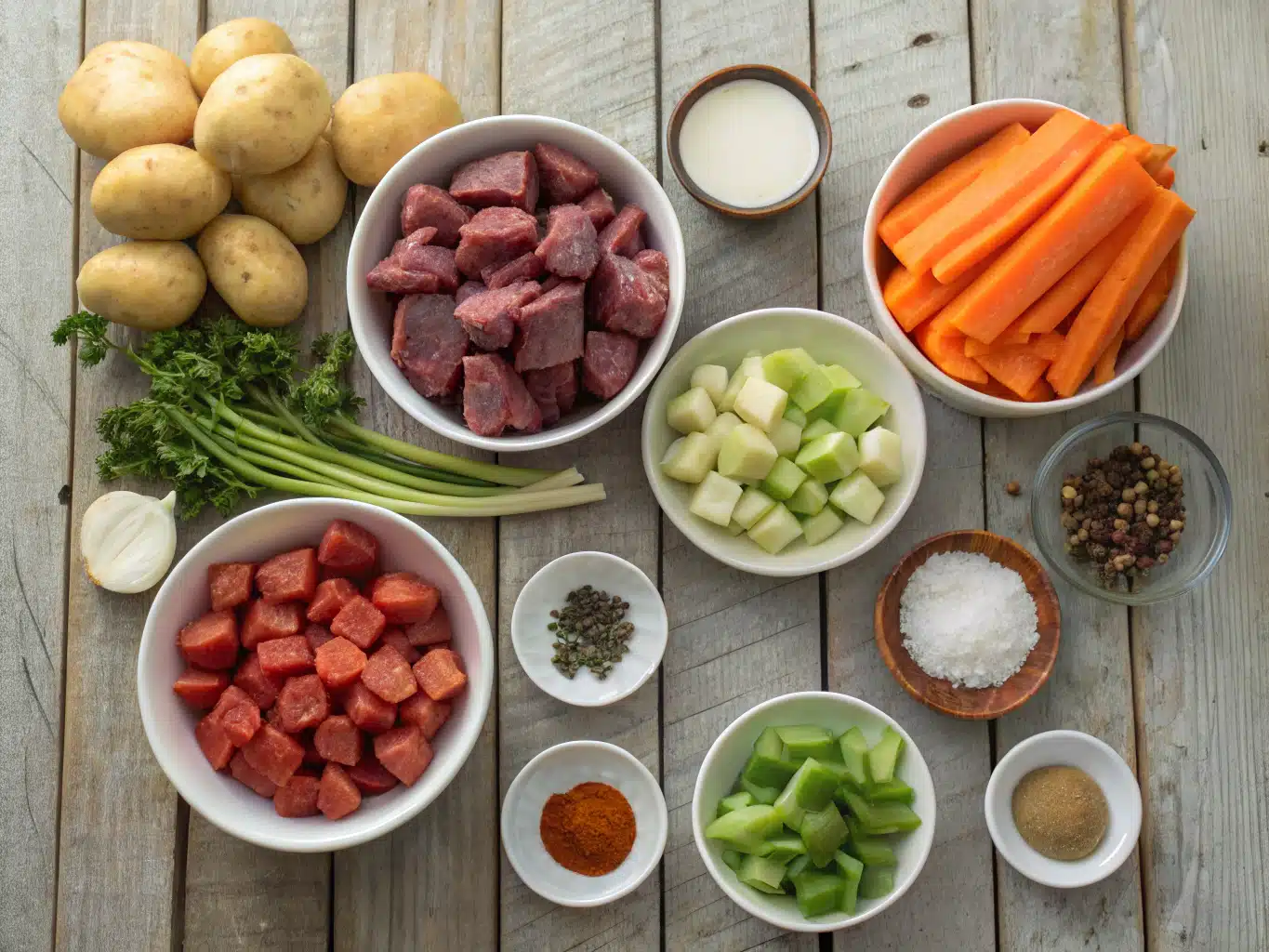
Ingredient List: Mix of Classic and Creative
Making the best beef stew starts with top-shelf ingredients. Here’s my essentials list, and where you can swap if needed:
| Ingredient | Details / Substitutions |
|---|---|
| Beef Chuck Roast | Marbled, cut into 1½” cubes. Can replace with boneless short ribs. |
| Carrots & Celery | Classic aromatics; dice small for even cooking. |
| Yukon Gold Potatoes | Hold shape better than russets. |
| Tomato Paste | Adds concentrated flavor and color. |
| Beef Broth | Use low sodium. A mix of homemade and boxed is fine. |
| Worcestershire & Balsamic | Balances savory and acidic tones. |
Want to stretch beyond the basics? Toss in roasted squash or even parmesan potatoes on the side for a seriously savory twist.
Timing Breakdown
You don’t need to block out your whole day, but give this stew the time it deserves. Here’s the breakdown:
- Prep time: 20–25 minutes (includes chopping, searing meat)
- Cook time: 75–90 minutes (simmering low and slow)
- Total time: About 2 hours (20% faster than some stovetop recipes)
For even more depth, you could refrigerate the stew overnight—flavors meld even more beautifully.
Instructions Step-by-Step
Step 1: Pat your beef dry. This matters. Then season with salt and pepper. Brown in batches in hot oil until crusty; don’t crowd the pan.
Step 2: In the same pot, sauté onion, carrot, and celery. Add tomato paste and garlic, stir until it darkens and smells nutty (about 3-4 minutes).
Step 3: Pour in apple vingear to deglaze the pot—scraping up browned bits adds unmatched flavor. Then stir in beef broth and a splash of Worcestershire.
Step 4: Return meat to pot, add potatoes, then simmer covered 75–90 minutes. After testing tenderness, uncover for last 10 min to thicken slightly.
Step 5: Taste, adjust seasoning with salt, pepper, and a tiny splash of balsamic vinegar for brightness.
Serve with creamy mash or crusty garlic potatoes to soak up every drop.
Techniques & Twists for the Best Beef Stew
Secret Methods for Maximum Flavor
The real magic of beef stew is in the depth—layers that intensify with each step. The browning creates the Maillard reaction, but we boost it further by:
- Using tomato paste early—it caramelizes and sweetens.
- Adding a couple of dried mushrooms or anchovies if you’re feeling fancy. They disappear into the sauce but add HUGE umami.
Another tip: stew rests better than it cooks. Letting it sit for an hour (or overnight) gives the flavors time to trust one another, settle, and shine.
The experts agree. The National Institutes of Health backs the value of slow cooking meats to retain nutrients and enhance flavor without added fats.
Flavor Variations Worth Trying
Want to venture outside the classic route? I highly recommend:
- Smoky paprika or chipotle for heat
- Fresh rosemary and thyme sautéed in at the end
- A cube of dark chocolate or dollop of miso to deepen the broth
Sometimes, I go Mediterranean: swap potatoes for chickpeas and use harissa for heat. Or Asian: soy sauce, ginger, and bok choy. The point is—to personalize your stew. The base holds firm, but the layering? That’s where the fun starts.
Serving & Storage: Flavors That Mature Over Time
Best Ways to Serve Beef Stew
When it comes to plating, simple is best. Beef stew is all about that rich, glossy gravy bathing every bite. Serve it in warmed bowls with:
- Crusty sourdough or garlic bread
- Mashed root vegetables
- Creamy polenta or rice for a Southern-style twist
To elevate presentation, top it with chopped parsley, a drizzle of olive oil, or even a homemade brown gravy for added gloss.
Storing & Reheating with Success
Stew not only stores well; it improves overnight. Store in airtight containers:
- Refrigerator: up to 4 days
- Freezer: up to 3 months
Reheat gently on the stovetop. Add a splash of broth or water if it’s too thick. Avoid microwaving the whole thing at once—heating in portions ensures even texture.
Just don’t freeze anything with extra potatoes; they can get grainy. Instead, freeze the meaty base and prep fresh sides when you serve again.
FAQs: Beef Stew Basics Answered
What is the secret to a good beef stew?
Browning the meat properly and building flavor in stages. Time, patience, and a good acid-balance (like tomato or vinegar) at the end work wonders.
What ingredients do you need for a beef stew?
You’ll need beef chuck, carrots, onions, potatoes, tomato paste, broth, and seasonings.
What are the best ingredients for a stew?
Tough, well-marbled cuts like chuck roast, aromatics (onion, celery), root vegetables like parsnips, and a flavorful liquid base—broth + tomato.
What not to put in beef stew?
Skip quick-cooking veggies like zucchini that turn mushy. Also, avoid flour-thickening early on—it can burn. Wait to thicken, if needed, at the end.
Conclusion
A bowl of beef stew is a warm memory you can eat. Whether you stick with the classic or twist it your way, one thing’s for sure—it’s about honoring tradition while feeding your creativity. With the right cut of beef, solid technique, and a pinch of love, your stew will never be just another dinner—it’ll be a signature.
I hope this guide helps you bring soulful, savory satisfaction to your next beef stew night. Want to elevate even more dinners? Check out my guide on how to make gravy or try it alongside buttery parmesan potatoes for the ultimate pairing. Now, bring out your Dutch oven and let the aroma fill your home.