
Disclosure: This post may contain affiliate links. As an Amazon Associate, we earn from qualifying purchases—at no extra cost to you.
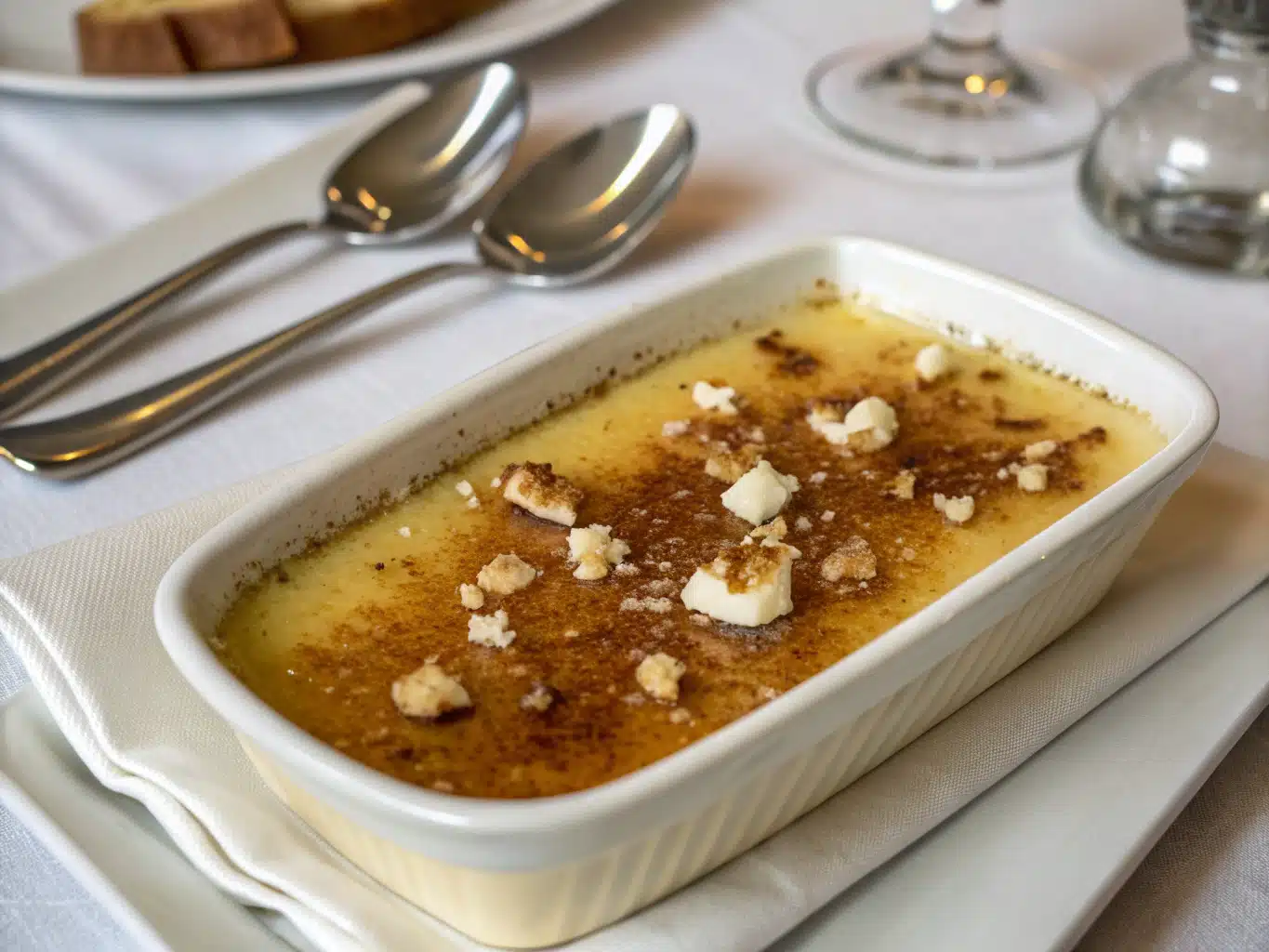
If there’s one ingredient that truly transforms a dish with just a little extra time and heat, it’s brown butter. The first time I stumbled upon brown butter was by accident. I was melting a stick for cornbread and stepped away for a bit too long. When I came back, the kitchen smelled like toasted hazelnuts caught in a warm breeze. Turns out, I’d unintentionally made brown butter—and my cornbread had never been tastier.
In this article, we’ll dive into what makes brown butter so irresistible, how you can make it perfectly every time, and how to use it in both sweet and savory dishes. Whether you’re jazzing up weekday cookies or finishing off roasted veggies, brown butter deserves a permanent spot in your flavor toolkit.
Let’s break down this golden treasure of the kitchen.
Why Brown Butter Deserves the Spotlight
What Gives Brown Butter Its Signature Nutty Flavor?
Brown butter, or beurre noisette as the French call it, is simply butter that’s been gently cooked until the milk solids toast. This toasting process is where the magic happens. As those proteins in the butter brown, they release deep, rich aromas—a comforting blend of nuttiness, caramel, and just a hint of toasted vanilla.
The transformation that occurs during browning is a result of the Maillard reaction, a bit of kitchen science that’s responsible for a lot of our favorite cooked flavors—from seared steak to roasted coffee. The result? Regular butter’s more intense, more complex cousin.
That unmistakable aroma is what elevates a basic sugar cookie into something crave-worthy. For instance, these ginger cookies are emboldened with brown butter, giving every bite a ginger-spiced richness.
Brown Butter in My Southern Kitchen
Growing up in Georgia, Sunday dinners were sacred. We didn’t call it brown butter, but Grandma definitely let her butter get “real golden” before pouring it over grits or green beans. When I moved to New Orleans and began formal culinary training, I realized this “real golden butter” was a deeply rooted Southern twist on a classic French trick.
Nowadays, I incorporate brown butter in everything from brownie refrigerator cakes to sweet potatoes and even salad dressings. In fact, wowing your guests often comes down to finishing off a dish with a drizzle of this bronze elixir.
If a good chocolate chip cookie makes you smile, wait until your taste buds experience the depth of flavor in the best chocolate chip cookies, made with brown butter.
Making Brown Butter Like a Pro
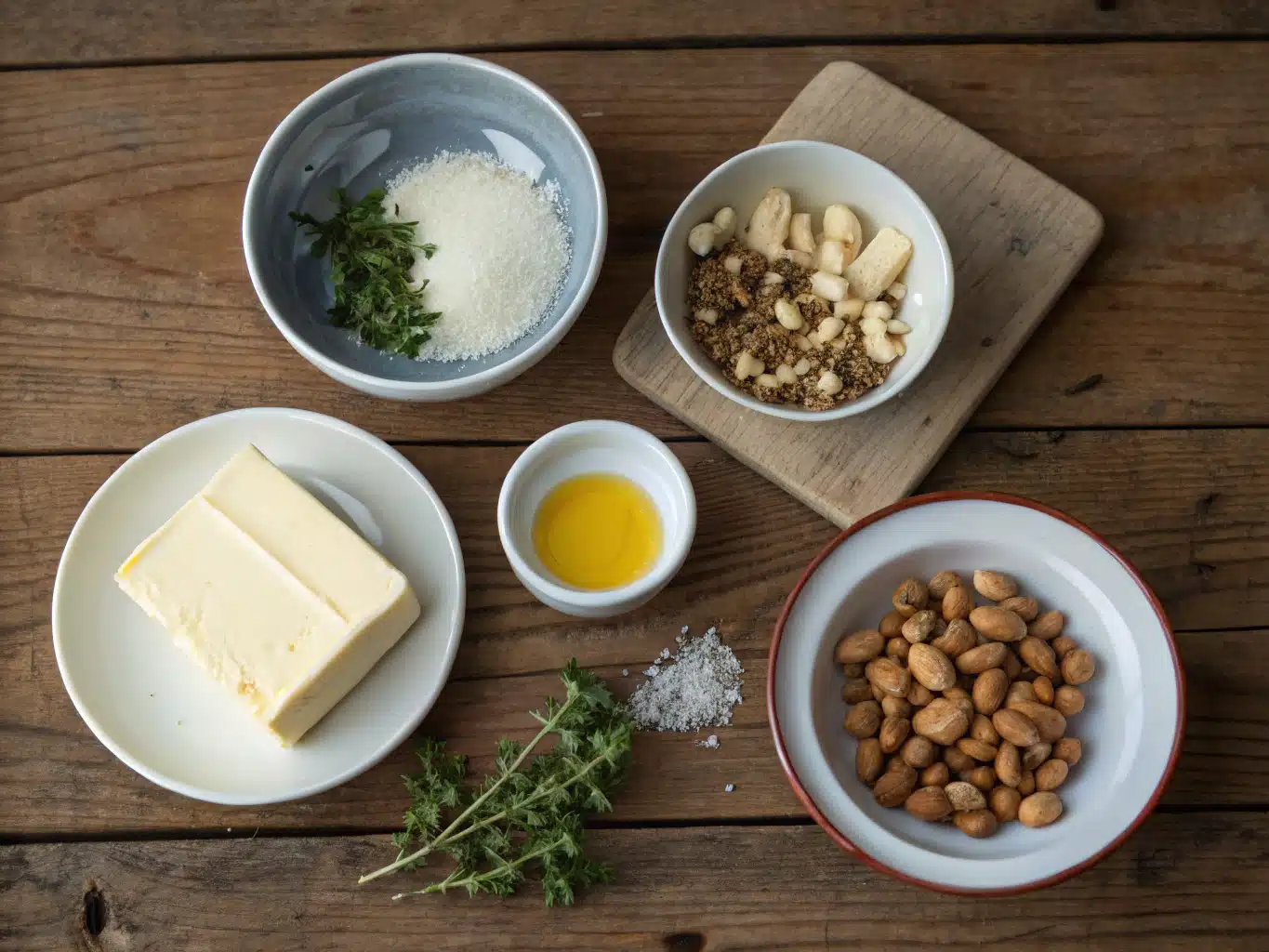
Ingredients List: What You’ll Need for Brown Butter
Surprisingly, making brown butter takes just one ingredient:
- Unsalted Butter: Start with a high-quality unsalted stick (or several).
- Optional: A pinch of sea salt to enhance the final flavor.
If you’re dairy-sensitive, consider using plant-based butter alternatives. Many vegan butters still contain solids that brown nicely. For baking, especially in recipes like peanut butter brownies, brown butter can add a layer of complexity not usually found in vegan baked goods.
Want to spice things up? Some cooks finish their brown butter with aromatics like sage, garlic, or cinnamon sticks for added flair—especially when making comforting dishes in fall or winter.
| Ingredient | Purpose |
|---|---|
| Unsalted Butter | Main component for browning |
| Sea Salt (optional) | Enhances nutty flavor |
Timing: Quick but Precise
Brown butter doesn’t take long, but it demands your full attention.
- Prep Time: 2 minutes
- Cook Time: 5–8 minutes (depending on volume)
- Total Time: Under 10 minutes
While this might seem short, the temperature control is key. Just a few seconds can separate perfectly browned butter from a burnt mess. Pro tip: keep an eye on the color and smell—it transitions fast from golden to deep amber.
In culinary school, we learned to brown butter on medium-low for better control. That advice never failed me.
Step-by-Step Instructions for Browning Butter
- Cut unsalted butter into even chunks for quicker melting.
- Place in a light-colored saucepan (so you can see the color changes clearly).
- Heat over medium-low and allow it to melt evenly.
- Stir gently as the butter foams—don’t walk away!
- Monitor the color. In 4–7 minutes, the milk solids will brown, and it will smell nutty.
- Once golden brown with specks at the bottom, remove from heat and transfer to a heat-safe bowl to prevent burning.
Use immediately for sauces or baked goods or store in the fridge for up to a week. Adding your browned butter to homemade brownies takes their flavor up several notches—trust me on that one.
Creative Ways to Use Brown Butter Everyday
Brighten Up Sweets with Brown Butter
Brown butter isn’t just for the pros. It’s one of the easiest ways to impress guests (or just treat yourself). One of my readers told me she added a touch of it to maple syrup for pancakes, inspired by these maple cookies—genius and mouthwatering.
Use it to:
- Replace plain butter in cookies and cake batters.
- Drizzle across fruit crisps or banana bread.
- Whip into frosting for a nutty, rich twist.
Even cupcakes benefit—swap in browned butter in base recipes and see how people go back for seconds.
According to a study published on the National Center for Biotechnology Information, heat processing of butter enhances lipophilic antioxidant activity—meaning brown butter not only tastes better but may offer some better oxidation stability in recipes too.
Savory Dishes Get a Golden Upgrade
Savory recipes are where brown butter truly shines. Think roasted vegetables suddenly bursting with deeper flavor or pasta sauces that surprise you with their depth.
Here’s where I like to use it:
- Over sautéed Brussels sprouts or carrots
- Drizzled onto mashed sweet potatoes
- Finishing pan-seared fish or shrimp for restaurant-level results
Feeling bold? Use brown butter in a vinaigrette and toss with arugula or mix it into pumpkin puree for hearty recipes like pumpkin cookies that lean both sweet and savory.
The Science and Variety Behind Brown Butter
The Maillard Reaction and Texture Effects
What truly sets brown butter apart chemically from melted butter is the Maillard reaction. This browning process not only builds flavor but alters butter’s composition. The water content reduces, and the milk solids toast, meaning it behaves differently in recipes too.
Expect crisper cookie edges and a slightly chewy center when subbing brown butter in a dough. This is the magic behind brownie bites that leave folks wondering what secret ingredient you’re hiding.
Want proof? Try swapping your regular melted butter with brown butter in side-by-side tests and see how texture and flavor evolve.
Common Mistakes When Making Brown Butter
Mistake #1: Overheating the butter. If it’s smoking, it’s burning. Stick to medium-low.
Mistake #2: Not watching closely. The change from good to gone can happen fast.
Mistake #3: Leaving brown butter in the pan. Always transfer right away to stop the browning process.
Some home cooks get nervous seeing dark brown flecks. Those are the flavor bombs—don’t strain them out!
Brown butter is also known as “hazelnut butter” in some culinary circles, thanks to its signature aroma. In French, “beurre noisette” literally translates to hazelnut butter.
FAQs: Brown Butter Basics
What is brown butter?
Brown butter is regular butter that has been melted and cooked until the milk solids brown and release a nutty aroma. It’s used to add depth and complexity to both desserts and savory dishes.
What is the difference between melted butter and brown butter?
Melted butter is simply liquified; brown butter has been cooked further to caramelize its milk solids, enhancing flavor. The taste is richer, nuttier, and more intense.
Do I brown butter on high or low?
Always brown butter on medium-low heat for the best control. High heat can cause it to burn quickly.
What is brown butter also known as?
Brown butter is often called beurre noisette in French, which means hazelnut butter due to its aroma and color.
Conclusion: Give Your Dishes the Brown Butter Boost
Brown butter isn’t some hidden chef’s trick—it’s one of the most accessible, flavorful upgrades you can make in your cooking. From cookies that whisper caramel with every bite to roasted veggies that stun with flavor, brown butter bridges nostalgia with gourmet flair.
Next time you reach for a stick, take an extra minute to brown it. Whether you’re baking up maple cookies or layering richness into brownie bites, that golden transformation could be the flavor twist you didn’t know your kitchen needed.
So go ahead—give a little extra time and heat, and let brown butter work its golden magic.
Print
Brown Butter Magic: A Southern Chef’s Guide to Golden, Nutty Goodness
- Total Time: 10 minutes
- Yield: About 1/2 cup 1x
- Diet: Vegetarian
Description
A nutty, golden upgrade to butter that adds complex flavor to both sweet and savory dishes—perfect for cookies, roasted veggies, and more.
Ingredients
1 stick unsalted butter
Pinch of sea salt (optional)
Instructions
1. Cut butter into chunks.
2. Place in a light-colored saucepan over medium-low heat.
3. Allow to melt, stirring gently.
4. Watch for foam and a nutty aroma.
5. In 4–7 minutes, butter should turn golden with brown specks.
6. Remove from heat immediately.
7. Transfer to a heat-safe bowl to stop cooking.
8. Use immediately or store in fridge for up to 1 week.
Notes
Use in cookies, cakes, roasted veggies, or drizzle over fish.
Optional flavor enhancers: sage, garlic, or cinnamon.
Dark brown flecks are flavorful—don’t remove them!
- Prep Time: 2 minutes
- Cook Time: 5–8 minutes
- Category: Basics
- Method: Stovetop
- Cuisine: French, Southern
Nutrition
- Serving Size: 1 tbsp
- Calories: 100
- Sugar: 0g
- Sodium: <1mg
- Fat: 11g
- Saturated Fat: 7g
- Unsaturated Fat: 4g
- Trans Fat: 0g
- Carbohydrates: 0g
- Fiber: 0g
- Protein: 0g
- Cholesterol: 30mg
Keywords: brown butter, beurre noisette, golden butter, cooking basics, flavor boost