Disclosure: This post may contain affiliate links. As an Amazon Associate, we earn from qualifying purchases—at no extra cost to you.
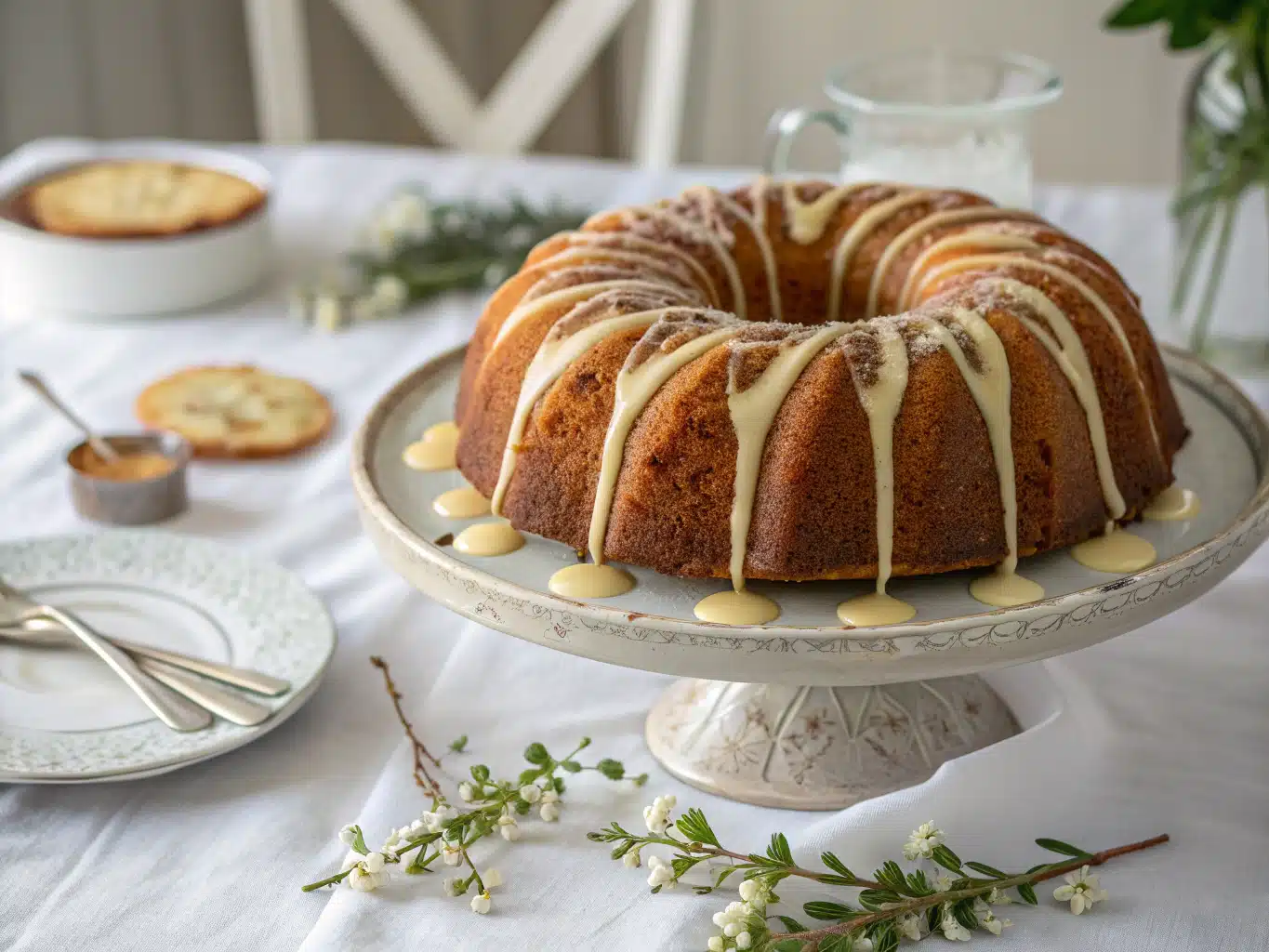
There’s something nostalgic about a Bundt cake. Maybe it’s the way the swirled edges catch the glaze just right or how cutting into it reveals a soft, tender crumb that’s begging to be devoured. Growing up in Georgia, Sundays were all about community and comfort, and a Bundt cake almost always made an appearance on the table. My Aunt Mavis had a recipe with sour cream and lemon zest that smelled like summer mornings even in the dead of winter. And now, years later in my Austin kitchen, I find myself using that same Bundt pan—with its charming fluted curves—to create new memories. This article unwraps the history, baking process, variations, and fun behind the iconic Bundt cake, built for both tradition and creativity.
Whether you want to impress guests with a showstopper dessert or reinvent an old favorite with a twist like pistachio pudding or maple glaze, the Bundt cake delivers on all fronts. Let’s dive into where it all began, what makes it different, and, of course, how to make one that will have your guests asking for seconds.
The Charm of the Classic Bundt
What Makes Bundt Cake So Special?
Bundt cake isn’t just cake—it’s architecture in dessert form. The name “Bundt” actually refers to the pan, not the recipe. Shaped like a donut with intricate fluting around the edges, this pan enhances both the aesthetics and structural integrity of the cake. Because of its shape, heat distributes evenly, baking the cake more consistently than a traditional round or square pan. That magical texture—moist inside, slightly crisp on the outside—is what keeps folks coming back for another slice.
Unlike layer cakes that often rely on frosting for flair, a Bundt demands less fluff and more flavor. You often won’t see much frosting here—just a delicate powdered sugar dusting or a luxurious drizzle of homemade maple glaze that clings to every groove.
A Pan with a Past
The Bundt pan owes its popularity to Nordic Ware, who patented the aluminum version in the 1950s. Inspired by a German dessert called Gugelhupf, this updated pan design helped make Bundt cakes easier to work with while serving up Old World charm. The design was an instant hit, but the real boom came in 1966 when a Bundt cake won second place at the Pillsbury Bake-Off.
That win didn’t just sell pans—it sold the idea that any home baker could create something bakery-worthy. In fact, modern Bundt cakes have evolved to include every texture and taste imaginable—from citrus-forward Spanish orange cake to rich yellow chocolate velvet cakes with plenty of wow factor.
Ingredients, Bake Time, and How-To
What You’ll Need (Plus a Few Creative Substitutions)
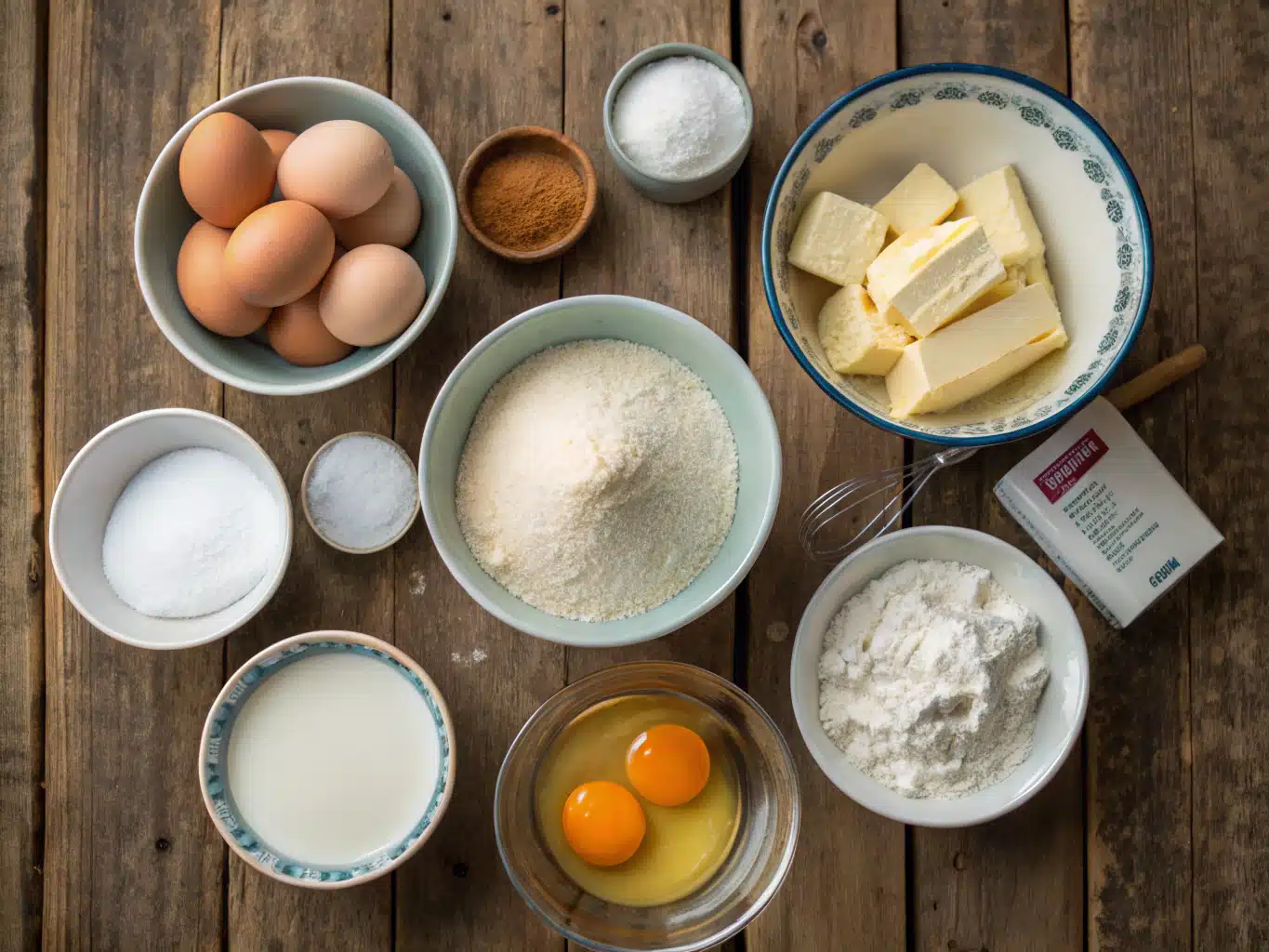
Here’s a classic vanilla Bundt cake base with some customizable options for personality-packed baking.
| Essential Ingredients | Substitutions |
|---|---|
| 3 cups all-purpose flour | Use gluten-free baking mix 1:1 |
| 2 cups granulated sugar | Try coconut sugar for a deeper flavor |
| 1 cup unsalted butter, softened | Swap with vegan butter or ghee |
| 5 large eggs | Use flax eggs or egg replacer mix |
| 1 cup sour cream | Greek yogurt or plant-based yogurt works |
| 2 tsp vanilla bean | Almond |
| 1/2 tsp baking soda and 1 tsp baking powder | No substitute recommended |
| 1/2 tsp salt | Sea salt is a fine substitute |
Timing That Works for Real Life
Bundt cakes might take their time, but they’re worth every minute. Here’s a standard breakdown:
- Prep time: 20 minutes
- Bake time: 55–65 minutes
- Cool time: 15 minutes
- Total time: Approx. 90 minutes
That’s about 20% faster than many layer cakes, and there’s less clean-up than recipes requiring multiple pans and fillings.
Step-by-Step Instructions for Bundt Perfection
- Preheat oven to 325°F. Generously grease your Bundt pan with butter or baking spray.
- In a large bowl, cream butter and sugar until fluffy. This should take about three minutes.
- Add eggs one at a time, mixing well after each. Stir in vanilla extract bean.
- In a separate bowl, whisk dry ingredients: flour, salt, baking powder, and baking soda.
- Add dry mix to the butter mixture in thirds, alternating with sour cream.
- Pour batter into greased pan and smooth the top with a spatula.
- Bake for 55–65 minutes or until a toothpick comes out clean.
- Let cake cool in pan for 10–15 minutes before inverting onto a wire rack.
- Drizzle with orange cream glaze or finish with a simple dusting of powdered sugar.
For extra flair, fold in poppy seeds, chopped nuts, or dried cranberries before baking. I once even crumbled bits of cinnamon apple bread into my batter—it was unbelievable.
Variations, Toppings, and Viral Twists
Go Beyond Basic with Trending Flavors
If TikTok has taught us anything, it’s that creativity rules the kitchen. There’s no law saying you can’t turn that classic vanilla Bundt into something bolder. Lately, I’ve seen trends like Matcha Bundt cakes, strawberry crunch versions, and even ones inspired by horchata.
Want something fun and green? Try this pistachio pudding cake. The pudding mix not only locks in moisture but creates a delightful pastel hue that shines in the pan’s crevices.
Another winner in my book is the cinnamon roll casserole Bundt—just pour cinnamon swirl filling over a base batter mid-bake for layers of gooey goodness.
Elegant Toppings & Glazes
Toppings transform a Bundt cake from everyday to extraordinary. Don’t just settle for icing; get inventive.
- Cream cheese glaze with citrus zest
- Chocolate ganache drizzle with sea salt sprinkling
- Caramel glaze with toasted pecans
- Fruit reductions, especially blueberry or raspberry, lightly spooned over warm cake
Nutritionally speaking, Bundt cakes aren’t always light—but they can be made more wholesome. Consider swapping white flour for whole wheat or reducing sugar with natural alternatives. The USDA’s Dietary Recommendations provide great guidance on limiting added sugars and saturated fats.
Kitchen Keepsakes & Community Baking
The Gift of Gugelhopf Pan Roots
It’s fascinating that “Bundt” comes from the German word “bund,” meaning “group” or “gathering.” That perfectly sums up the recipe’s spirit. Wherever there’s a Bundt cake, there’s probably laughter, storytelling, and folks lingering longer over coffee.
Historically, Gugelhupf was saved for special occasions—weddings, baptisms, and holidays. Today, we rediscover that tradition in every Bundt we bake and share.
Plus, many bakeries now offer promotions for birthdays. Want to know how to get free Bundt cake for birthday? Some franchises provide loyalty programs letting you enjoy a free dessert on your special day.
Bake It Forward
People don’t always want extravagant cakes layered with fondant. They crave something comforting yet beautiful—and Bundt cakes fit the bill. I like gifting my signature tres leches Bundt (based on this quick tres leches recipe) to neighbors during the holidays.
It’s a gesture that says “you matter,” just like the cakes I grew up eating with my family. If you’ve got a Bundt pan and a little time, you’ve got the means to bake someone’s day better.
FAQs About Bundt Cakes
How is Bundt cake different from regular cake?
Bundt cake isn’t defined by ingredients but by the shape it’s baked in. Regular cakes use basic pans, but Bundt cakes are made in fluted round pans with a center tube. This shape allows even cooking and a crisp edge that traps any glaze beautifully.
Why is it called a Bundt cake?
Bundt comes from the German word “bund,” meaning a gathering. Nordic Ware coined the term in the 1950s after shaping their cake pan based on Eastern European Gugelhupf molds. Over time, Bundt became synonymous with the pan itself.
How to get free Bundt cake for birthday?
Certain bakery chains, like “Nothing Bundt Cakes,” offer birthday clubs. Sign up online and receive a coupon for a free Bundtlet, a mini version of their popular dessert, during your birthday month.
What does the German word “bundt” mean?
The word “bundt” draws from “bund,” meaning a community or group. It reflects how these cakes were designed for celebrations—meant to be shared around a communal table.
Conclusion
Bundt cakes remind us that dessert doesn’t always need layers or extravagant decoration to be deeply satisfying. Built from a heritage of gathering and creativity, this simple cake with a beautifully sculpted shape continues to evolve—from vintage recipes to trend-worthy hybrids. Whether you’re channeling my Georgia roots or carving your own baking path, the Bundt pan is your canvas. Don’t just bake—create a memory, a conversation piece, a gift. Grab your favorite flavor, preheat that oven, and tell your own Bundt cake story.