Disclosure: This post may contain affiliate links. As an Amazon Associate, we earn from qualifying purchases—at no extra cost to you.
There’s something nostalgic, almost sacred, about slicing into a decadent coconut cake. This dessert takes me way back to childhood Sundays in Georgia, where coconut cake was more than just a treat—it was a guest of honor at every table come springtime. My Aunt Letty made a cake so packed with coconut and southern flair, folks would hide the last slice under foil just to keep it for themselves. And now, here in my Austin kitchen, I’ve reimagined that cherished recipe with a modern spin—keeping every bit of that old-school flavor, but making it simple enough for anyone to successfully bake right at home.
Throughout this guide, you’ll learn how to create the best homemade coconut cake, packed with flavor, light in texture, and topped with dreamy coconut frosting. We’ll walk through ingredients, techniques, tweaks for gluten-free baking, and even answer your most common questions like “What frosting goes with coconut cake?” and “Can coconut cake be frozen?”
Let’s make sure your coconut cake is more than just dessert—it’s a memory you’ll taste with every bite.
Southern Tradition Meets Modern Twists
Why Coconut Cake Is Loved Across Generations
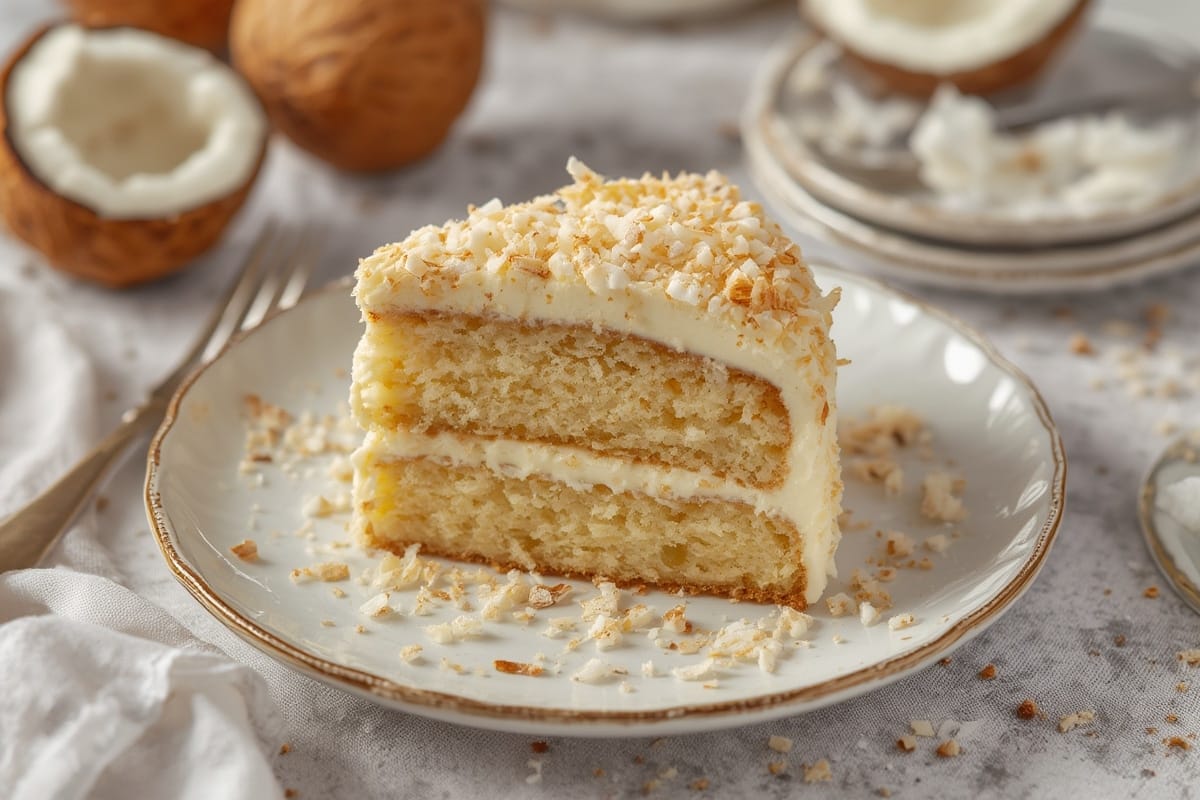
Coconut cake has long been a staple in southern celebrations, from Easter brunches to grandma’s birthday. There’s something about that snowy white frosting and cloud-like crumb that brings comfort and joy to the table. One thing that sets a memorable coconut cake apart is the balance—moist layers infused with coconut milk or cream, paired with light and airy frosting loaded with shredded coconut. The flavor is tropical, the texture tender, and the overall experience irresistible.
Back then, we didn’t have fancy mixers or plant-based milks. Now? We’ve got options. Whether it’s swapping cane sugar for organic alternatives or using unsweetened coconut milk instead of full cream, today’s coconut cakes cater to dietary needs while maintaining that delicious southern charm.
Tips for Bringing Flavor and Moisture to Your Coconut Cake
The secret to the best coconut cake lies in layering flavor. It’s not just about mixing coconut flakes into batter—it’s about infusing coconut every step of the way. Start by replacing dairy milk with full-fat unsweetened coconut milk for an authentic flavor foundation. Adding a touch of coconut extract ramps that essence up further. Freshly shredded coconut adds remarkable texture, and brushing layers with coconut syrup seals in moistness like nothing else.
To boost texture without drying out the cake, I prefer using cake flour instead of all-purpose. It makes your layers fluffy, helping them soak up that coconut syrup without falling apart. Pro tip? Once the cake has cooled, wrap each layer tight with plastic wrap and let it sit overnight. This resting period allows that coconut essence to fully soak in—so your cake transforms from good… to unforgettable.
Speaking of sweet treats, if you’re looking to pair your coconut cake with something chocolatey, don’t miss these soft-centered chocolate crinkle cookies or any of these festive Christmas cookie recipes for your next dessert spread.
What You Need to Bake the Perfect Coconut Cake
Ingredient List for Dreamy Coconut Cake
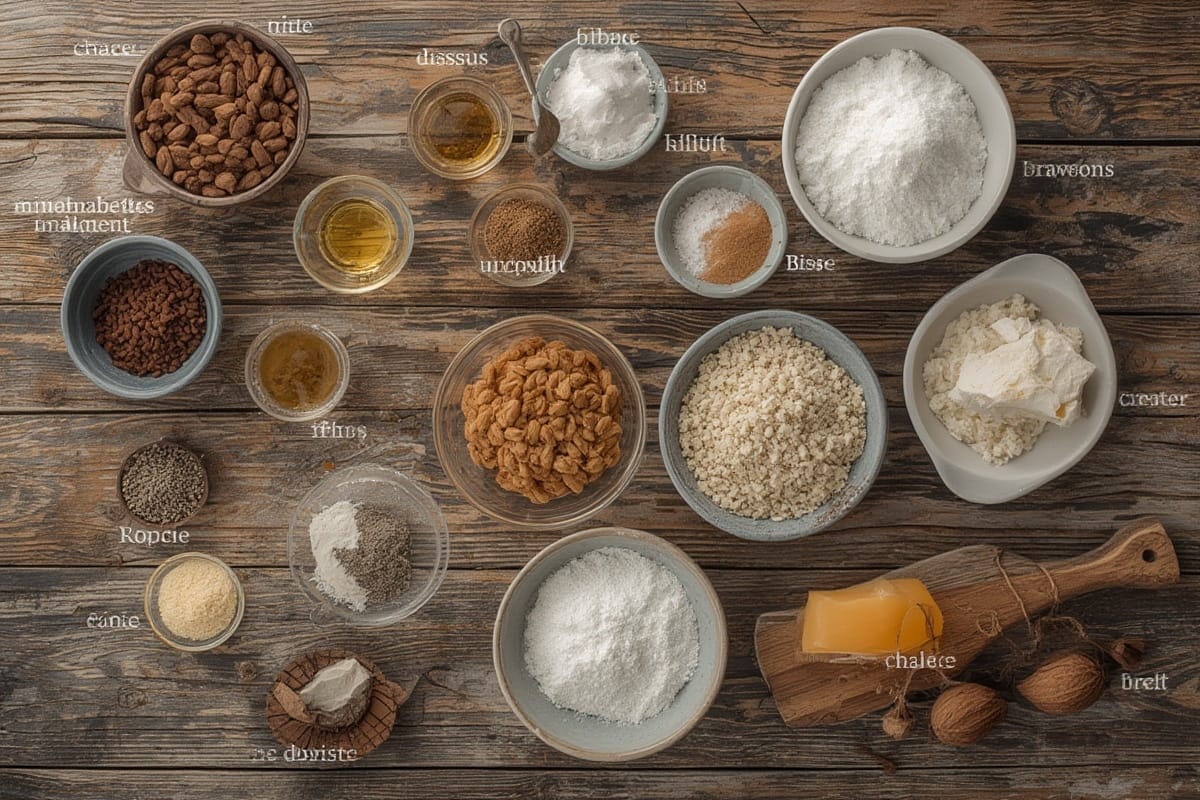
A standout coconut cake begins with standout ingredients. This list blends tradition and modern convenience:
2 ¾ cups cake flour (all-purpose can work in a pinch)
1 tbsp baking powder
1 tsp baking soda
½ tsp sea salt
¾ cup unsweetened canned coconut milk (not the boxed kind)
½ cup coconut cream
1 tsp pure vanilla bean
1 tsp coconut extract (optional but ideal)
1 cup granulated sugar
1 cup organic cane sugar (can swap with coconut sugar)
Making this coconut cake takes roughly 90 minutes from start to serve, which is about 20% faster than most traditional recipes thanks to simplified steps and fewer pans.
Step
Time
Preparation
20 mins
Baking
30-35 mins
Frosting & Cooling
30 mins
Step-by-Step Instructions for Success
Preheat your oven to 350°F (175°C). Grease and lightly flour two 9-inch round cake pans or use a reliable non-stick bake set.
In a bowl, whisk together cake flour, baking powder, baking soda, and salt.
In another bowl, cream butter, granulated sugar, and cane sugar until fluffy (3-4 mins). Add eggs one at a time.
Mix in vanilla and coconut extracts. Then, add coconut milk and cream slowly.
Gradually combine dry ingredients with wet, beating until just blended.
Fold in shredded coconut gently using a silicone mixing spatula.
Pour batter into prepared pans and bake 30–35 minutes. Let cool completely.
While cooling, blend cream cheese and butter. Gradually add powdered sugar, then extracts. Spread evenly across cooled layers.
Press shredded coconut onto the sides using a rotating cake stand for an even finish.
The Secrets to Making Your Coconut Cake Moist and Flavorful
Layering in Moisture Without the Mess
Moisture is the heart of a great coconut cake. Once the cakes cool, brushing them with a homemade coconut simple syrup (1:1 coconut milk and sugar, simmered) ensures they don’t dry out. Another winning move? Let them rest overnight, wrapped tightly, before frosting. This gives all the flavors time to settle and bloom.
Butter brings moisture, but using slightly less and trading a third of it with avocado oil or neutral halal vegetable oil gives your cakes a lighter lift without sacrificing taste.
To avoid toughness, don’t over-mix your batter. Stop when everything’s just combined.
Creative Variations That Keep Things Fun
Swap sweetened coconut flakes for unsweetened fine coconut if you want better bite and less sugar. Looking for an exotic twist? Add a pinch of cardamom or a swirl of mango puree between layers.
If you’re watching your gluten intake, try using gluten-free cake flour and coconut flour combo in a 1:1 ratio. Just increase your eggs slightly for stability.
Curious about nutritional insight? The USDA’s nutrition database lists coconut’s fiber and potassium content, making it a tropical fruit with benefits beyond taste.
Serving, Storage, and Creative Pairings
How to Store Coconut Cake Without Sacrificing Texture
Store leftover coconut cake in an airtight container in the fridge for up to 5 days. For maximum moisture, tuck wax paper around the sides before sealing. For longer storage, coconut cake freezes surprisingly well—wrap individual frosted slices in parchment and foil, then freeze up to 2 months. Defrost in the fridge overnight.
While classic cream cheese frosting always works, Swiss meringue or whipped coconut frosting enhances tropical flavor without overwhelming sweetness. Want dairy-free? Use a ready-made vegan butter blend with powdered sugar and coconut cream for a light, fluffy topping.
Serve with roasted pineapple slices or a chilled mango coulis for a professional touch. For drink pairings, smooth almond milk or masala chai works beautifully. These creative pairings elevate your presentation—and your dessert table.
Frequently Asked Questions
Can coconut cake be frozen? Absolutely. Wrap individual slices tightly in parchment, then in foil. Store flat inside a freezer bag for up to 2 months. Thaw overnight in the fridge for best results.
How do you keep coconut cake moist? Use coconut milk or syrup between layers, wrap each cooled cake layer tightly before frosting, and don’t overbake. Use cake flour and avoid over-mixing the batter.
What frosting goes with coconut cake? Cream cheese frosting, whipped coconut frosting, or Swiss meringue buttercream all pair beautifully with coconut cake.
Is coconut cake gluten-free? Traditional versions aren’t, but you can substitute gluten-free all-purpose flour or coconut flour with the right binder adjustments.
Conclusion
When it comes to baking, few desserts capture the heart like a moist, fluffy coconut cake. It’s nostalgic, joyful, and endlessly adaptable for any gathering or casual Sunday craving. Whether you stick to classic cream cheese frosting or try out creative versions, the magic’s in the moist crumb and tropical flavor that stains every bite with sweet memory.
Bake it, share it, and make sure to hide at least one slice for yourself. Trust me, it won’t last long.
A traditional yet modern take on coconut cake that’s moist, flavorful, and surprisingly simple to make. Perfect for celebrations or your next weekend bake.
Ingredients
Scale
2 ¾ cups cake flour
1 tbsp baking powder
1 tsp baking soda
½ tsp sea salt
¾ cup unsweetened canned coconut milk
½ cup coconut cream
1 tsp pure vanilla bean
1 tsp coconut extract
1 cup granulated sugar
1 cup organic cane sugar
4 large eggs
1 ⅓ cups unsalted butter
1 ½ cups sweetened shredded coconut
1 block (8 oz) cream cheese
½ cup unsalted butter
4 cups powdered sugar
1 tsp coconut extract
2 tsp vanilla bean
1 cup shredded coconut for topping
Instructions
Preheat oven to 350°F (175°C). Grease and flour two 9-inch cake pans.
Whisk flour, baking soda, baking powder, and salt in a mixing bowl.
In a separate bowl, cream butter and sugars until fluffy, then add eggs one at a time.
Mix in vanilla and coconut extract along with coconut milk and cream.
Gradually blend wet and dry mixes, then fold in shredded coconut.
Divide batter evenly into pans and bake for 30–35 minutes.
Cool completely before frosting with cream cheese and coconut buttercream.
Press extra coconut flakes along the frosted edges and top with more coconut if desired.
Notes
Brushing cooled layers with coconut simple syrup helps retain moisture.
For a less sweet version, substitute unsweetened coconut flakes.
Wrap layers and rest overnight for enhanced flavor.