
Disclosure: This post may contain affiliate links. As an Amazon Associate, we earn from qualifying purchases—at no extra cost to you.
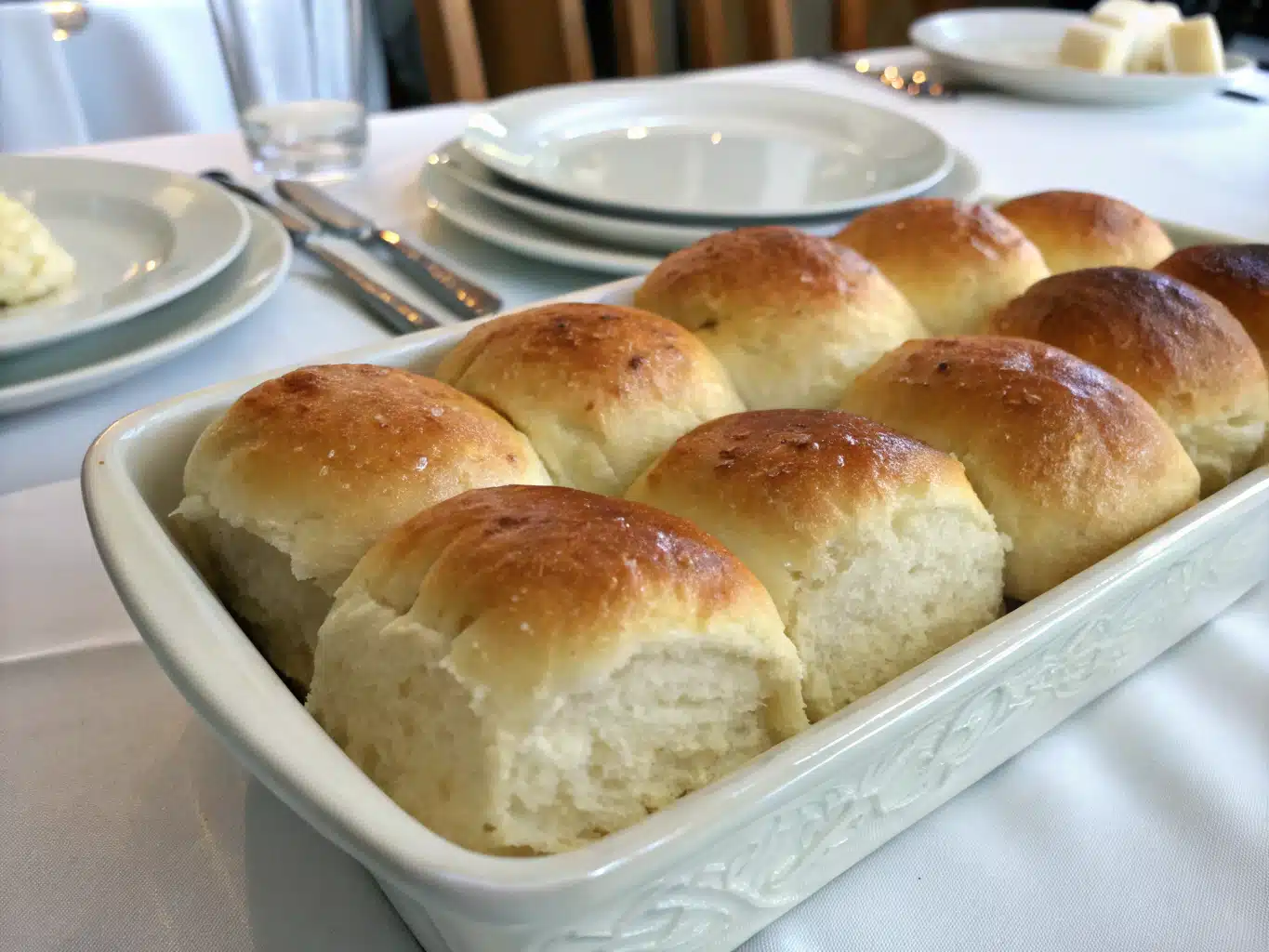
Few things warm the soul like a basket of freshly baked DINNER ROLLS. Golden on the outside, pillowy on the inside, and versatile enough to complement any meal—these humble rolls are far more than a holiday side. I still remember being ten years old in Georgia, peeking into my grandma’s oven as a tray of rising dinner rolls filled her kitchen with that unmistakable yeasty scent. Everyone helped in some small way, but when it came to shaping the rolls, that was my job—and I took it seriously. A well-formed dinner roll always disappeared first at the table. Today, after decades behind the stove and a fair bit of experimenting, I’ve found ways to make my dinner rolls tastier, fluffier, and quicker—without losing that old-school charm.
In this guide, I’ll walk you through why dinner rolls matter, how to make them unforgettable, and tips to make them even better with fun twists. We’ll cover ingredients, techniques, and of course, secrets to keeping every batch soft and satisfying. Let’s dive into this comforting carb-lovers dream.
Why Dinner Rolls Deserve a Spot at Every Table
What Makes Dinner Rolls So Special?
Dinner rolls land squarely in that sweet spot between bread and indulgence. Unlike rustic sourdough or crusty baguettes, dinner rolls are all about softness and warmth—comfort in handheld form. Their slightly sweet flavor and feather-light texture make them the ultimate sidekick whether you’re serving roasted vegetables, spicy stews, or classic Southern biscuits and gravy.
Soft DINNER ROLLS hold memories. They cradle melting butter, sop up gravies, and serve as the perfect vessel for leftover turkey sandwiches after big holidays. And let’s not forget their versatility. Dress them up with garlic butter, or go sweet with cinnamon sugar—the possibilities are endless.
Breaking the Bread Rules to Get It Right
As a chef who enjoys coloring outside the lines, I’ve learned that dinner roll perfection doesn’t require strict tradition but a good understanding of what works. You need a balance of rich dairy (think milk and butter), a decent rise, and attention to proofing. But here’s something I always tell young cooks—don’t be afraid to experiment.
Try using potato flakes for unmatched softness or tangzhong (a roux made with flour and water) to achieve that stretchy lift. Or do what I do on certain Sundays—stuff the rolls with roasted garlic or shredded cheese for a surprise burst of flavor. Just like garlic bread, DINNER ROLLS are a canvas; you’re the artist.
The Ultimate Recipe for Perfectly Fluffy Dinner Rolls
Ingredients List
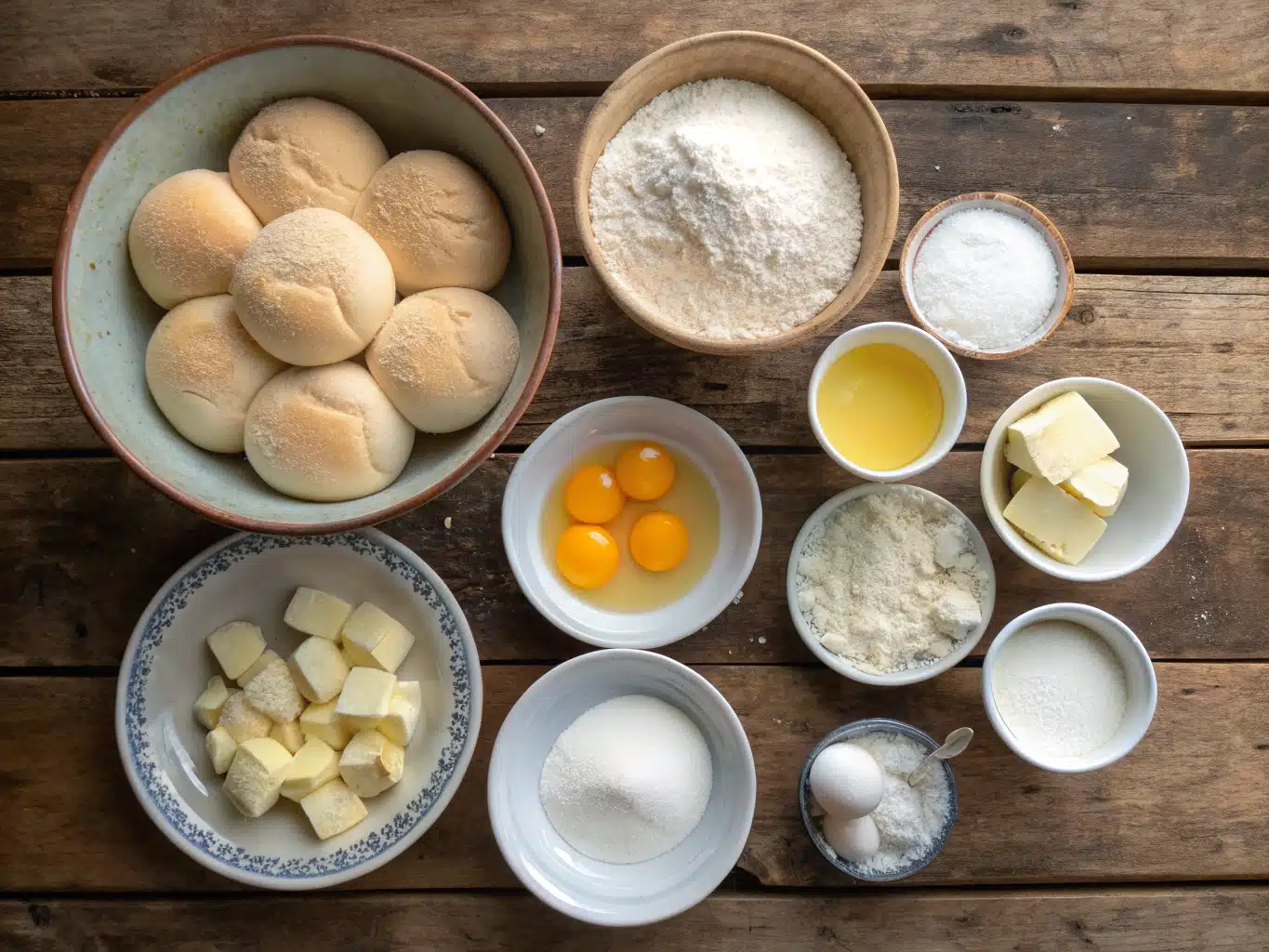
Let’s talk ingredients. This recipe brings together pantry basics and a few pro tips to create rolls that are soft, buttery, and flavorful from the first bite to the last crumb.
| Ingredient | Amount |
|---|---|
| All-purpose flour | 3 ½ cups |
| Whole milk (or buttermilk) | 1 cup, warm |
| Instant yeast | 2¼ tsp (1 packet) |
| Granulated sugar | 2 tbsp |
| Butter (softened) | 4 tbsp |
| Salt | 1 tsp |
| Egg (room temp) | 1 large |
Substitutions: Use oat milk and vegan butter to keep it dairy-free. You can also swap sugar with honey for a deeper sweetness, keeping in mind it adds a bit of moisture.
Timing: From Dough to Table in Under 90 Minutes
Most DINNER ROLL recipes take 2 hours or more, but this streamlined version takes around 85–90 minutes—ideal for weeknights or holidays pressed for time.
- Prep Time: 15 minutes
- First Rise: 30 minutes
- Shaping Time: 10 minutes
- Final Rise: 20 minutes
- Bake Time: 15–18 minutes
- Total Time: ~90 minutes
A 90-minute dinner roll is about 20% faster than many traditional recipes, making this a great alternative for last-minute gatherings.
Step-by-Step Instructions
- Warm your milk (to about 110ºF), stir in the sugar and yeast, and let it sit for 5–7 minutes until bubbly. That’s how you know yeast is alive and kicking.
- In a large mixing bowl, combine the flour, salt, and softened butter. Mix gently, then pour in the yeast mixture and beaten egg.
- Knead with love—by hand or using a stand mixer—for around 8 minutes until soft and elastic.
- Place dough in a greased bowl. Cover it and let it rise in a warm place for 30 minutes.
- Divide the dough into 12 equal pieces. Shape into round balls and place in a greased 9×13 pan.
- Cover again and let them rise another 20 minutes until puffy.
- Brush tops with melted butter. Bake at 375°F for 15–18 minutes until golden.
- Slather with more butter straight from the oven. Serve warm.
Want to take it further? Fold in chopped rosemary or top with flaky sea salt. For a sweet twist, sprinkle cinnamon sugar before baking—just like our cinnamon roll casserole.
Taking Classic Dinner Rolls Further with Unique Variations
Viral Twists on Everyday Rolls
In recent years, I’ve seen all kinds of viral bakes make their way into my inbox. But DINNER ROLLS have a special place, especially when adapted with creative flair. One of my favorites? Incorporating sour cream and herbs à la foccacia bread trends. Create indentations in the rolls after the second rise, then drizzle with olive oil and top with thyme before baking.
Another idea that stuns: stuffing rolls with caramelized onions or shredded brisket. Brush with BBQ glaze for a Texan twist—a dinner roll that’s practically a sandwich.
Next-Level Pairings for Every Occasion
Whether it’s Thanksgiving or your average Thursday night, DINNER ROLLS shine brightest when paired thoughtfully. Try them alongside cornbread stuffing during holiday dinners, or serve up a Southern-inspired bake with sausage gravy and let the rolls act like biscuits.
For lighter meals, consider buttered rolls with roasted veggie broth or herbed lentil soup. According to the USDA’s MyPlate resource, combining whole grains (like enriched flour) with protein-rich mains helps balance your meal for better nutrition.
Your Guide to Master-Level Roll Making
How to Proof Like a Pro
Let’s talk technique. Many shy away from homemade DINNER ROLLS thinking yeast is finicky. It’s really not. You just need warmth and patience. Proof dough in a slightly warm oven (turned off), or use your microwave by placing a cup of hot water beside the bowl—a homemade proofing chamber!
The trick during the second rise? Don’t overdo it. Once rolls look slightly swollen and wiggle when jostled, they’re ready. Over-proofing leads to collapse during baking, and no one wants a deflated dinner roll.
Storage, Reheating & Freezing Made Easy
Got leftovers? Lucky you! Store baked rolls in an airtight container for up to three days. Reheat in a 300°F oven covered with foil for 10 minutes. For longer keeping, freeze rolls individually, then reheat directly from frozen at 350°F for 15 minutes.
Want to prep ahead? Freeze dough balls after shaping for up to one month. Thaw overnight in the fridge, let rise for 20–30 minutes, then bake fresh.
Planning a brunch? Serve rolls topped with honey butter or alongside sausage pinwheels to complete a comforting Southern spread.
Frequently Asked Questions (FAQs)
What’s the difference between bread and dinner rolls?
Dinner rolls are a type of bread, but they’re typically softer, sweeter, and richer. They rely on enriched dough (with egg, butter, and milk), while standard loaves may use just flour, yeast, water, and salt.
What’s the secret to perfect dinner rolls?
Softness is key. Use warm (not hot) liquids, fresh yeast, and don’t skip the second proof. Brushing the tops with butter post-bake locks in moisture and adds flavor.
What do British people call dinner rolls?
In the UK, DINNER ROLLS may be called bread rolls, baps, cobs, or buns depending on the region. While the names vary, the love for carb-loaded deliciousness is universal.
What are dinner rolls?
They’re individual-sized soft yeast rolls, traditionally served with dinner. Ideal for sopping up sauces, holding sandwich fillings, or acting as a standalone snack with butter.
Conclusion
From sweet Georgia kitchens to bustling Austin potlucks, DINNER ROLLS have earned their reputation as comfort food royalty. Whether you’re a seasoned home cook or new to baking, this guide offers everything you need to make rolls that win applause every time. Bake them plain, twist them with spices, or pair them with recipes like biscuit casserole—just don’t forget to eat one hot from the oven with butter. That’s when the magic happens.