
Disclosure: This post may contain affiliate links. As an Amazon Associate, we earn from qualifying purchases—at no extra cost to you.
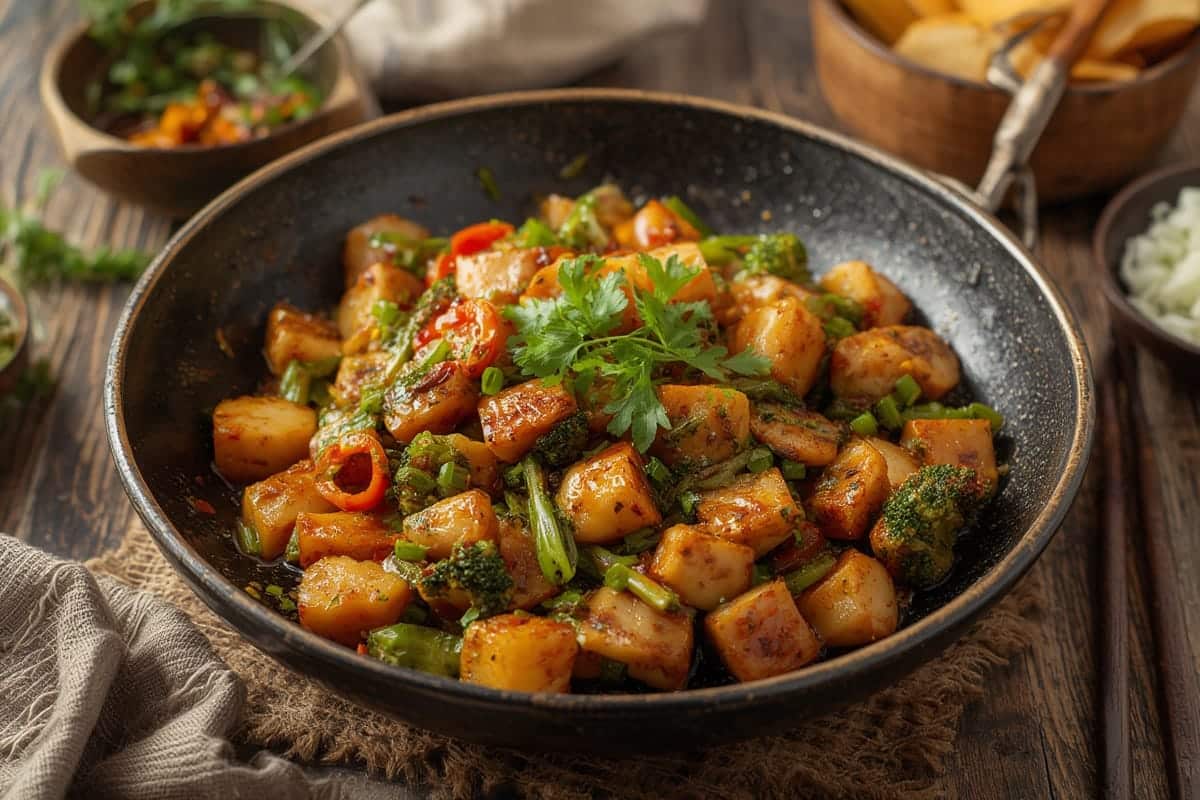
There’s something undeniably satisfying about tossing fresh ingredients into a sizzling hot skillet and watching vibrant veggies, tender proteins, and a tasty sauce come together in minutes. That’s the magic of a good healthy stir fry, and in my kitchen here in Austin, it’s a go-to meal that’s as flexible as it is flavorful.
I remember my first real love affair with stir fry—a New Orleans roommate threw together bok choy, garlic, and shrimp with some soy sauce and sesame oil. Nothing fancy. Yet it blew my socks off. That’s the thing about stir-fry: it doesn’t need bells and whistles, just fresh ingredients, a hot pan, and a little boldness. This article shares my take on how to create a healthy stir fry at home, including recipe ideas, the best oils, how to build low-sugar sauces, and the best vegetables to use. You’ll also find links to a few of my all-time favorites and tools I trust to get it done fast and delicious.
Easy & Flavorful Healthy Stir Fry Ideas
What Makes a Stir Fry “Healthy”?
When I say “healthy stir fry,” I’m not talking about bland veggies on brown rice. I’m talking balance—high-fiber vegetables, lean proteins, and sauce that brings the kick without drowning in sugar or sodium. A healthy stir fry should feel clean yet indulgent, so you don’t miss takeout one bit.
The secret? Keep your oil clean and measured, your protein lean (like chicken, shrimp, or tofu), and veggies bursting with color. Toss in aromatics like garlic or ginger, a modest dose of low-sodium tamari or coconut aminos, and something to tickle your tongue—like a hint of chili flakes or toasted sesame.
Inspiring Stir Fry Combos for Weeknight Wins
Nothing gets dinner done faster than a sizzling wok and a fridge full of leftovers. One of my personal go-to’s is a shrimp stir fry with snap peas and baby bell peppers—kind of a lighter take on this shrimp stir fry recipe that went big online. Tossing in a spoonful of kimchi adds an unexpected zing.
Another winner is beef and broccoli, reminding me of Sunday cookups in Georgia with my dad’s cast iron. For a modern reboot of that memory, try the broccoli beef stir fry—it’s hearty, balanced, and full of wholesome flavor.
Feeling adventurous? Try mixing in fajita-style veggies with garlic-ginger tofu for a Tex-Mex mashup. You can even take inspiration from this veggie-forward fajita-style stir fry and swap the spices for soy, ginger, and sesame.
Mixing things up keeps dinner exciting, and once you master the formula, you’ll never be short of ideas.
Your Essential Guide to Making a Healthy Stir Fry at Home
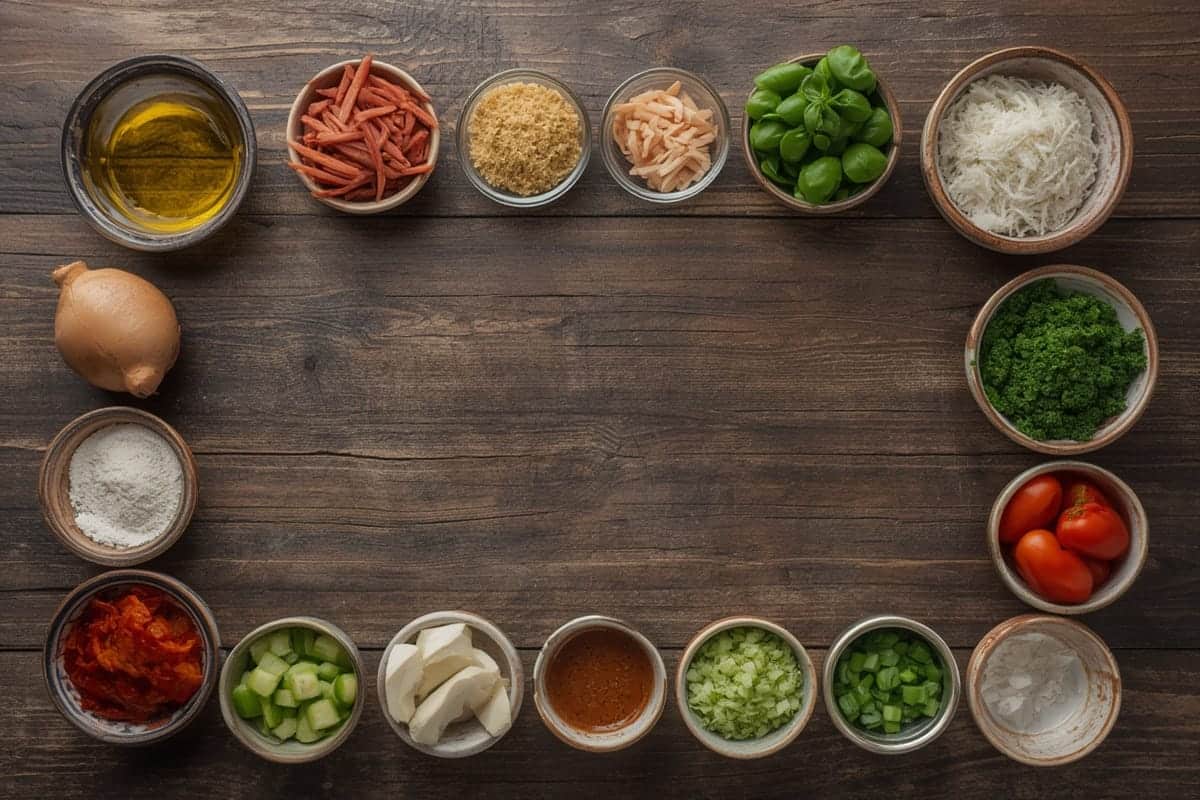
Ingredients List
Creating a healthy stir fry is all about using ingredients that nourish and satisfy. Here’s your base grocery list, plus a few tasty tweaks you can try.
- 1 tbsp avocado oil (or olive oil for mellow flavor) Buy Avocado Oil
- 1 lb boneless skinless chicken breast (or firm tofu)
- 1 cup snow peas
- 1 red bell pepper, sliced
- 1 cup broccoli florets
- 1 carrot, julienned
- 1 tbsp low-sodium soy sauce or tamari
- 1 tbsp rice vinegar
- 1 tsp sesame oil (for finishing)
- 2 tsp grated fresh ginger
- 2 cloves garlic, minced
- Optional: pinch red pepper flakes, sesame seeds
Substitutions? Swap chicken for shrimp, use zucchini instead of bell pepper, or add mushrooms for a meatier twist. You can also drizzle in coconut aminos if you’re avoiding soy altogether.
Timing and Prep
What I love about a healthy stir fry is that everything moves fast.
| Step | Time |
|---|---|
| Prep Ingredients | 12 minutes |
| Cook Stir Fry | 8 minutes |
| Total Time | 20 minutes |
That’s 20 minutes from chopping board to table—around 30% less time than your average baked dinner.
Step-by-Step Instructions
- Heat your wok or skillet over high heat. Add the avocado oil and swirl to coat.
- Toss in garlic and ginger. Sauté quickly, just until fragrant (about 30 seconds).
- Add the protein and cook until browned and almost done. Remove and set aside.
- Stir fry the vegetables, starting with broccoli and carrots, then snow peas and bell pepper.
- Return protein to the pan, pour in soy sauce and vinegar, tossing everything to coat.
- Drizzle with sesame oil to finish, and serve hot over quinoa, jasmine rice, or cauliflower rice.
Bonus tip: Using a quality wok like this carbon steel wok ensures even, high heat for that perfect sizzling sear.
Build a Better Stir Fry: Key Ingredients & Tools
The Healthiest Oils for High-Heat Cooking
When it comes to oils, high smoke point is essential for stir-frying. Avocado oil leads the pack, followed by grapeseed and refined peanut oil. These oils reduce the risk of breaking down into unhealthy compounds at high temps.
Rather than butter, skip straight to oils made for high-heat cooking to protect both flavor and nutrition. You’ll find more evidence from Harvard’s School of Public Health backing this advice.
Must-Have Tools for Stir Fry Success
Using the right tools equals better texture. I recommend a flat-bottom wok for even distribution of heat. You can snag a durable one like this nonstick carbon steel model with confidence.
Other game-changers are:
- A good silicone spatula like this flexible one.
- A set of nesting glass prep bowls like these BPA-free favorites.
- For streamlined sauces, a mini whisk is your best friend. Try the OXO mini whisk.
Once your groove is down, you’ll stir fry like a pro with practically no cleanup.
Sauces, Veggies & Flavor Boosters
Sauce Secrets Without the Guilt
Store-bought stir-fry sauces might be loaded with sugar and sodium. But making your own is five-minute easy.
Basic Stir-Fry Sauce Formula:
- 2 tbsp low-sodium soy sauce or coconut aminos
- 1 tbsp rice vinegar
- 1 tsp arrowroot powder or cornstarch (thickener)
- 1/2 tsp sesame oil
- Optional: 1/2 tsp honey or maple syrup (keep it minimal)
Or mimic your favorite takeout flavors with better-for-you versions like this homemade teriyaki chicken stir fry or spicy kung pao stir fry. You get all the flavor, none of the crash.
Top Veggie Choices for Healthy Stir Fry Recipes
Choosing the right veg keeps your dish colorful, textural, and diverse in nutrients.
Top Picks:
- Broccoli: High in fiber and vitamin C
- Snow peas: Crisp and with mild sweetness
- Bell peppers: Rich in antioxidants
- Mushrooms: Umami depth
- Carrots: Sweet crunch and beta carotene
- Zucchini: Flexible, mild flavor sponge
Mix and match to your preference. Or experiment with styles like this garlic noodle stir fry with scallions and bok choy.
FAQ
What are some healthy stir-fry recipes for dinner?
Try protein-packed plates like shrimp stir fry, tofu with broccoli, or chicken and bell peppers. Lighter takes on classic Asian dishes, like teriyaki or kung pao, can be made at home with less sugar and sodium.
What is the healthiest oil to use for stir-frying?
Avocado oil and grapeseed oil are excellent. They can handle high heat without oxidizing, which makes them ideal for healthy stir fry cooking.
How do you make stir-fry sauce without too much sugar or sodium?
Stick to coconut aminos or low-sodium soy sauce as a base, and add flavor with rice vinegar, sesame oil, garlic, or ginger. Keep sweeteners minimal and opt for natural ones like honey or date syrup.
What vegetables are best for healthy stir-fry recipes?
Broccoli, carrots, snow peas, mushrooms, and bell peppers are staples. They hold their shape and offer a range of textures, colors, and nutrients.
Conclusion
Healthy stir fry isn’t just a dinner—it’s an open canvas for flavor, nutrition, and kitchen creativity. Whether you’re tossing together leftovers or putting a wholesome spin on your favorite takeout classic, it’s a meal worth mastering. With fresh veggies, the right high-heat oil, and a foolproof sauce, you’ve got everything you need to serve a weeknight winner.
Want more inspiring spins on popular stir fry flavors? Don’t miss this zesty teriyaki beef stir fry that packs protein with bold flavor.
PrintHealthy Chicken and Vegetable Stir Fry
- Total Time: 20 minutes
- Yield: 4 servings 1x
Description
This healthy stir fry features chicken breast and a rainbow of vegetables tossed in a low-sodium, sugar-light sauce for a quick and flavorful weeknight meal.
Ingredients
1 tbsp avocado oil
1 lb boneless skinless chicken breast, thinly sliced
1 cup snow peas
1 red bell pepper, sliced
1 cup broccoli florets
1 carrot, julienned
1 tbsp low-sodium soy sauce
1 tbsp rice vinegar
1 tsp sesame oil
2 tsp grated fresh ginger
2 cloves garlic, minced
Optional: red pepper flakes, sesame seeds
Instructions
Heat a wok or skillet over high heat. Add the avocado oil and swirl to coat.
Sauté garlic and ginger for 30 seconds until fragrant.
Add chicken and cook until browned and cooked through. Remove and set aside.
Stir fry vegetables for 4–5 minutes.
Return chicken to pan, add soy sauce and vinegar, toss well.
Drizzle with sesame oil and serve hot.
Notes
Swap chicken for tofu or shrimp for dietary preferences.
Serve with brown rice, quinoa, or cauliflower rice.
- Prep Time: 12 minutes
- Cook Time: 8 minutes
- Category: Dinner
- Method: Stir Fry
- Cuisine: Asian-Inspired
Nutrition
- Calories: 320
- Fat: 12g
- Carbohydrates: 15g
- Fiber: 4g
- Protein: 35g
- Cholesterol: 75mg
Keywords: healthy stir fry, low sodium stir-fry chicken, veggie stir fry recipe