Disclosure: This post may contain affiliate links. As an Amazon Associate, we earn from qualifying purchases—at no extra cost to you.
When I think about desserts that feel like sunshine on a plate, a classic lemon tart always comes to mind. Growing up in Georgia, citrus desserts were our way of clinging to warmer days, especially when a cold snap hit early in fall. One vivid memory I have is of my Aunt Cora, who lived down the road and made lemon tart from scratch every holiday. She believed zesty food revived the spirit—and she wasn’t wrong. By the time I got to culinary school in New Orleans, I’d already experimented with my own version of her lemon tart. These days, whether I’m jazzing it up with a toasty bruleed topping or keeping it traditional with a smooth lemon curd, my version of a lemon tart is all about balance—tangy yet sweet, creamy yet firm, elegant yet everyday.
In this guide, I’ll walk you through everything from ingredients and methods to baking tips and expert answers to your lemon tart questions. Whether you’re a beginner or someone looking to amp up their skills, this is your one-stop-shop for lemon tart mastery.
A Legacy of Flavor: The Lemon Tart Story
Southern Roots with a Twist
Lemon tart might sound French (and yes—it is widely popular in France), but our Southern spin gave it a soul. Back home in Georgia, citrus fruits weren’t just flavoring—they were the centerpiece during family potlucks. The earliest lemon tarts I tasted had humble roots: graham cracker crusts and condensed milk fillings. While not as silky as the patisserie-style versions I later learned in school, they were packed with heart. Fast forward to today, and I’ve merged both worlds—pairing rustic comfort with elegant technique, producing a lemon tart that’s both nostalgic and refined.
If you’re a lover of bright desserts, you might also enjoy experimenting with other homemade creations like our quick and easy cake recipes that make weeknight baking feel like a celebration too.
When Tangy Meets Creamy
What sets a lemon tart apart is its daring sour-sweet balance. Unlike pies, which often use whipped toppings or meringues to dial back tartness, lemon tarts fully embrace the zing. The velvety curd is the star—rich with egg yolks, bursting with lemon flavor, and nestled into a buttery crust that’s crisp but tender. With the right ingredients and technique, your tart will hold its shape while offering a luxurious bite that melts in your mouth. For an extra touch of flair, try garnishing your finished product with candied citrus peels to enhance its look and flavor profile.
Mastering the Lemon Tart: Ingredients, Prep & Recipe Breakdown
Ingredients List
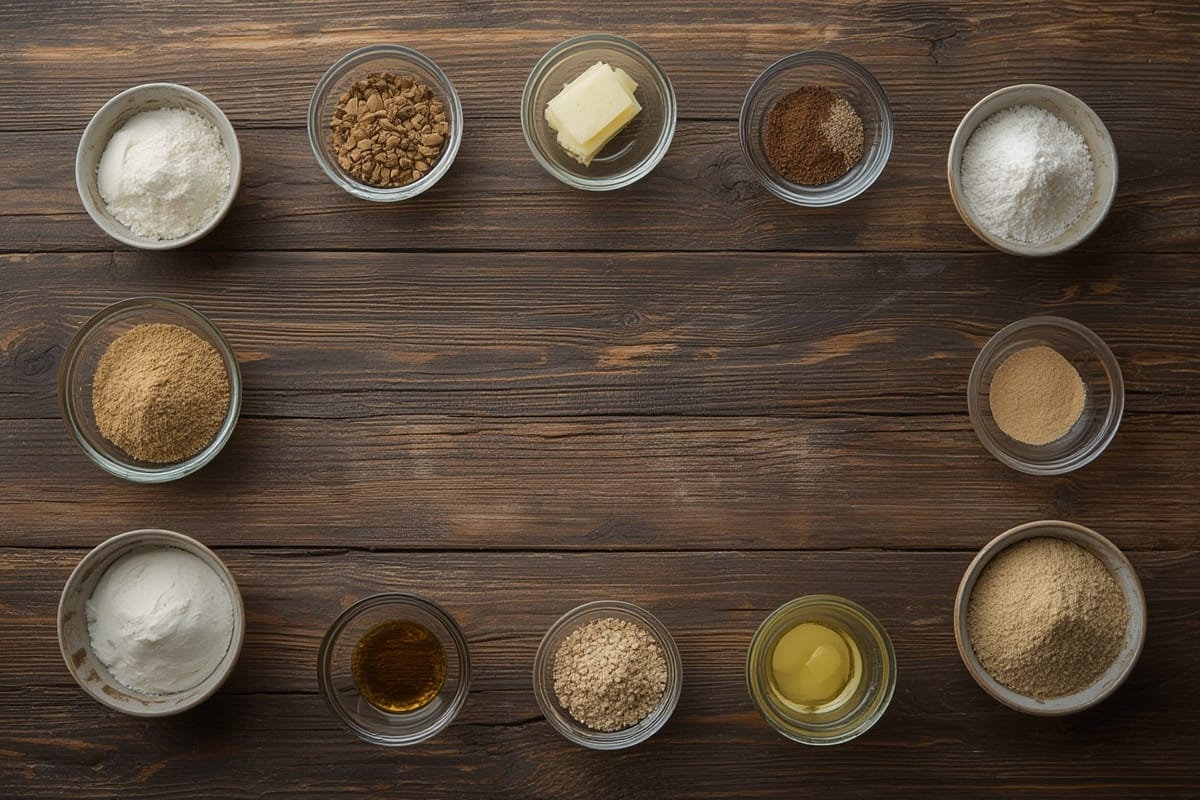
Making the perfect lemon tart starts with premium-quality ingredients. You’ll need:
This lemon tart recipe is friendly even for busy folks. Here’s how it breaks down:
Step
Time
Prep Time
15 minutes
Chill Dough
30 minutes
Bake Crust + Filling
30–35 minutes
Cool & Set
1 hour
In just under two hours, you’ll have a picture-perfect tart ready to wow your tastebuds.
Step-by-Step Instructions
Start by combining flour, powdered sugar, and salt in a bowl. Cut in the plant-based butter using a pastry cutter or food processor until the mix resembles coarse crumbs.
Add egg yolk and cold water. Mix until dough holds together. Wrap it and chill in the fridge for 30 minutes.
Preheat oven to 350°F (175°C). Roll out dough and press into a 9-inch tart pan. Prick base with fork and blind bake for 10–12 minutes with pie weights or this tart pan with removable bottom.
While the crust bakes, whisk eggs, sugar, lemon juice, and zest in a large bowl. Stir in your cream and optional turmeric.
Pour filling into pre-baked crust. Bake 25 minutes, or until set but slightly wobbly in center.
Cool on wire rack, then chill at least an hour before serving. Dust with powdered sugar or topped with fresh berries.
Pro Tip: For even smoother curd, strain the mixture before pouring it into the tart shell.
Elevate It: Tips and Variations for Your Lemon Tart
Make It Seasonal or Fancy
Once you’ve mastered the core, play with texture and garnish. For the holidays, top your tart with sugared cranberries. In summer, fresh basil pairs surprisingly well with lemon. Need a stunning visual addition? Use an adjustable cake decorating kit to pipe a circle of whipped coconut cream around the edges.
Other times, I torch a bit of sugar on top to create a brulee effect—adds a caramelized crunch that’s divine. Texture can matter as much as taste!
Make It Meal-Prep Friendly
Lemon tart can also be made ahead and frozen. Simply bake, cool, and wrap tightly with plastic then seal in freezer bags. Defrost overnight in the fridge for best results.
You can also visit the U.S. Department of Agriculture to review fresh lemon stats and nutrient data, confirming their abundance of vitamin C and potassium.
Technique Tips & Common Questions About Lemon Tarts
How to Thicken Your Filling Perfectly
A runny lemon tart isn’t a true lemon tart. What gives your curd its luscious structure is the ratio of eggs to liquid. For best thickness:
Use full-fat cream or coconut cream.
Avoid over-baking—remove tart while there’s still a slight jiggle.
Cook the filling mixture on the stove briefly before baking for extra insurance.
A good-quality whisk helps immensely here for uniform distribution of egg proteins during mixing.
Should You Refrigerate It?
Yes—always refrigerate your lemon tart at least one hour before serving. It’s even better overnight. Once set, the filling will firm up beautifully, allowing clean slices. Store leftovers in the fridge, covered, for up to four days.
If making ahead for special occasions, I use airtight cake carriers to keep everything pristine.
FAQs
What is the difference between lemon tart and lemon pie?
Lemon tart has a shortcrust pastry and a smooth curd filling, typically without a meringue topping. Lemon pie often includes custard or condensed milk-based filling, with a topping like whipped cream or meringue, and is placed in a flaky or graham cracker crust.
Does lemon tart need baking?
Yes. While some variations use stovetop curd only, the classic lemon tart—especially one with eggs and cream—is gently baked to ensure the custard sets firmly with a silky texture.
How do you thicken lemon tart filling?
Use a precise ratio of eggs, sugar, and cream. Let it cook gently either by baking or partial stovetop prep. A pinch of cornstarch can stabilize it if needed, but the eggs should do most of the work.
Should lemon tart be refrigerated?
Absolutely. Refrigeration sets the curd and enhances the flavor. Chill for at least an hour before serving, ideally longer.
Conclusion
If you’re looking for a dessert that’s equal parts elegance and comfort, the lemon tart deserves a place in your recipe repertoire. From its humble Southern beginnings to the patisserie-quality tarts of today, it’s a dish that evolves with you and your creativity.
With its brilliant yellow hue, creamy custard center, and nostalgia baked into every bite, the lemon tart connects family traditions, modern food trends, and pure flavor joy. It’s a tart that tells a story—maybe even yours.