
Disclosure: This post may contain affiliate links. As an Amazon Associate, we earn from qualifying purchases—at no extra cost to you.
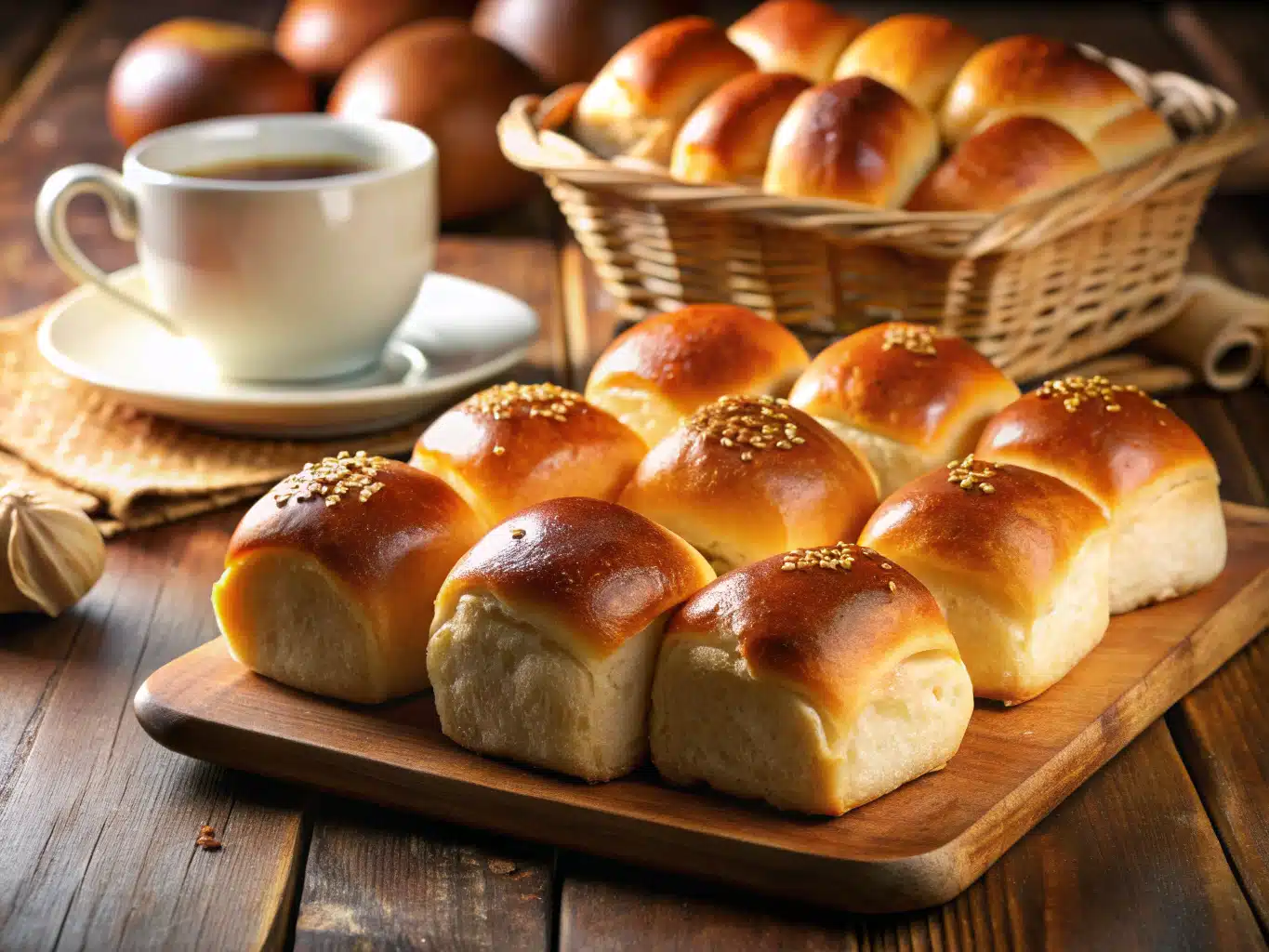
There’s a kind of magic in breadmaking that doesn’t get old—especially when it comes to Parker House Rolls. I first got a taste of these buttery beauties as a kid in Georgia during one of our famed Sunday dinners. My Aunt Lenora was the queen of rolls, and her Parker House Rolls disappeared faster than the fried chicken. What made them unforgettable? That fold-over shape with a buttery center, a golden crust that crackles just slightly, and a pillowy-soft interior practically begging for another swipe of butter.
As a chef who’s dabbled in both high-end fare and viral food trends, I keep coming back to the classics—the recipes with soul and history. Parker House Rolls aren’t just delicious, they’re a piece of culinary heritage. And trust me, once you learn the tricks, they’re easier than you think. This article will dive into their origins, how to make them perfectly, tasty variations to try, and answer your top questions. Let’s bring some buttery nostalgia into your kitchen.
The Rich History & Delicious Legacy of Parker House Rolls
The Origins: More Than Just a Bread Roll
The story of Parker House Rolls starts in 19th-century Boston at the historic Parker House Hotel. One evening, a grumpy chef allegedly tossed unfinished dough into the oven, folding it in frustration. The result? A golden, half-moon fold with a tender inside and buttery crust that wowed the guests. The rest is delicious history. Over time, these rolls went from regional specialty to American dining staple.
Their signature fold sets them apart—every roll is like a mini sandwich, holding a secret pocket of steam-softened dough. And let’s be honest: a roll with built-in butter cavities? That’s genius. These little guys are perfect for Sunday suppers, Thanksgiving feasts, or even as the MVP of your butter board spread.
A Southern Table Must-Have
Living in Austin keeps me close to the heart of Southern cooking, and Parker House Rolls remain a beloved fixture around here. They’re right at home beside sage butter turkey or a spicy gumbo. But honestly? I love slathering them with whipped honey butter first thing in the morning.
Compared to general dinner rolls, Parker House Rolls have more personality. Their shape, tender pull-apart texture, and buttery top make them memorable. They’re not fancy…but they’re honest. And in a world of complicated food trends, that kind of comfort is worth keeping around.
How to Make Parker House Rolls From Scratch
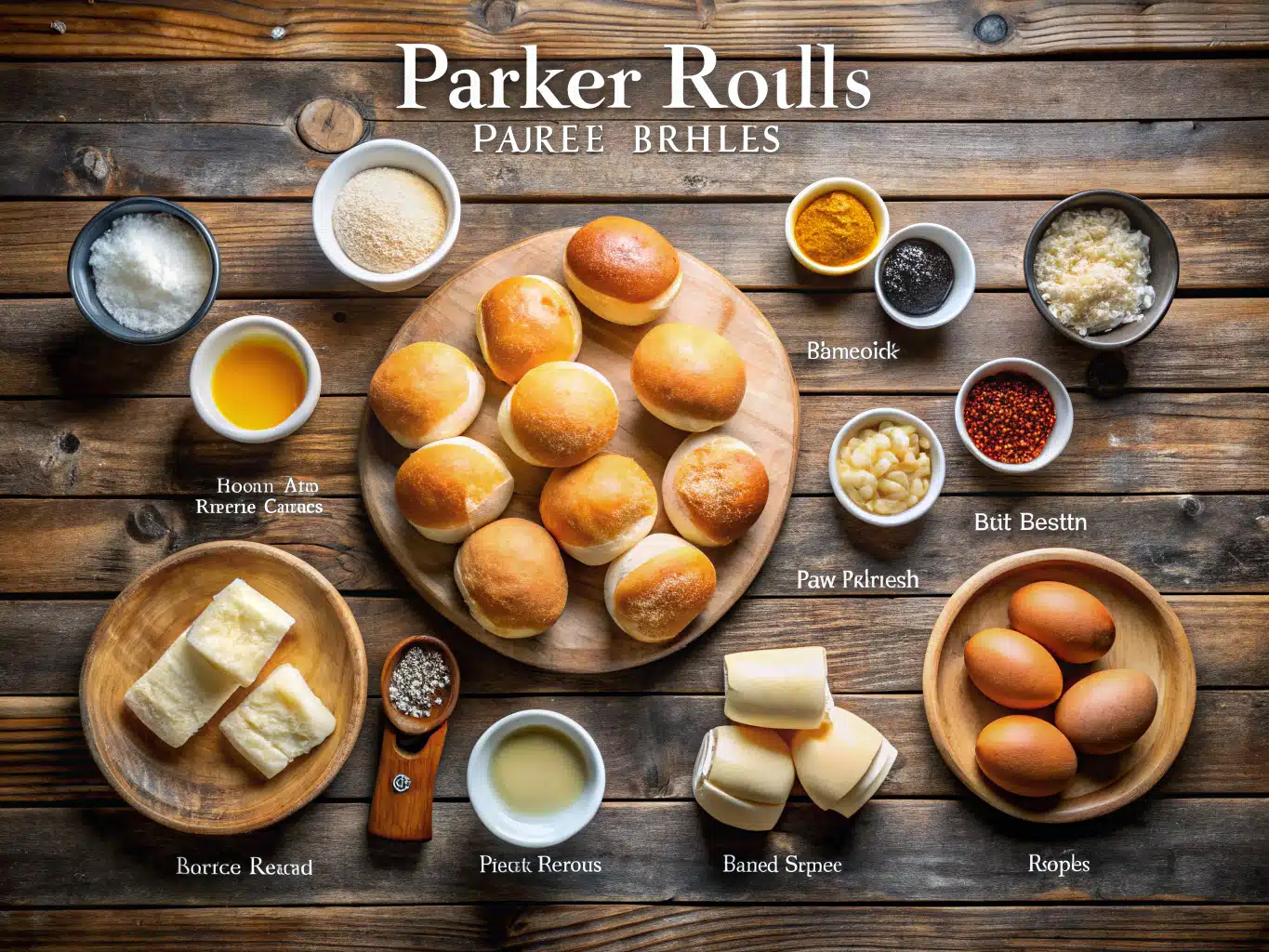
Ingredients List: Staples With Room to Improvise
Grab your apron, because it all begins with simple ingredients that most bakers already have on hand.
| Ingredient | Notes/Substitutes |
|---|---|
| All-purpose flour (4 cups) | Bread flour works too for a chewier texture |
| Whole milk (1 1/4 cups) | Warm to 110°F, or swap with unsweetened oat milk |
| Unsalted butter (1/2 cup) | Melted, plus more for brushing |
| Active dry yeast (1 packet) | Instant yeast? Reduce rise time by 15 minutes |
| Sugar (3 tablespoons) | Feeds the yeast and sweetens flavor |
| Salt (1 1/2 teaspoons) | Enhances flavor, not optional! |
| 1 large egg | Helps with structure and richness |
Timing: Patience Pays Off
Making Parker House Rolls doesn’t take all day, but you’ll want to plan for rising time. Total time is approximately 2 hours.
- Prep: 20 minutes
- First rise: 60–75 minutes
- Shape & second rise: 30 minutes
- Bake time: 15–18 minutes
That’s about 15% shorter than traditional homemade roll recipes. Speed doesn’t mean shortcutting flavor—we’re going for golden, fluffy perfection.
Step-by-Step Instructions: Foolproof and Flavor-Loaded
- Warm the milk and sprinkle in yeast. Add sugar, stir, and wait until frothy—usually about 5–7 minutes. That’s your yeast proofing.
- In a large mixing bowl, combine the flour, salt, and sugar. Whisk gently.
- Stir in the yeast mixture, beaten egg, and melted butter. Mix until a soft dough forms.
- Knead the dough for 8–10 minutes by hand or 5 minutes with a dough hook on medium speed. It should feel stretchy and smooth—like a warm pillow.
- Place in a greased bowl, cover with a damp towel, and let rise for one hour or until doubled.
- Roll dough to 1/2-inch thickness. Cut into 3×2-inch rectangles. Fold each one in half, sealing lightly.
- Arrange folded rolls on a buttered baking sheet. Let rise another 30 minutes.
- Preheat oven to 350°F. Bake for 15–18 minutes until tops are golden.
- Brush immediately with melted butter or better yet, try it with our herb butter.
Want deeper insight into how yeast works in baking? Check out this USDA science article on yeast fermentation and sugar conversion. It explains why warm milk, sugar, and patience are crucial steps.
Customizing & Pairing Your Parker House Rolls
Flavor Add-ins and Viral Twists
Once you’ve nailed the basics, it’s time to get creative. I like to grate a little sharp cheddar into the mix or even swirl in minced garlic and rosemary before folding. Speaking of garlic, if you’re a fan of bold flavors, pair your next batch with this punchy garlic bread twist on the side.
TikTok inspiration? Swipe some brown sugar and cinnamon inside before baking for a sweet morning version—it’s like a cinnamon roll’s savory cousin! And don’t forget brown butter brushed on top for something truly decadent.
Perfect Pairings at the Table
Parker House Rolls are endlessly versatile. Serve them with holiday roasts, barbecue ribs, chili, or as sliders with brisket tucked inside. They’re also a top-tier canvas for mushroom gravy or spreading on compound butter styles like cheddar biscuits.
I also love using leftover rolls to soak up soup. Think caramelized French onion or a thick Tuscan bean stew. Weeknight comfort food? Grab one alongside pasta and roasted veggies.
Troubleshooting & Tips for Fluffy Success
Common Problems & Easy Fixes
- Flat rolls? Your yeast might be expired or milk too hot.
- Tough texture? Likely overmixed or over-floured dough.
- Pale tops? Brush with butter before AND after baking for golden perfection.
Rest assured, making perfect Parker House Rolls doesn’t require a pro kitchen. Just follow these tips, trust the dough, and treat the bake like a celebration.
Storage, Reheating & Freeze Tips
You can store baked rolls in an airtight container for up to 3 days at room temp. To reheat, wrap in foil and warm in a 300°F oven for 8–10 minutes.
Freezing tips: Once cool, freeze rolls in batches. To serve, thaw overnight in the fridge and warm in the oven. They’ll taste freshly baked.
For dough freezing, shape and freeze unbaked rolls. Defrost in the fridge overnight, rise 45 minutes, then bake normally. That’s tried and tested from years in my Austin kitchen.
Frequently Asked Questions
What is special about Parker House Rolls?
Their signature folded shape traps steam during baking, making them uniquely soft inside and crisp outside. They’re also brushed generously with butter, giving them flavor in every bite.
What’s the difference between dinner rolls and Parker House Rolls?
Dinner rolls are typically round and uniform. Parker House Rolls are folded, buttery, and have more texture from their distinctive half-moon fold.
What are Parker House Rolls named after?
They’re named after the Parker House Hotel in Boston, where they were invented in the 1870s by accident—a happy kitchen mishap turned into legend.
Are Parker House Rolls good?
Absolutely. Buttery, soft, slightly sweet, and melt-in-your-mouth—the flavor and texture are in a class of their own.
Conclusion
Parker House Rolls aren’t just dinner rolls. They’re warm memories, kitchen stories, and a masterclass in comfort food. From their charming fold to buttery finish, these rolls invite creativity while honoring tradition. Whether you’re making them for the holidays, a cozy dinner, or your next foccacia bread night, they’ll earn their place at the table.
Now it’s your turn—grease up that baking sheet and let your kitchen fill with the smell of pure, buttery goodness. Trust me: your guests will taste the love folded into every single roll.
Print
Parker House Rolls: A Classic Worth Baking Today
- Total Time: 2 hours
- Yield: 12 rolls 1x
Description
There’s magic in breadmaking—especially with Parker House Rolls. Buttery, folded, and fluffy, they’re a nostalgic staple with roots in 19th-century Boston. These classic rolls are the perfect side for any comforting meal.
Ingredients
4 cups all-purpose flour (or bread flour for chewier texture)
1 1/4 cups whole milk, warmed to 110°F (or unsweetened oat milk)
1/2 cup unsalted butter, melted (plus more for brushing)
1 packet active dry yeast
3 tablespoons sugar
1 1/2 teaspoons salt
1 large egg
Instructions
1. Warm the milk and sprinkle in yeast. Add sugar, stir, and wait until frothy (5–7 minutes).
2. In a large bowl, mix flour, salt, and sugar.
3. Add yeast mixture, beaten egg, and melted butter. Mix to form dough.
4. Knead for 8–10 minutes by hand or 5 minutes with dough hook until smooth.
5. Place in greased bowl, cover, and rise for 1 hour until doubled.
6. Roll dough to 1/2-inch thickness. Cut into 3×2-inch rectangles. Fold each one and lightly seal.
7. Place on buttered baking sheet and let rise 30 more minutes.
8. Preheat oven to 350°F. Bake 15–18 minutes until golden.
9. Brush with melted or herb butter immediately.
Notes
Try flavor variations like garlic, rosemary, or cheddar.
For a sweet twist, add cinnamon and brown sugar before folding.
Perfect with soups, roasts, or as mini sliders.
Store in an airtight container up to 3 days or freeze for later.
- Prep Time: 20 minutes
- Cook Time: 18 minutes
- Category: Side
- Method: Baking
- Cuisine: American
Nutrition
- Serving Size: 1 roll
- Calories: 180
- Sugar: 3g
- Sodium: 200mg
- Fat: 8g
- Saturated Fat: 5g
- Unsaturated Fat: 2g
- Trans Fat: 0g
- Carbohydrates: 24g
- Fiber: 1g
- Protein: 4g
- Cholesterol: 30mg
Keywords: parker house rolls, buttery rolls, classic dinner rolls, homemade bread