
Disclosure: This post may contain affiliate links. As an Amazon Associate, we earn from qualifying purchases—at no extra cost to you.
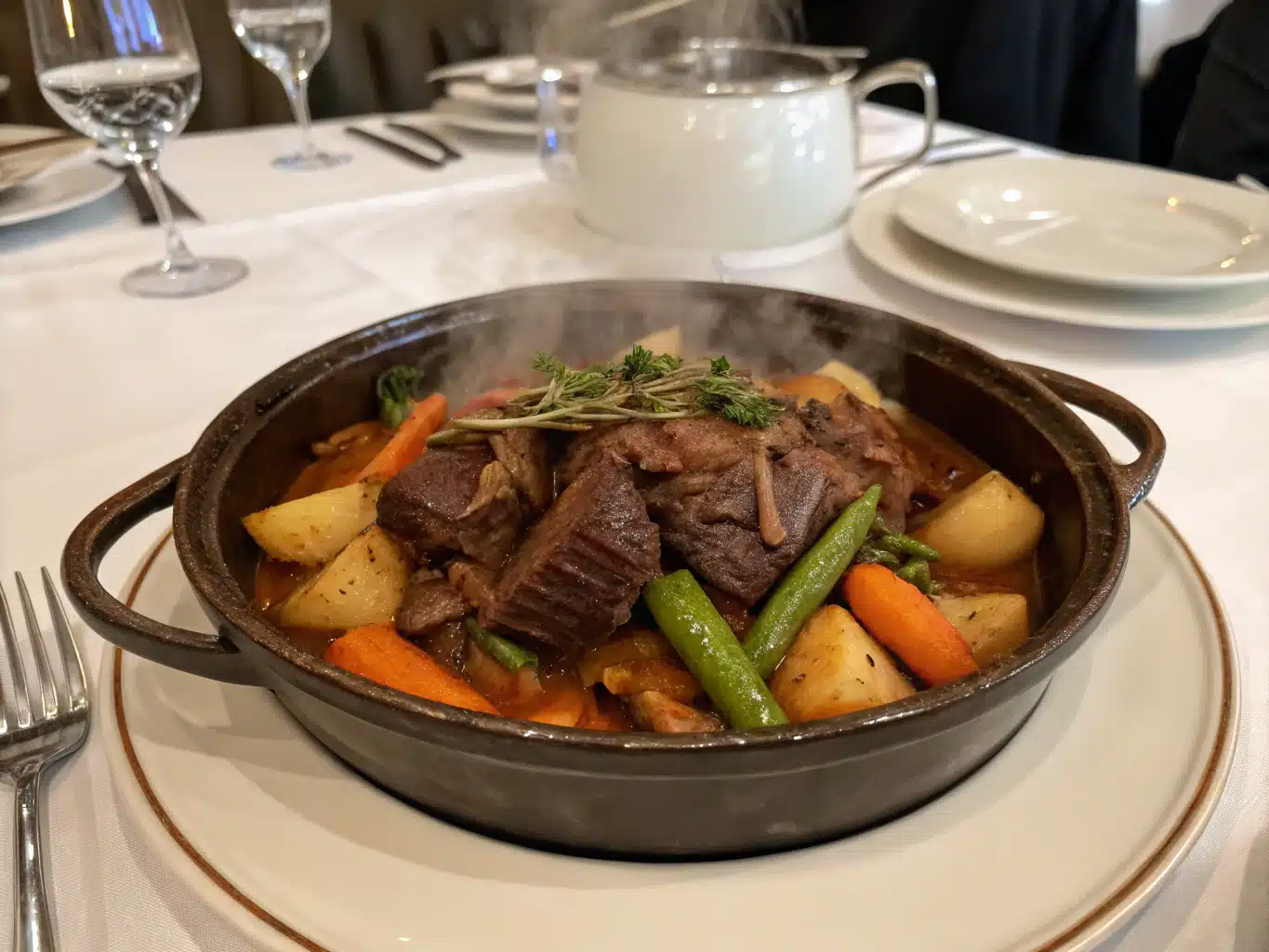
There’s something magical about the scent of a rich, slow-cooked POT ROAST drifting through the house. Whenever I make this dish, I’m transported back to my grandma’s kitchen in rural Georgia. Sundays were for pot roast—full stop. And not just any kind. I’m talking about a luscious, fall-apart roast, simmered with love, patience, and a ton of flavor. It was the centerpiece of the meal, surrounded by mashed potatoes, buttery rolls, and whatever seasonal veggie was fresh from someone’s garden.
Now, living in Austin with a fridge stocked from farmers’ markets and flavor inspiration flowing from every direction, I still go back to this timeless dish. But with a twist. Sometimes I throw in new elements—like a splash of Korean gochujang for a hit of heat or a base of herb butter instead of just oil. No matter how I switch it up, the heart of the POT ROAST remains: comfort, connection, and a whole lot of deliciousness. In this guide, we’re diving into the full breakdown: the cut, the cook, the key flavors, and some perfect sidekicks. You’re not just going to make pot roast—you’re going to master it.
Pot Roast Roots: Where Flavor Meets Tradition
Why Pot Roast Still Wins Every Time
Even in today’s world of viral recipes and five-minute dinners, POT ROAST holds its crown. It’s rich, hearty, and practically cooks itself in the oven or crockpot. A great pot roast tastes like home. The technique, called “braising,” combines low heat and long cook time with moisture to break down tough cuts of beef into mouthwatering tenderness.
And here’s a fun twist—POT ROAST doesn’t have to be predictable. Some folks stick to the holy trinity of carrots, onions, and potatoes. But you can tuck in mushrooms, parsnips, or even cooked grains. Think of it as your base for culinary creativity.
Memories on the Plate
For me, it started with a chuck roast in my grandma’s Dutch oven. She didn’t have culinary credentials, but she did have instinct. A splash of apple vingear, garden carrots, thyme she dried herself—that’s what made her POT ROAST unforgettable. Today, when I make my own version, I add store-bought shortcuts like this brown gravy recipe or treat myself to indulgent sides like garlic mashed potatoes.
Now let’s talk ingredients, method, and timing on making this dish undeniably your own.
Building Flavor: From Prep to Plate
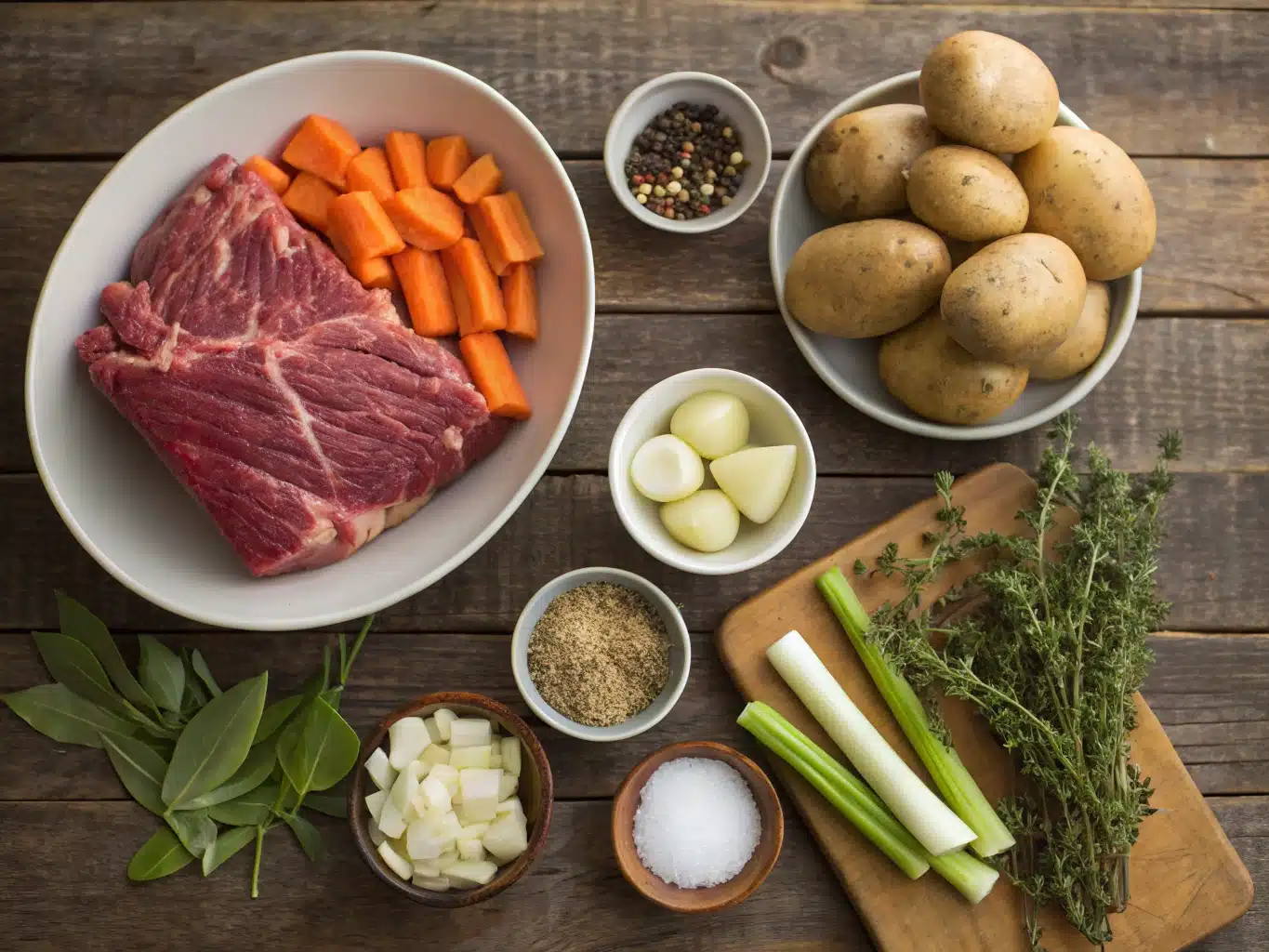
Ingredient List: Classic with Optional Twists
This pot roast leans on foundational flavor but leaves space for adventurous additions. Don’t worry, substitutions are listed too, so you can make this using what you’ve got at home.
| Ingredient | Suggested Substitute |
|---|---|
| 3–4 lbs beef chuck roast | Brisket or round roast |
| 2 tbsp oil (olive or avocado) | Butter or [herb butter](https://flavivotrends.com/quick-viral-eats/herb-butter/) |
| 1 large onion, chopped | Shallots or leeks |
| 4 cloves garlic, minced | Roasted garlic |
| 4 large carrots, chopped | Parsnips or sweet potatoes |
| 2 cups beef broth | Vegetable or mushroom broth |
| 1/2 cup apple vingear | Extra broth or balsamic vinegar |
Timing Makes the Magic Happen
A perfect pot roast isn’t a rush job. You’ve got to give it love—and time.
- Prep time: 15–20 minutes
- Searing time: 10 minutes
- Cook time (oven): 3.5 to 4 hours at 300°F
- Total time: 4 to 4.5 hours
Weekend slow-simmer? Yes. Weeknight possible? Totally—especially if you use a slow-cooker set up before work or a faster Dutch oven approach (some ovens even nail it in under 3 hours).
Step-by-Step: Bring Your Roast to Life
- Preheat oven to 300°F, or set your slow cooker to low.
- Pat the beef dry and season generously with salt, pepper, and optional dried herbs.
- Heat oil or butter in a large pot. Sear roast on all sides until browned—don’t rush; caramelization equals flavor.
- Remove the roast. Add onions and garlic—sauté until fragrant.
- Add carrots and cook for a few minutes.
- Return roast to the pot. Pour in remaining broth until halfway submerged.
- Cover with a lid. Transfer to oven or slow cooker.
- Cook low and slow. Check occasionally, turning meat once about midway.
- Test with a fork around 3.5 hours. Flesh should pull apart easily.
- Let rest 10 minutes before slicing or shredding.
Want to really level it up? Serve with sides like corn casserole or these creamy, crispy parmesan potatoes.
Secrets for Juicy Pot Roast Every Time
Picking the Right Cut + Cookware
Most POT ROAST disasters come from using lean or low-fat cuts. You need one with good marbling to break down beautifully. Chuck roast is number one for a reason—it gives a buttery bite when slow-cooked. Brisket’s another solid option if you’re aiming for depth and complexity.
The pot matters too. For oven, a heavy Dutch oven reigns supreme. For stove-top, use something deep and tight-lidded. For crockpot lovers, just make sure there’s enough moisture to avoid drying out.
Flavor Boosters That Make a Big Difference
To elevate your POT ROAST, think layers. A dollop of herb-infused butter stirred into the drippings before serving? Game-changer. Stirring in a teaspoon of tomato paste during the onion step adds umami depth.
For an unstoppable one-dish meal, try pairing with something rich and creamy like this hashbrown casserole on the side. It’s a southern comfort match made in heaven.
And from a nutritional perspective, slow cooking actually helps retain key minerals. According to Oregon State University’s Food Resource Center, simmering meats and vegetables slowly in broth improves flavor while preserving nutrients which often degrade in fast, high-heat cooking.
Making Leftovers Work for You
Transforming Next-Day Pot Roast
Leftovers aren’t just convenient, they can be better than Day One. Reheat pot roast gently to avoid drying—try in a pan with a splash of broth, covered. Shred beef and toss it into tacos, stir into fried rice, or turn it into a cowboy-style egg skillet the next morning.
One personal favorite? Chopped pot roast in a biscuits and gravy breakfast twist. Total southern savagery, Raymond-style.
Freezing, Storing, and Reheating
Split your roast into portions if freezing. Store broth, meat, and veggies together in sealed containers—airtight and labeled. It’s best used within 2–3 months from the freezer or 3–4 days from the fridge.
Always reheat meats in sauce or drippings to maintain that juicy tenderness. Crockpot rewarming? Perfect for hands-off prep.
FAQs
❓ What is the best liquid for pot roast?
The best liquid is beef broth or a combination of beef broth and apple vinegar.
❓ What meat is in pot roast?
POT ROAST is typically made with tougher beef cuts like chuck roast, brisket, or round roast—these are affordable, flavorful, and perfect for long slow cooking.
❓ What is the best cut of beef for a pot roast?
Beef chuck roast remains the go-to thanks to its rich marbling and fall-apart texture after braising. Brisket and bottom round also work, but they might need longer and more gentle cooking.
❓ How long does a pot roast need to be cooked?
A pot roast takes about 3.5 to 4.5 hours in the oven at 300°F or 8 hours on low in a slow cooker. Undercooking leads to toughness, so be patient until it’s fork-tender.
Conclusion
There’s no one-size-fits-all when it comes to POT ROAST, and that’s the beauty of it. Whether you’re using your grandma’s recipe, remixing a viral version with miso paste, or simply throwing your own spin into the mix, pot roast remains the ultimate comfort food. It feeds the soul, fills the kitchen with love, and reminds us of Sunday dinners when life moved slower and tasted better.
Take this approach, blend in your own flavor personality, and you’ll never look at pot roast the same way again. And if you’re already dreaming about tomorrow’s leftovers, you’re not alone. Happy cooking, and here’s to meals that hug you back.