
Disclosure: This post may contain affiliate links. As an Amazon Associate, we earn from qualifying purchases—at no extra cost to you.
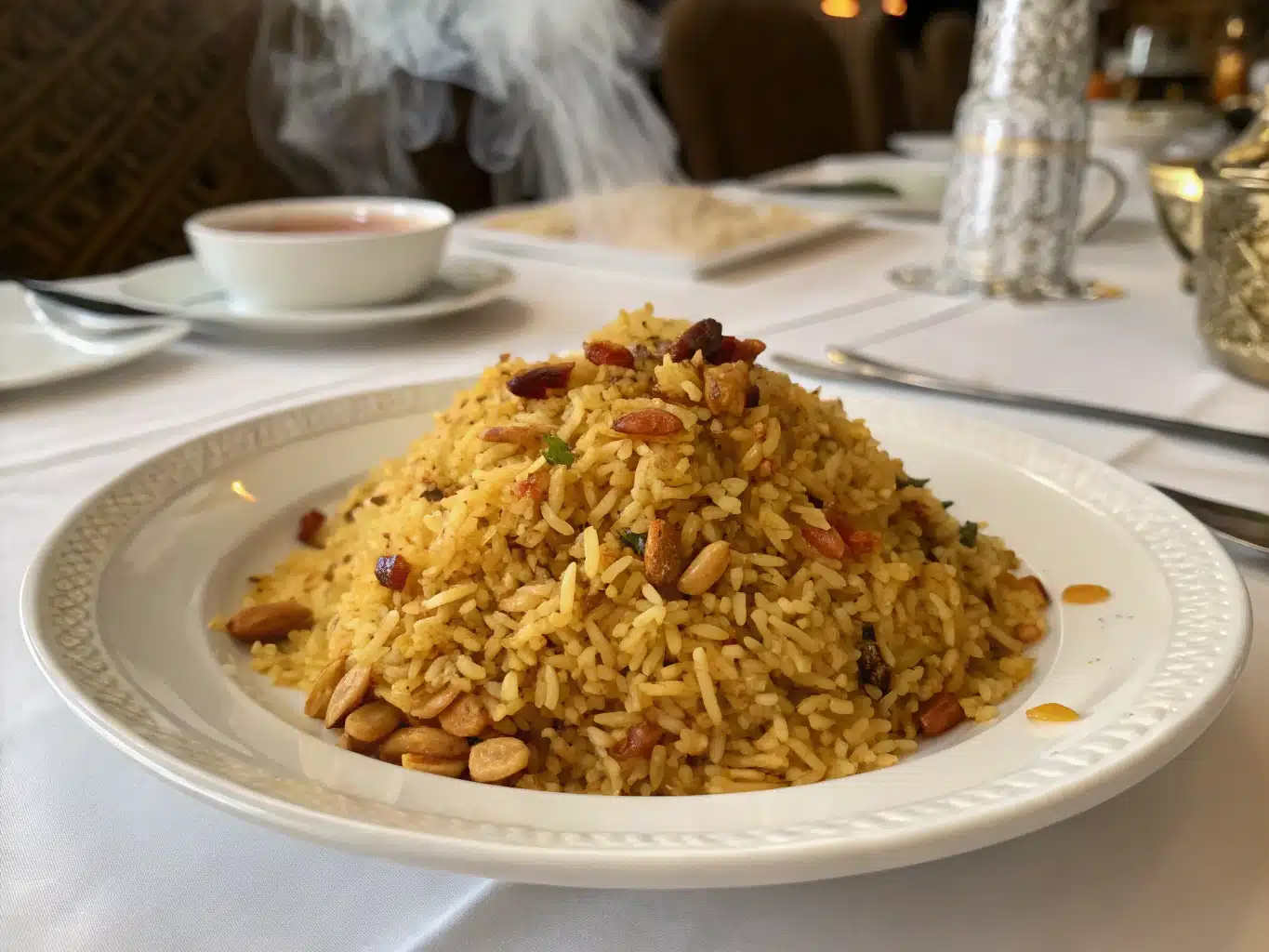
If you’ve ever sat down to a meal and found yourself swooning over a side dish more than the main event, you’ll know the magic of a good rice pilaf. This article unpacks everything you need to know—from its fragrant foundation to common pitfalls (and how to avoid them). I’ll walk you through a homemade version pulsing with personality and flavor. Whether you’re boosting a weeknight dinner or planning Sunday supper, there’s always room for rice pilaf.
Let’s take a deep dive into this humble dish that pairs beautifully with roasted meats, hearty vegetables, and everything in between.
Rice Pilaf: A Southern-Inspired Staple with My Own Twist
From Sunday Suppers to Kitchen Triumphs
I’ll never forget the first time someone complimented my rice pilaf more than my roast chicken. It was a Sunday, the kind I grew up with back in Georgia—slow-cooked meals, nothing too fancy, but real food. My Aunt Inez always brought her buttery rice casserole; it was something in between plain rice and something dressed up. As a kid, I didn’t think much of it. But years later, I started experimenting in the kitchen, mixing memories from home with inspiration from my culinary adventures.
That’s when rice pilaf became a signature side, not an afterthought. My version pulls from creole flavors I absorbed in culinary school in New Orleans, herbs from my Texas garden, and a heavy dose of comfort. What I love most about rice pilaf is the way it brings together flavor, texture, and aroma in one subtle but satisfying dish. It’s more than cooked rice—it’s about coaxing out warm, nutty notes and creamy textures in every bite. Whether I pair it with herb-roasted chicken or boldly spiced garlic potatoes, it always steals the show.
Of course, there are countless ways to personalize it. Traditionally, it’s rice sautéed in fat before being simmered in broth with aromatics—and you know I’m all about those aromatics. Think onion, garlic, bay leaf, and maybe even a hint of cinnamon if we’re feeling fancy. From there, the dish welcomes tanabattering like toasted nuts, dried fruit, or pure comfort on its own.
Why Rice Pilaf Deserves the Spotlight
What really separates rice pilaf from just “boiled rice” is flavor. It starts with toasting—as simple as that. Once you gently brown grains in butter or oil with onions and garlic, you set up a foundation that broth just elevates. The texture is fluffy, not clumpy. The taste? Rich, layered, comforting.
And isn’t that what we want from a good meal? Something cozy, yet elevated. Something that says, “I didn’t fuss, but I cared.”
When I’m batch cooking for the week, I’ll often toss rice pilaf together—because it’s easy to reinvent. Serve it next to spaghetti squash casserole on Monday, wrap it in a burrito on Tuesday, and team it with roasted carrots on Wednesday. Versatility for the win.
Now, let’s get down to the nitty-gritty and make a rice pilaf that’s better than any you’ve tasted.
Classic Rice Pilaf Recipe: Comfort in Every Spoonful
Ingredients List
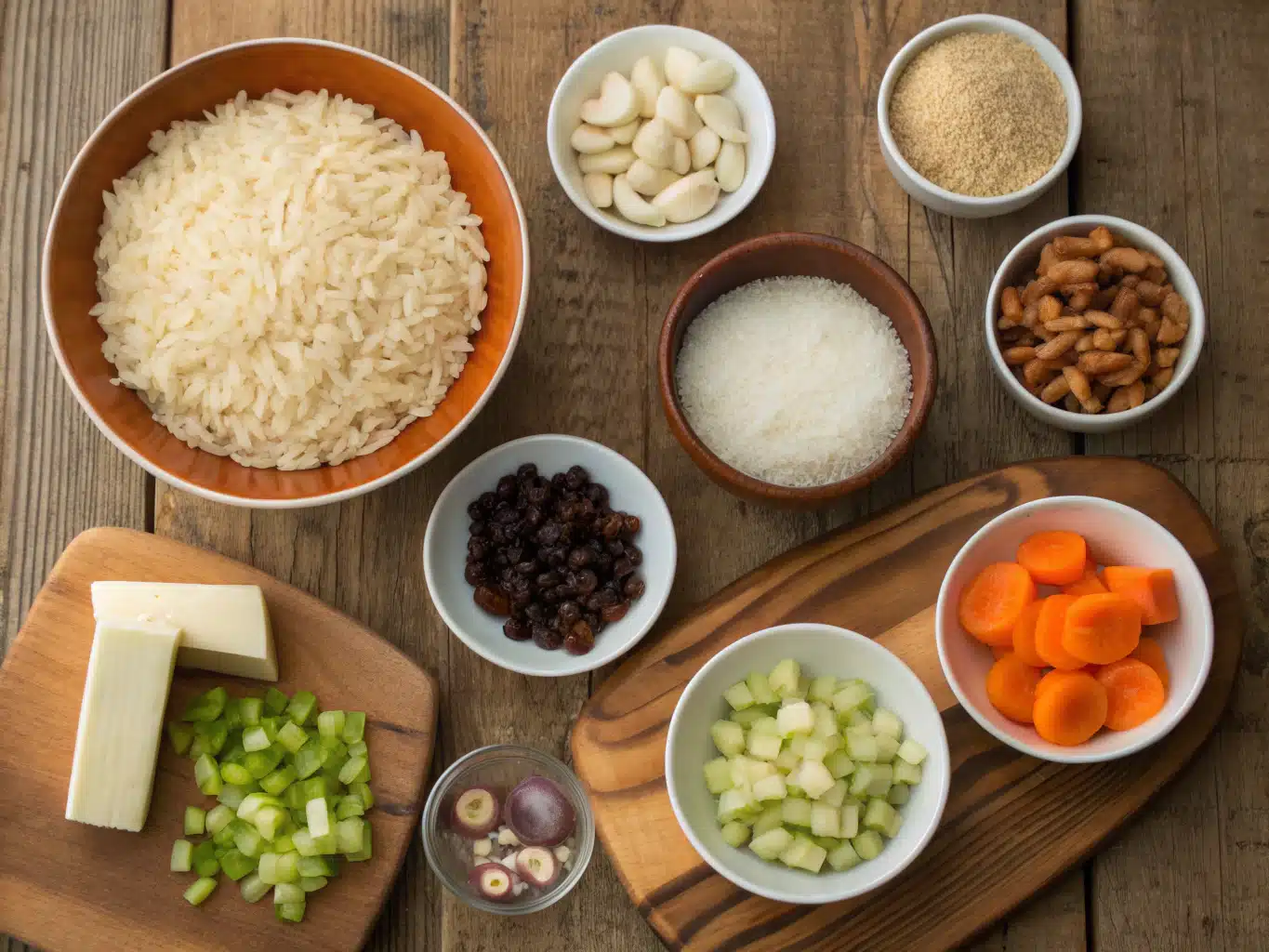
Let’s build this flavor bomb step by step. Here’s what you’ll need to get started:
| Ingredient | Amount |
|---|---|
| Long-grain white rice | 1 cup |
| Unsalted butter | 2 tablespoons |
| Yellow onion, diced | ½ cup |
| Garlic, minced | 2 cloves |
| Chicken or vegetable broth | 2 cups |
| Salt | ½ teaspoon |
| Optional: chopped parsley, slivered almonds, lemon zest | To garnish |
Want to mix it up? Swap rice for orzo or quinoa. Use olive oil instead of butter for a heart-healthier base. And if you’re going plant-based, herb butter alternatives bring delicious richness without dairy.
Prep and Cook Time Breakdown
Here’s how the timing unfolds beautifully:
- Prep Time: 10 minutes
- Cook Time: 20–25 minutes
- Total Time: ~30–35 minutes
That’s about 20% less time than recipes that involve baking it after stovetop prep—and just the right window for multitasking other meal components like green bean sides or roasted parsnips.
Step-by-Step Instructions
- Rinse your rice in cold water until it runs clear—this keeps it light and fluffy.
- In a medium saucepan, melt your butter over medium heat. Once foamy, add diced onion and sauté for 2-3 minutes.
- Add garlic and stir until aromatic, about 30 seconds.
- Stir in the rice. Let it toast—keep stirring for 4-5 minutes until it smells nutty and turns just golden.
- Pour in the broth and salt. Stir to combine.
- Bring everything to a boil, then reduce heat to low. Cover the pan.
- Simmer for 18-20 minutes until rice absorbs all liquid.
- Leave the lid on and let it rest (off heat) for 5 minutes.
- Fluff with a fork. Add chopped parsley, lemon zest, or toasted almonds for bonus flair.
A gentle reminder: No peeking while it’s cooking! Trapping steam is essential for fluffy grains.
And for those watching sodium or looking to maintain a nutrient-dense meal, using low-sodium broth aligns with the USDA’s Dietary Guidelines.
Mastering Techniques and Variations
What Makes It a “Pilaf”?
By definition, rice pilaf is cooked with the absorption method where first you sauté rice in fat, then simmer it in just enough liquid to get absorbed. The toasting is crucial—it develops deep, nutty flavors that water-cooked rice just can’t achieve.
Contrast that with boiling rice: there’s no sauté, and starches often get washed away.
The core process of pilaf also includes aromatics. They help infuse every grain with layered depth. You’ll also find many global versions—like Middle Eastern pilafs with raisins and saffron or Greek pilafi wrapped in red sauce.
Common Mistakes and How to Avoid Them
Let’s get ahead of the game by staying clear of the most common errors:
- Rinsing rice poorly: Excess starch leaves it gummy.
- Skipping the toasting: This sacrifices flavor.
- Lifting the lid: Steam escapes and causes uneven cooking.
- Adding cold broth: This interrupts the simmering magic—always warm your stock.
Optional additions like diced carrots or nuts introduce crunch and color, though you can keep it simple if serving alongside something bold, like this squash casserole.
Rice Pilaf Pairings and Leftover Magic
Best Proteins and Veggie Sides to Pair With Pilaf
This dish shines next to roasted proteins—especially roast chicken, braised lamb, or grilled tofu. Still, its balance really comes alive with veggie fats and buttery contrasts.
Try serving pilaf with a creamy parsnip puree or tangy marinated eggplant for a memorable mix. Its mild structure lets bold sides shine without dulling them down.
Reinventing Leftovers
Pilaf reheats well—which is why day-two transformations are my jam. Rewarm it in a hot skillet with chopped veggies and eggs for a rice frittata. Or press it into muffin tins with cheese for mini rice casseroles. Mix it into soups to add heartiness, or create rice-stuffed bell peppers.
With just that one base, you’re suddenly prepping meals that feel new days later.
FAQs: Rice Pilaf Questions, Answered
What is rice pilaf made of?
Rice pilaf typically includes long-grain rice, fat (like butter or olive oil), aromatics (onion and garlic), and flavorful liquid such as broth. Optional spices, herbs, or toasted nuts can boost flavor and texture.
What is the difference between regular rice and rice pilaf?
Regular rice is often boiled in water. Rice pilaf, by contrast, is sautéed first in fat, then cooked in broth with aromatics. This method produces a more flavorful and fluffy grain.
What makes something a rice pilaf?
A dish qualifies as a pilaf when rice is toasted before simmering and cooked using the absorption method with flavorful ingredients. The result is tender, distinct grains infused with savory taste.
What are common mistakes making rice pilaf?
Skipping the rinse, using cold broth, and lifting the lid while cooking are common pitfalls. These lead to mushy or unevenly cooked rice. Toasting and patience are key for success.
Conclusion
Now you know—rice pilaf isn’t just a side dish; it’s a soulful, sensory part of a meal that brings warmth and memory to every bite. Whether you keep it classic or riff with extras, the technique stays the same: toast, simmer, let it rest, then fluff.
With this versatile, easy-to-make base, your next meal gets a boost of flavor that’s simple yet satisfying. So next time you’re wondering what’ll tie the dinner table together, think rice pilaf—it’s much more than a humble grain.
Print
How to Make Fluffy, Flavorful Rice Pilaf Every Time
- Total Time: 35 minutes
- Yield: 4 servings 1x
Description
A Southern-inspired, comfort-filled rice pilaf rich in flavor, texture, and aroma—perfectly fluffy and versatile. Ideal as a weeknight side or centerpiece for Sunday supper.
Ingredients
1 cup Long-grain white rice
2 tablespoons Unsalted butter
½ cup Yellow onion, diced
2 cloves Garlic, minced
2 cups Chicken or vegetable broth
½ teaspoon Salt
Optional: chopped parsley, slivered almonds, lemon zest
Instructions
1. Rinse your rice in cold water until it runs clear.
2. In a medium saucepan, melt your butter over medium heat. Once foamy, add diced onion and sauté for 2-3 minutes.
3. Add garlic and stir until aromatic, about 30 seconds.
4. Stir in the rice. Let it toast—keep stirring for 4-5 minutes until it smells nutty and turns just golden.
5. Pour in the broth and salt. Stir to combine.
6. Bring everything to a boil, then reduce heat to low. Cover the pan.
7. Simmer for 18-20 minutes until rice absorbs all liquid.
8. Leave the lid on and let it rest (off heat) for 5 minutes.
9. Fluff with a fork. Add chopped parsley, lemon zest, or toasted almonds for bonus flair.
Notes
No peeking while it cooks—trapping steam is key for fluffy grains.
Low-sodium broth keeps things heart-healthy and flavorful.
Leftovers can become frittatas, mini casseroles, or soup boosters.
- Prep Time: 10 minutes
- Cook Time: 25 minutes
- Category: Side Dish
- Method: Stovetop
- Cuisine: Southern-American
Nutrition
- Serving Size: 1 cup
- Calories: 220
- Sugar: 2g
- Sodium: 370mg
- Fat: 8g
- Saturated Fat: 5g
- Unsaturated Fat: 2g
- Trans Fat: 0g
- Carbohydrates: 33g
- Fiber: 1g
- Protein: 4g
- Cholesterol: 20mg
Keywords: rice pilaf, southern rice, creole rice, side dish, comfort food