
Disclosure: This post may contain affiliate links. As an Amazon Associate, we earn from qualifying purchases—at no extra cost to you.
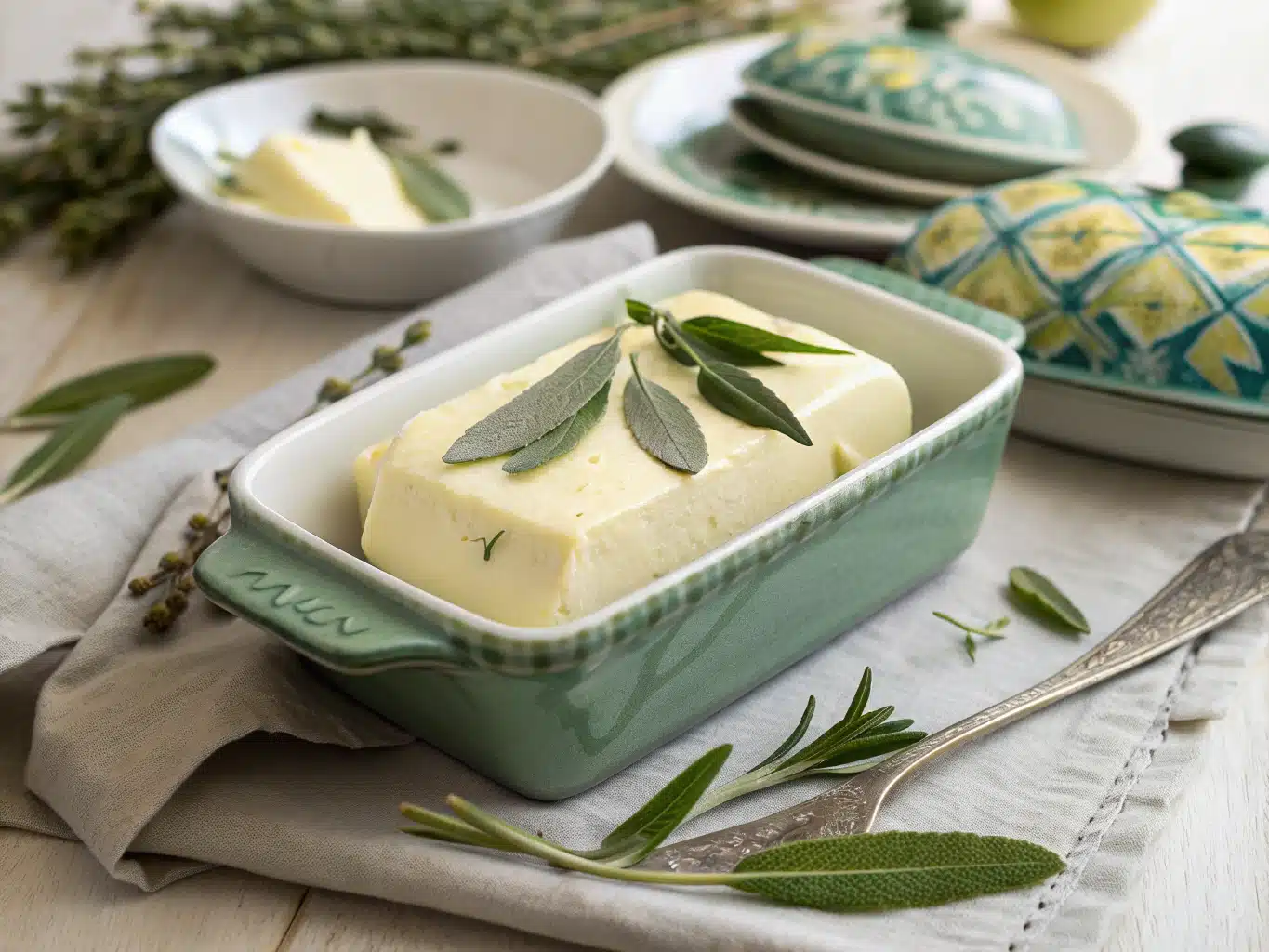
Table of Contents
Few things in the kitchen are as magical and delightfully simple as sage butter. I still remember the first time I tasted it: visiting my aunt in the Georgia countryside one fall, the smell of butter browning with fresh sage wafted from her tiny kitchen. She spooned it over gnocchi, and I was instantly hooked. That one meal took me back to Sunday dinners filled with stories and soul, and ever since then, sage butter’s been my go-to flavor bomb.
In this guide, I’ll show you how to make sage butter and how to use it in ways that’ll turn even the simplest meal into something special. From pairing it with garlic and chicken to using it on pasta or roasted veggies, we’ll cover it all. You’ll learn not only how to create it but also how to elevate it. Let’s get into the richness of sage butter and why it deserves a permanent place in your kitchen lineup.
How Sage Butter Became a Southern Staple in My Kitchen
The Aromatic Power of Sage Butter
Sage butter isn’t just trendy—it has deep roots. With earthy notes and a soft bitterness, sage brings complexity, while butter adds warmth and richness. The first time I cooked sage butter, I spooned it over pan-seared chicken breasts, expecting something good. What I got was spectacular. The crispy sage leaves turned slightly nutty in the butter, creating a sauce that clung to the chicken like it was meant to be there.
Sage butter quickly became more than just a sauce in my kitchen. I’ve drizzled it over roasted air fryer sweet potatoes for a cozy autumn dinner and swirled it into creamy beef and garlic butter pasta for a midweek flavor kick. Fun thing is, it always feels like an indulgence—even though it can be made in just minutes.
Flavor Meets Versatility
Once you get the hang of making sage butter, it’s hard not to use it on everything. The base of browned butter complements so many textures—think crispy parmesan potatoes or soft spinach-stuffed ravioli. Where sage truly shines is when paired with fonts of umami like Parmesan or mushrooms, which is why my creamy mushroom and asparagus chicken penne sings so beautifully with it.
If you like switching things up, add a touch of garlic or even lemon zest to your sage butter. You’ll open up flavor combinations that can go from rustic to refined with one pan. Making and mastering sage butter is less about technique and more about trust—trusting that good ingredients, when treated right, will always shine.
From Farm to Flavor: How to Make Sage Butter at Home
Ingredients List
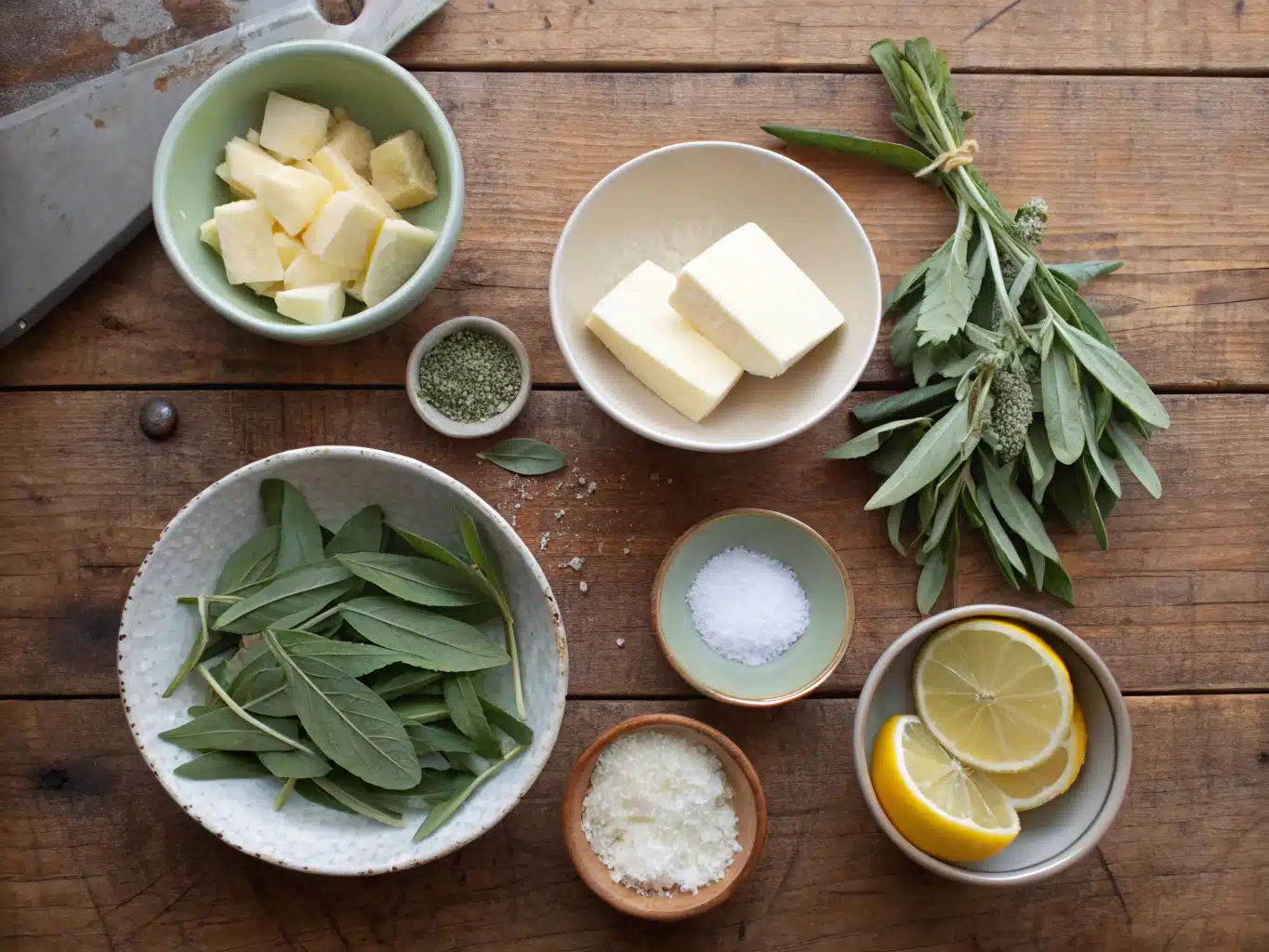
To make sage butter, you need very few ingredients—but the quality of each one matters. Fresh sage is non-negotiable; dried sage just won’t release those fragrant oils the same way.
| Ingredient | Amount |
|---|---|
| Unsalted Butter | 1/2 cup (1 stick) |
| Fresh Sage Leaves | 8–10 leaves |
| Garlic Clove (optional) | 1, finely chopped |
| Salt | Pinch, to taste |
Substitutions: Try ghee for a nutty, clarified twist. Vegan butter also works wonderfully for plant-based recipes—just avoid margarine, as it breaks differently when heated.
Timing & Temperatures
Making sage butter is a five-minute job with a flavor payoff that tastes like it took hours. Here’s a quick rundown:
- Prep Time: 2 minutes
- Cook Time: 4–5 minutes
- Total Time: Under 7 minutes
Compared to sauces that can simmer for 30 minutes or more, this quick flavor builder works in almost any last-minute recipe.
Step-by-Step Instructions
- Heat a small skillet over medium heat. Add your butter.
- Once it starts to melt, swirl frequently. The butter will foam slightly and begin browning.
- Add the sage leaves (and garlic if using). Cook until sage crisps and the fragrance blooms—about 2 minutes.
- Remove from heat immediately to avoid burning. Add a pinch of salt.
- Spoon over meat, veggies, or pasta straight from the pan.
Pro Tip: For enhanced flavor, zest a bit of lemon into the finished butter. It cuts through the richness and boosts fragrance.
Why Sage Butter Deserves a Spot in Everyday Cooking
The Perfect Compliment to Protein
Meats love sage butter. Drizzle it over seared beef chops for a herbaceous finish. Toss it with golden garlic parmesan chicken and a squeeze of lemon, or spoon it over parmesan crusted chicken for a crispy-crunchy herb boost.
One of my favorite pairings? Pan-seared salmon with crispy sage and browned butter pools—it’s rich, balanced, and has that comforting aroma that brings everyone to the kitchen asking, “What smells so good?”
According to the National Institute on Aging, herbs like sage also help reduce your need for excess salt by naturally enhancing flavor—a bonus if you’re watching your seasoning.
Vegetables and Grains That Shine with Sage
But sage butter’s charm doesn’t end at meat. Roasted carrots, Brussels sprouts, and butternut squash become their best selves when cloaked in melted sage-perfumed butter. Likewise, it breathes new life into an ordinary bowl of rice or quinoa.
It’s also unbeatable in pasta—especially with filled kinds like tortellini or ravioli. For a Southern Italian-style dish, stir it into your favorite spinach pasta recipe. The browned butter coats the pasta perfectly, and the sage crisps hold their crunch.
Elevating Tradition: Variations and Storage Tips
Add Twists to Make It Your Own
There’s nothing wrong with classic sage butter—but sometimes, it’s fun to get creative. Infuse your base butter with roasted garlic or chili flakes for a little kick. Try lemon zest and thyme for a garden-fresh variation. You could also blend in nutmeg and a touch of maple syrup for a fall-inspired drizzle perfect over roasted root vegetables.
Sage butter is highly adaptable. With just a few add-ins, it transforms from cozy weeknight sauce to refined dinner-party finisher.
How to Store and Reheat Sage Butter
Sage butter stores beautifully. Once cooled, transfer remaining butter into a small glass container.
| Storage Method | Shelf Life |
|---|---|
| Refrigerated (airtight container) | 10–14 days |
| Frozen (ice cube tray, then zipped bag) | 3 months |
To reheat, just melt it gently over low heat. Avoid microwaving on high, which can separate the fats and oils.
Frequently Asked Questions
Is sage butter healthy?
Sage butter, like any butter-based sauce, should be consumed in moderation. However, sage carries antioxidants and anti-inflammatory properties. Paired with healthy fats and proteins, it makes for a flavorful complement to well-balanced meals.
What food does sage go well with?
Sage pairs beautifully with chicken, roasted vegetables, legumes, and cheese-based sauces. It also balances starchy foods like pasta, potatoes, and rice.
How do you make garlic and sage butter?
Simply sauté minced garlic in butter until fragrant, then add sage leaves. Cook until butter browns slightly and sage crisps up—done in under 5 minutes!
What does sage taste like?
Sage has a slightly peppery, woodsy taste with strong herbal notes. Once cooked in butter, it mellows into a warm, nutty flavor with earthy undertones.
Conclusion
Sage butter is more than just a sauce—it’s warmth, depth, and tradition in one pan. Whether you’re spooning it over roasted chicken, tossing it into pasta, or adding richness to garlic bread, it enhances every bite. Plus, it’s quick, simple, and ridiculously versatile.
Bring a little sage butter into your kitchen this week. Trust me—once you smell that butter browning and those sage leaves crisping, you’ll understand why this classic remains a constant in so many chefs’ repertoires. And if you’re like me, it’ll remind you of why you fell in love with cooking in the first place.
Print
Sage Butter: A Flavorful Twist That Elevates Every Dish
- Total Time: 7 minutes
- Yield: 1/2 cup 1x
Description
Few things in the kitchen are as magical and delightfully simple as sage butter. Earthy sage and rich butter come together in under 7 minutes to create a sauce that enhances proteins, grains, vegetables, and more.
Ingredients
1/2 cup (1 stick) Unsalted Butter
8–10 Fresh Sage Leaves
1 Garlic Clove (optional), finely chopped
Pinch of Salt, to taste
Instructions
1. Heat a small skillet over medium heat. Add butter.
2. Once it starts to melt, swirl frequently. The butter will foam slightly and begin browning.
3. Add the sage leaves (and garlic if using). Cook until sage crisps and the fragrance blooms—about 2 minutes.
4. Remove from heat immediately to avoid burning. Add a pinch of salt.
5. Spoon over meat, veggies, or pasta straight from the pan.
Notes
Pro Tip: Zest a bit of lemon into the finished butter for brightness.
Substitute ghee for a nutty twist or use vegan butter for a plant-based version.
Store in the fridge for up to 2 weeks or freeze for 3 months. Reheat gently over low heat.
- Prep Time: 2 minutes
- Cook Time: 5 minutes
- Category: Sauce
- Method: Stovetop
- Cuisine: Southern
Nutrition
- Serving Size: 1 tbsp
- Calories: 102
- Sugar: 0g
- Sodium: 15mg
- Fat: 11g
- Saturated Fat: 7g
- Unsaturated Fat: 3g
- Trans Fat: 0g
- Carbohydrates: 0g
- Fiber: 0g
- Protein: 0g
- Cholesterol: 31mg
Keywords: sage butter, compound butter, flavored butter, quick sauce, garlic butter