
Disclosure: This post may contain affiliate links. As an Amazon Associate, we earn from qualifying purchases—at no extra cost to you.
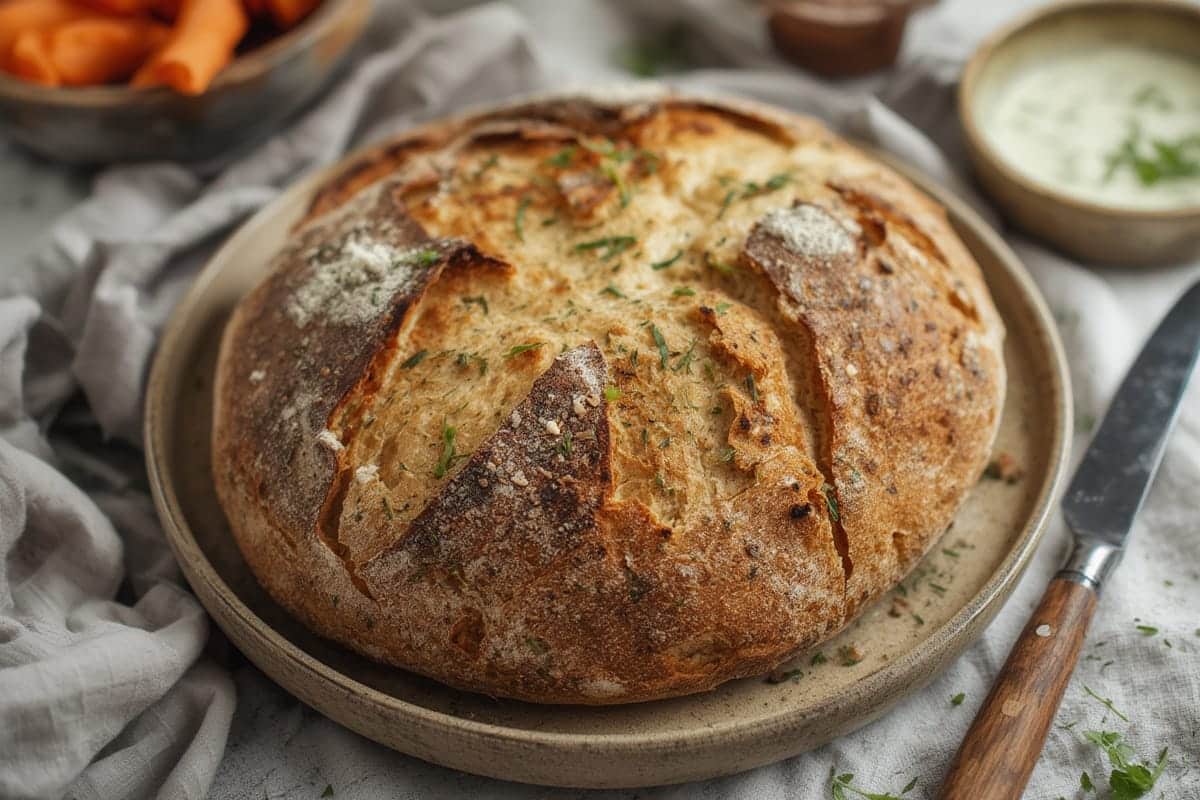
If there’s one aroma that never fails to take me home, it’s the scent of sourdough bread fresh from the oven. Growing up in Georgia, my grandma used to bake bread every Saturday morning. She didn’t follow exact measurements—just a pinch of this and a stir of that—but her sourdough had that perfect tang, a chewy crust, and crumb so flavorful it didn’t need butter (though we slathered it on anyway). When I moved to Austin and started experimenting with my own sourdough bread recipes, I wanted to recapture that magic. It took plenty of trial and error, but I finally found that sourdough is less about perfection and more about patience and rhythm—like jazz in the kitchen.
In this guide, we’re going to dive into foolproof sourdough bread recipes that are approachable for beginners but adaptable enough for seasoned bakers. I’ll walk you through the process step by step, highlighting must-have tools like one of my favorites, the dough scraper and bowl set, and sharing personal insights you won’t find on the back of a flour bag. We’ll also address common mistakes, highlight whole wheat options, and explore variations that’ll have your kitchen smelling like a bakery in no time.
The Heart Behind Homemade Sourdough
Why Sourdough Is More Than Just Bread
Sourdough’s appeal isn’t just in its taste—though nothing rivals the tangy balance of a well-fed starter and slow fermentation. It’s also in the ritual. Whether you’re reviving a starter you forgot in the back of the fridge or baking weekly loaves for your family, sourdough is about slowing down and savoring simple ingredients. Unlike store-bought bread, sourdough isn’t rushed. That means no chemical leaveners—just flour, water, time, and natural yeast.
There’s also something comforting in its versatility. I’ve folded roasted garlic into mine, added cinnamon and raisins for breakfast loaves (which pairs beautifully with this cinnamon raisin bread), and even used leftover sourdough to make stuffing, like in this flavorful sourdough stuffing. One dough becomes so many meals—and memories.
Sourdough Bread Recipes You’ll Actually Want to Make
Don’t be intimidated by the lore of sourdough. You don’t need 15 years of baking experience or a bakery-sized oven. These sourdough bread recipes are beginner-friendly, requiring only a well-fed starter and a bit of independence from your kitchen timer. With just a Dutch oven or a good cast iron pot (like this cast iron combo cooker), you’ll create bakery-level crust with ease.
I’ll also cover variants like cinnamon swirls, focaccia-like bakes (see this focaccia bread), and even hearty whole wheat options. These recipes aren’t locked into tradition—they’re alive with flavor and personality, just like your starter.
Starter to Slice: From Ingredients to Oven
Ingredients List: What You Really Need
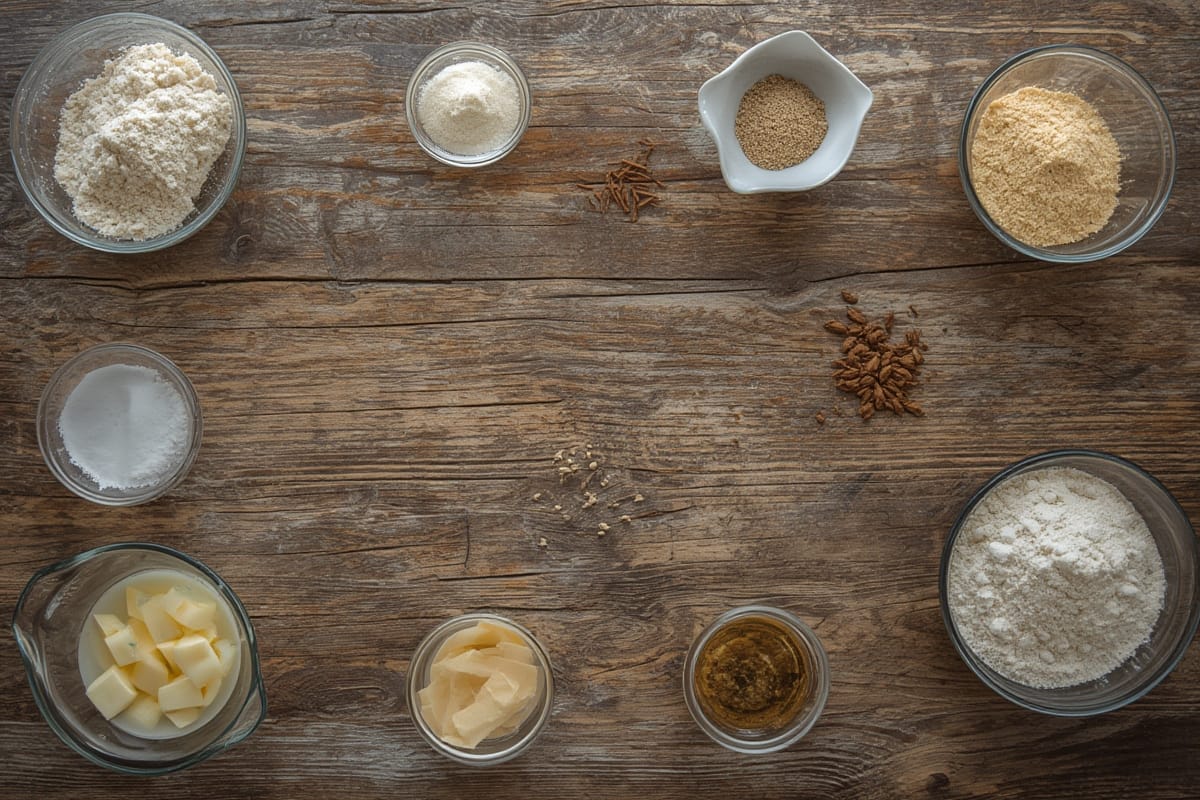
Let’s start with the basics. Here’s what you’ll need for a standard sourdough loaf:
| Ingredient | Details |
|---|---|
| Bread Flour | 3 ¾ cups (high protein flour for structure) |
| Water | 1 ½ cups lukewarm (filtered preferred) |
| Active Sourdough Starter | ½ cup, bubbly and fed |
| Salt | 1 ½ teaspoons |
Optional Add-ins: chopped olives, sundried tomatoes, rosemary, or flaxseeds for texture. You can even swap some flour for whole wheat, like in the soft cinnamon apple bread to add a heartier flavor.
Timing: Patience Bakes Perfection
This isn’t an instant loaf—but it’s worth it. Baking sourdough can take 24 hours from start to finish, but most of that is hands-off.
- Mixing Time: 20 minutes
- Bulk Fermentation: 4–5 hours
- Cold Proof: 12–14 hours in the fridge
- Baking Time: 45 minutes
- Total Time: About 21–24 hours
Compare that to fast-rise yeasted bread, and yes—it’s longer. But the flavor you build over those hours? Incomparable.
Step-by-Step Sourdough Bread Recipe
- In a large bowl, combine starter and water. Stir until the starter dissolves.
- Add flour and mix with your hands or sturdy bench scraper until no dry bits remain. Rest for 30 minutes (autolyse).
- Sprinkle the salt over the dough and incorporate by folding. Rest 30 minutes.
- Over the next 3 hours, perform four sets of stretch and folds every 30 minutes.
- Cover with a damp towel and let rise 1-2 more hours until soft and jiggly.
- Transfer dough to a floured surface. Gently shape into a round. Place it into a banneton or bowl lined with cloth and flour.
- Cold-proof in the refrigerator overnight (12–14 hours).
- Preheat your oven to 475°F with your Dutch oven inside. Score the dough with a lame or sharp knife.
- Carefully place the dough into the hot Dutch oven. Cover and bake for 25 minutes, then remove the lid and bake for another 20 minutes until golden-brown.
- Let cool on a wire rack for at least an hour before slicing.
Pro tip? I keep this cooling rack with bread slicer guide nearby for even, picture-perfect slices.
Elevating Your Sourdough Game
Simple Variations for Breakfast, Dinner, and More
Once you’ve mastered the base loaf, the variations are endless. Add cinnamon and a swirl of brown sugar before baking, and you get something close to this cinnamon swirl bread. For savory bakes, fold in chopped roasted garlic or brushed herb oil like in this garlic bread.
Need a dinner companion? Add rosemary and olive oil for a rustic table loaf. Looking for something soft and fluffy? Adapt the dough slightly and shape into soft dinner rolls.
Add tools like a banneton proofing basket set to control your crumb structure or get bold with flavored seeds and grains using this bread scoring & stencil kit.
Whole Wheat Options for a Healthier Bite
Want to boost nutrition while retaining that signature chew? Replace up to 50% of the bread flour with stone-ground whole wheat. It adds earthy depth and fiber.
For a 100% whole wheat sourdough, you’ll need:
- Whole wheat flour (3 ¾ cups)
- Vital wheat gluten (1 tablespoon for strength)
- Hydration around 85% to keep it moist
Studies by the National Institutes of Health even suggest that fermented breads like sourdough can help reduce glycemic impact compared to commercial white breads.
Whole wheat sourdough pairs beautifully with soups, roasted vegetables, or just a drizzle of honey and tahini for breakfast.
Troubleshooting, Tips, and FAQs
Common Sourdough Mistakes (And How to Fix Them)
If your sourdough bread isn’t rising, don’t panic. Common issues include:
- Weak starter: Ensure it’s doubling within 4-6 hours of feeding. Consider feeding it with high protein flour like this.
- Cold dough: Let it fully warm up before baking after a fridge proof.
- Under-proofing: If it springs too much in the oven and splits weirdly, it may need more rise time.
- Over-proofing: If your loaf flattens and won’t hold shape, scale back proofing next time.
Texture off? A folding tool like this dough scraper kit can help knead without burning out your arms while preserving the dough’s integrity.
From Zero to Starter: Getting It Going
To start your own sourdough starter at home, combine ½ cup of whole wheat flour and ½ cup of filtered water in a large jar. Stir, cover loosely, and leave at room temp. Feed it with the same ratio daily. By day 5-7, bubbles and tangy aroma signal readiness. Keep feeding, and within a week, you’ll be baking real loaves from scratch.
Need protein-packed bread that fits a specialized diet? Try exploring alternatives like this zero carb yogurt bread on days when gluten takes a back seat.
FAQ
How do you start a sourdough starter at home?
Combine whole wheat flour and filtered water in equal parts, stir well, and rest it at room temperature. Feed it daily with equal parts flour and water. After about 5–7 days of consistent feeding, your starter should be bubbly and ready for baking.
What are simple sourdough bread recipes for beginners?
This article’s core recipe uses just flour, water, starter, and salt. Stretch-and-fold methods instead of kneading make it beginner-friendly without special equipment, though a Dutch oven helps a crisp crust.
Why is my sourdough bread not rising?
Check your starter activity, ensure bulk fermentation is complete, and verify your dough isn’t too cold when baking. Avoid over-proofing, which causes collapse instead of spring.
Can sourdough bread recipes be made with whole wheat flour?
Yes! You can substitute 25–50% of all-purpose flour with whole wheat or even go 100% with adjustments in hydration and structure using vital wheat gluten for elasticity.
Conclusion
Sourdough bread recipes aren’t just a trend—they’re a return to home, intention, and craft. Whether you’re drawn to the meditative rhythm of folding dough, the science of wild fermentation, or that first warm slice smeared with jam, there’s a joy here that’s hard to match. We’ve covered how to make it from scratch, how to shape flavor-forward twists, and why it’s worth the wait.
So dust off your flour jar and give it a go. Start simple, experiment bold, and trust that in every loaf, you bake a little bit of story.
PrintSimple Homemade Sourdough Bread
- Total Time: 22 hours
- Yield: 1 loaf 1x
Description
A beginner-friendly sourdough recipe with crisp crust, chewy interior, and rich flavor using only flour, water, salt, and starter.
Ingredients
3 ¾ cups bread flour
1 ½ cups lukewarm water
½ cup active sourdough starter
1 ½ teaspoons salt
Instructions
Stir starter into water until dissolved.
Add flour and mix until smooth. Rest 30 minutes.
Add salt. Mix gently and rest 30 minutes.
Perform four stretch-and-fold sets at 30-minute intervals.
Let bulk ferment another 1-2 hours until puffy.
Shape dough on floured surface and place in proofing basket.
Cold-proof in refrigerator for 12–14 hours.
Preheat oven to 475°F with Dutch oven inside.
Score dough and place in hot Dutch oven.
Bake covered 25 minutes, then uncovered 20 minutes.
Cool completely before slicing.
Notes
Starter must be active and bubbly before use.
For bolder flavor, extend cold-proof to 24 hours.
Use a cast iron Dutch oven for optimal crust.
- Prep Time: 6 hours
- Cook Time: 45 minutes
- Category: Bread
- Method: Baked
- Cuisine: American
Nutrition
- Calories: 150 per slice
- Fat: 0.5g
- Carbohydrates: 32g
- Fiber: 2g
- Protein: 5g
- Cholesterol: 0mg
Keywords: sourdough bread recipes, homemade sourdough, starter bread, easy sourdough loaf