
Disclosure: This post may contain affiliate links. As an Amazon Associate, we earn from qualifying purchases—at no extra cost to you.
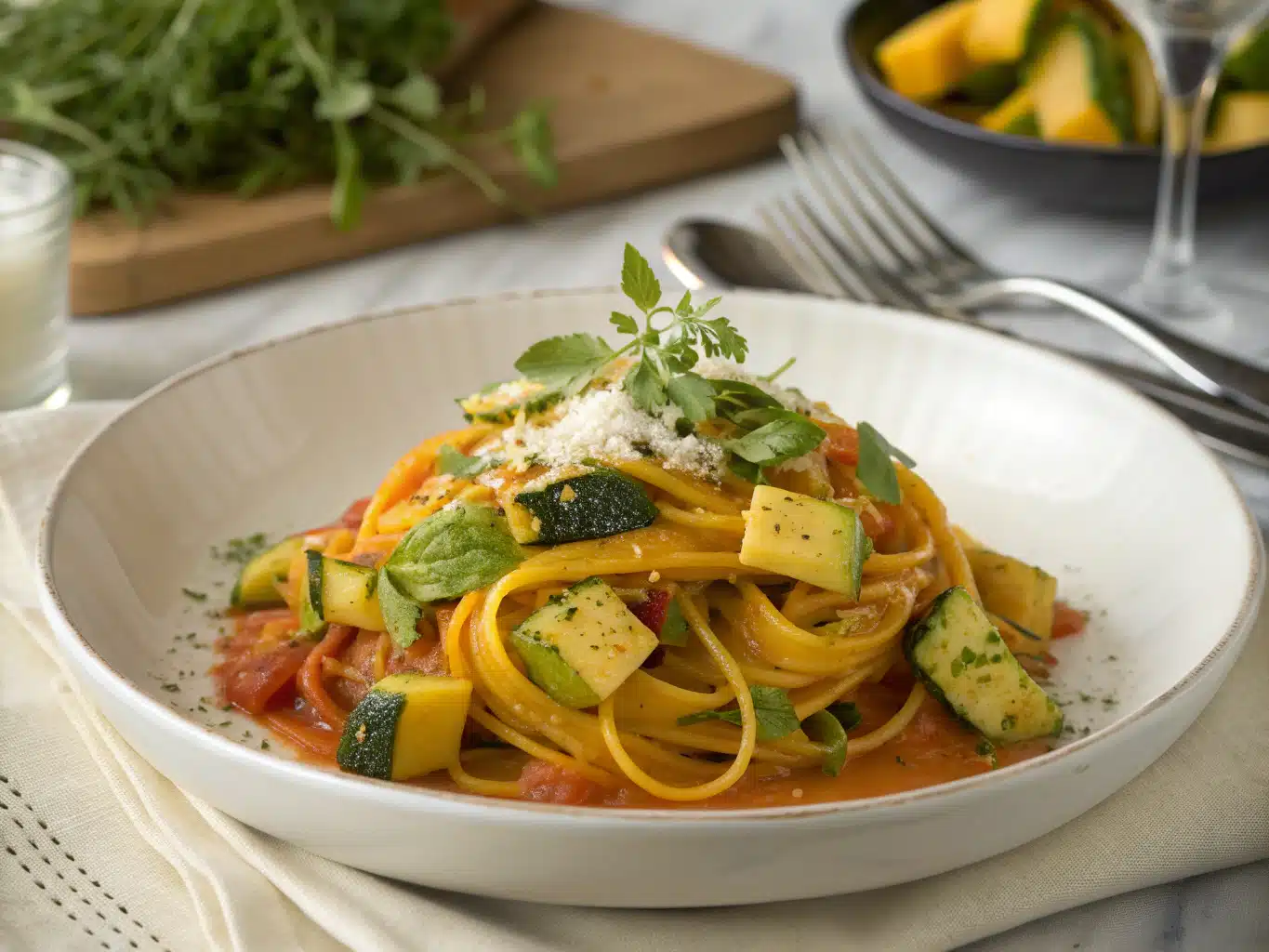
Table of Contents
There’s something deeply satisfying about the way squash pasta wraps around a fork—its velvety, golden sauce hugging every noodle like a warm Southern hug. For me, squash pasta isn’t just a cozy dinner. It’s a full-circle moment. I first fell for squash when I was ten, watching my Aunt Lillian roast butternut squash with brown sugar and cinnamon on Sunday afternoons. The smell alone felt like comfort. These days, I take that childhood memory and elevate it with a modern twist. Whether I’m layering roasted delicata into linguine, or blending silky butternut into a dreamy sauce, squash pasta has become one of my favorite ways to turn simple ingredients into something worth remembering.
In this article, we’ll dive into the delicious world of squash pasta—from its comforting storybook beginnings to practical how-to’s and flavor-packed variations. You’ll also learn what makes squash an excellent pasta companion, get secrets to keeping it from turning watery, and explore creative ways to make this dish something truly special.
Why Squash Pasta Works So Wonderfully
Nature’s Cream Sauce in a Gourd
The magic of squash pasta lies in the natural richness of the squash itself. Butternut, acorn, spaghetti, and even delicata squash each bring a unique sweetness and silky texture that mimics classic cream-based sauces—without the dairy. When roasted, squash caramelizes beautifully, offering depth and warmth to any pasta dish. The subtle nuttiness pairs like a dream with sage, thyme, garlic, and freshly cracked pepper.
Unlike tomato-based sauces that can sometimes overpower, squash keeps things balanced. It lets ingredients like toasted walnuts shine. That versatility makes it ideal for home cooks looking to add layered flavor without a complex recipe. In fact, similar to how mushroom pasta recipes lean into umami, squash pasta leans into earthiness with just as much charm.
Rooted in Tradition, Reimagined With Flair
Growing up in Georgia, squash was always on the table—whether candied, mashed or tucked into casseroles. But it wasn’t until I started testing recipes in my Austin kitchen that I realized how easily squash could slide into pasta dishes. I found that blending roasted squash with broth and sautéed onions made a sauce so lusciously smooth, it needed no cream. If you’ve made anything from my spinach pasta recipes, you know I love sneaking in nutrition without compromising flavor.
Today’s squash pasta doesn’t just look good—it performs. It delivers taste and texture in equal measure, all while being hearty, satisfying, and refreshingly wholesome. When blended, squash makes an ideal base for modern comfort food. When spiralized (like spaghetti squash), it becomes a brilliant low-carb substitute that doesn’t skimp on taste.
Ingredients & Timing for The Best Squash Pasta
Ingredients List
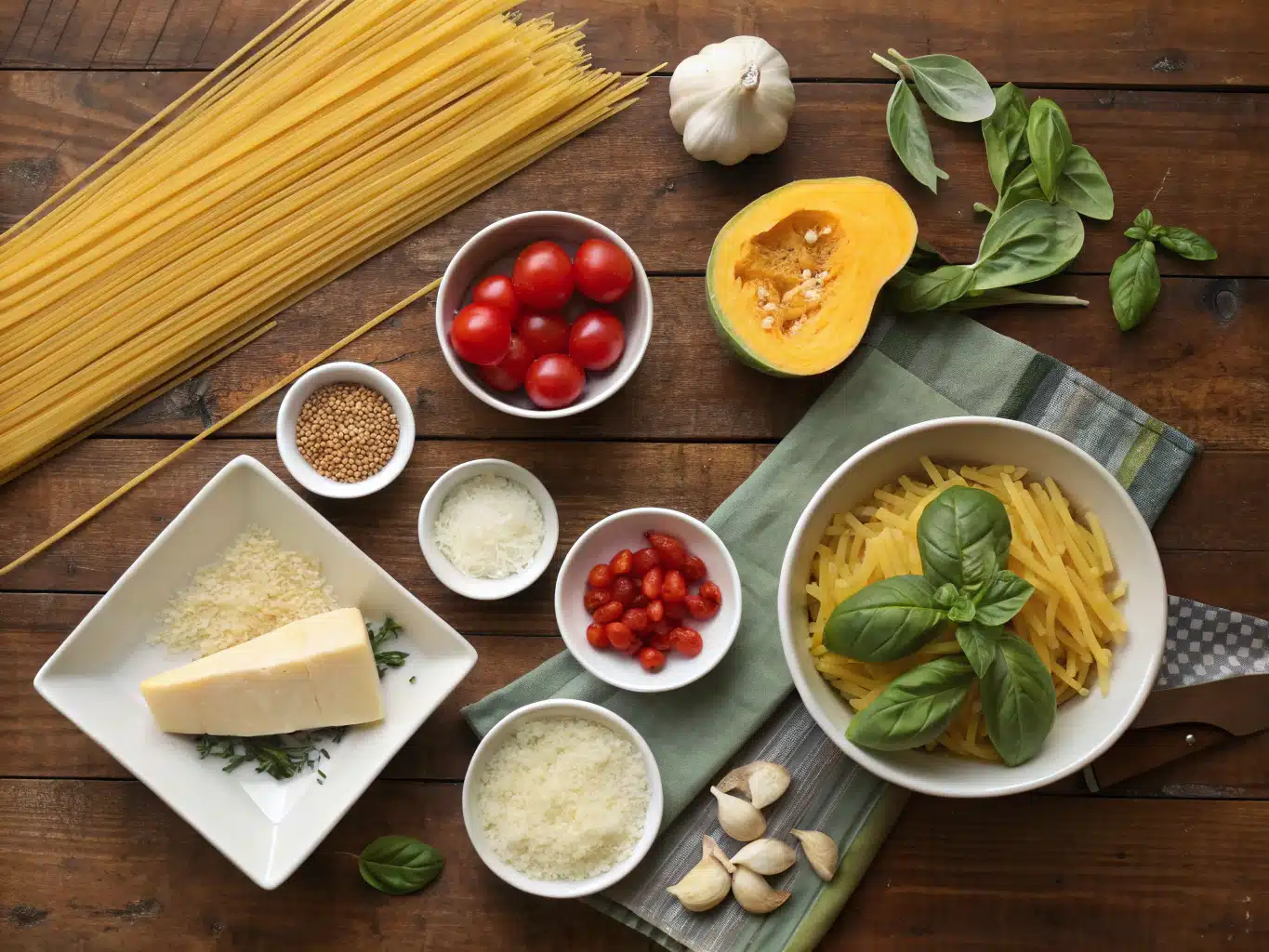
Whether you’re working with classic butternut or stringy spaghetti squash, this dish is about layering cozy flavors. You can adjust spice levels or add proteins to match your vibe.
- 1 medium butternut squash (about 2 lbs), peeled and cubed
- 2 cloves garlic, minced
- 1 small yellow onion, chopped
- 2 tbsp olive oil
- 1 cup low-sodium vegetable broth (or chicken broth)
- 1/2 cup grated Parmesan cheese (or nutritional yeast for dairy-free)
- 1/4 tsp nutmeg
- Kosher salt and black pepper to taste
- 8 oz fettuccine or linguine (or spiralized squash noodles for gluten-free option)
- Optional add-ins: sage, red pepper flakes, toasted pine nuts
Substitution ideas: Swap in acorn squash for a deeper, nuttier flavor or try using coconut cream for a dairy-free silky finish. For protein add-ins, cooked ground turkey complements squash beautifully.
Timing
This squash pasta recipe is surprisingly quick to bring together considering its impressive results.
| Cooking Stage | Estimated Time |
|---|---|
| Roasting Squash | 30 minutes |
| Sautéing Aromatics | 10 minutes |
| Boiling Pasta | 10 minutes |
| Blending Sauce & Tossing | 10 minutes |
| Total Time | ~60 minutes |
That’s actually around 20% less prep time compared to your typical creamy Alfredo.
Step-by-Step Instructions
- Preheat oven to 400°F. Spread cubed squash on a baking sheet, drizzle with olive oil, and season with salt and pepper. Roast for 30 minutes until tender and caramelized.
- While squash roasts, sauté chopped onion and garlic in olive oil over medium heat until soft and fragrant—about 8 minutes.
Cook pasta according to package directions. For gluten-free options, check out these gluten-free pasta recipes to match your preferences.
- Transfer roasted squash to a blender along with sautéed aromatics, broth, Parmesan, and nutmeg. Blend until smooth and creamy. Taste and adjust salt and pepper.
- Toss cooked pasta with the sauce in a large skillet over low heat. Stir until fully coated. Add splashes of pasta water to loosen the sauce if needed.
- Finish with extra Parmesan or a drizzle of browned butter if you’re feeling fancy. Or go simple with cracked pepper and fresh thyme.
Elevating Your Squash Pasta
Herbs, Proteins & Unexpected Twists
Your squash base is versatile, so why stop at basic? Top the pasta with roast chickpeas for crunch. Bump the flavor with sage browned in butter. Feeling spicy? Add a swirl of harissa or chipotle aioli. I once mixed in dollops of fresh pesto—and that fusion was good enough to rival my go-to pesto pasta recipes.
And of course, squash loves nutty cheeses like aged gouda or pecorino. Even adding maple-glazed walnuts or roasted cranberries can dial this into holiday territory. If you’ve ever enjoyed hearty holiday stuffed squash, you already know how rich squash flavors can stretch into multiple directions.
Creative Variations & Storage Tips
Spaghetti Squash and Other Low-Carb Takes
Spaghetti squash isn’t just clever—it’s magic. When roasted, the flesh separates into noodle-like strands. That makes it a brilliant alternative for folks watching carbs or gluten. It doesn’t taste exactly like traditional pasta, but it carries sauce beautifully and retains a slight crunch.
To cook, slice the squash lengthwise, roast it cut side down at 400°F for 35–40 minutes, then rake out the threads with a fork. Serve with the same sauce from earlier, or even a savory tomato blend—see spaghetti recipes for bold pairing options.
Tuscan-style spaghetti squash with sun-dried tomatoes and olives offers a Mediterranean feel. Or embrace Southern flair by adding spicy sausage and okra to your squash strands. You won’t miss the noodles.
How to Store and Reheat Squash Pasta
Not only does squash pasta reheat well—it gets better with time. The sauce thickens slightly in the fridge, letting flavors deepen and mellow like a good stew.
To store, cool fully and refrigerate in an airtight container for up to 4 days. For freezing, pack sauce and pasta separately. Reheat in a nonstick skillet with a splash of broth or cream to return it to silky glory.
Leftover sauce also doubles as a base for risotto or soup. Add it to lasagna layers for a unique autumnal twist or even spoon it over roasted chicken. You’ll find endless uses, just like leftover mac can be elevated with a jazzed-up cheese blend in this mushroom mac fusion.
Frequently Asked Questions
How do you keep squash pasta from being watery?
Roast the squash instead of steaming or boiling, and let it cool slightly before blending. Drain any excess liquid and use less broth when puréeing.
Is squash good in pasta?
Absolutely. Squash brings sweetness, depth, and a naturally smooth texture that feels indulgent but nutritious. It pairs well with cheeses, spices, and herbs.
Is squash healthier than pasta?
Yes, squash (particularly spaghetti squash) is lower in carbs and calories. It’s also high in fiber, vitamins A and C, and makes a fantastic plant-based alternative.
Does squash spaghetti taste like pasta?
Not exactly. It’s slightly sweeter and more textured but acts as a satisfying vessel for sauces—and shines when paired with bold or creamy toppings.
Conclusion
Squash pasta has a way of turning humble ingredients into something nourishing, satisfying, and even elegant. Whether you’re leaning into the creamy comfort of butternut or exploring the creative side of spaghetti squash, this dish delivers seasonal flavor and heartwarming memories. Packed with nutrients but rich enough to feel indulgent, it’s the kind of weeknight wonder I go back to again and again. It can be reinvented endlessly—just like all the best recipes in a chef’s life. So grab a squash, fire up the oven, and let your kitchen fill with the kind of aroma that feels like home.
Print
Creamy Squash Pasta That Brings Fall Comfort to Your Table
- Total Time: 60 minutes
- Yield: 4 servings 1x
- Diet: Vegetarian
Description
Velvety, golden squash pasta sauce hugs every noodle in this comforting yet modern dish that transforms simple ingredients into a cozy, nutritious dinner.
Ingredients
1 medium butternut squash (about 2 lbs), peeled and cubed
2 cloves garlic, minced
1 small yellow onion, chopped
2 tbsp olive oil
1 cup low-sodium vegetable broth (or chicken broth)
1/2 cup grated Parmesan cheese (or nutritional yeast for dairy-free)
1/4 tsp nutmeg
Kosher salt and black pepper to taste
8 oz fettuccine or linguine (or spiralized squash noodles for gluten-free option)
Optional: sage, red pepper flakes, toasted pine nuts
Substitutions: acorn squash, coconut cream, ground turkey
Instructions
1. Preheat oven to 400°F. Spread cubed squash on a baking sheet, drizzle with olive oil, and season with salt and pepper. Roast for 30 minutes until tender and caramelized.
2. While squash roasts, sauté chopped onion and garlic in olive oil over medium heat until soft and fragrant—about 8 minutes.
3. Cook pasta according to package directions.
4. Transfer roasted squash to a blender with sautéed aromatics, broth, Parmesan, and nutmeg. Blend until smooth and creamy. Adjust salt and pepper to taste.
5. Toss cooked pasta with the sauce in a skillet over low heat. Stir to coat, add pasta water as needed to loosen.
6. Finish with Parmesan, browned butter, or fresh herbs as desired.
Notes
Add sage butter, or maple-glazed walnuts for extra flair.
Pair with a crisp white wine like Viognier or unoaked Chardonnay.
To store, refrigerate for up to 4 days. Freeze sauce and pasta separately for best texture.
Reheat gently with a splash of broth or cream.
Spaghetti squash makes an excellent low-carb version—roast and rake out strands before tossing with sauce.
- Prep Time: 10 minutes
- Cook Time: 50 minutes
- Category: Dinner
- Method: Roasting, Blending
- Cuisine: American
Nutrition
- Serving Size: 1 bowl
- Calories: 420
- Sugar: 6g
- Sodium: 360mg
- Fat: 16g
- Saturated Fat: 5g
- Unsaturated Fat: 9g
- Trans Fat: 0g
- Carbohydrates: 58g
- Fiber: 8g
- Protein: 13g
- Cholesterol: 15mg
Keywords: squash pasta, butternut pasta, vegetarian, cozy dinner, fall recipe